
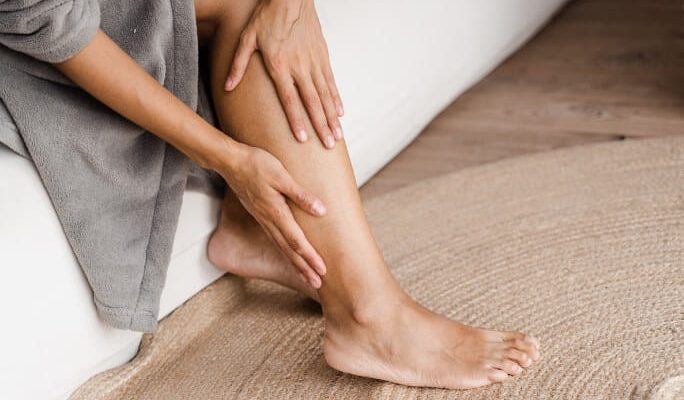
Have you ever woken up feeling unusually heavy, noticed your rings won’t slide off your fingers, or found that your favorite shoes suddenly feel incredibly tight? You are likely experiencing fluid retention.
Fluid retention, medically known as edema, is a highly common health issue with a wide variety of causes. In many cases, it is a temporary, harmless nuisance that causes bloating and mild discomfort. However, in other cases, chronic swelling can be the body’s first warning sign of an underlying medical condition.
If you are dealing with swollen legs, a puffy abdomen, or heavy feet, it is time to understand what is happening inside your body. In this comprehensive guide by the Folime health team, we will explore the hidden causes of fluid retention, how to identify it, and the most effective, natural ways to flush out excess water and regain your comfort.
What is Water Retention (Edema)?
The human body is a miraculous machine made up of 50% to 60% water. Normally, your body regulates this fluid level perfectly, balancing the water inside and outside of your cells.
Fluid retention occurs when this delicate balancing system fails. Instead of being flushed out through your kidneys and urine, excess fluid becomes trapped in your body’s tissues, specifically in the interstitial spaces (the tiny spaces between your cells). While it can happen anywhere, gravity usually pulls this trapped fluid downward, making edema most common in the ankles, calves, and feet. However, it is also frequently seen in the abdomen, hands, and eyelids.
How to Know if You Have It: The Main Symptoms
Because weight can fluctuate daily, it can be hard to tell if you have gained fat or are simply retaining water. Here are the tell-tale signs that your body is holding onto excess fluid:
- The «Pitting Edema» Test: This is the most classic sign. Press your thumb firmly against your swollen calf or ankle for a few seconds. If you release your finger and a visible indentation or «pit» remains on your skin for several seconds, you have fluid retention.
- A Feeling of Heaviness: Your legs and arms feel tired, stiff, and unusually heavy.
- Sudden Weight Fluctuations: Gaining 1 to 2 kilos (2 to 4 pounds) seemingly overnight.
- Tight Clothing and Jewelry: Your socks leave deep marks on your ankles, and your rings feel stuck.
- Decreased Urination: You are drinking normal amounts of liquid but going to the bathroom much less frequently.
- Stiff Joints: A sensation of tightness and reduced mobility, especially in the ankles and fingers.
- Skin Changes: The skin over the swollen area may look stretched, shiny, or unusually firm.
The Hidden Causes: Why is Your Body Retaining Water?
Fluid retention doesn’t just happen for one reason. It is usually the result of lifestyle habits, hormonal shifts, or specific medical conditions.
1. Lifestyle and Diet Causes
- Excess Sodium (Salt): This is the number one culprit. If you eat a diet high in processed foods, your body holds onto massive amounts of water to dilute the excess salt in your bloodstream.
- Sedentary Habits: Sitting at a desk or standing in one place for many hours stops your leg muscles from contracting. Muscle contractions are required to pump blood and lymphatic fluid back up to your heart.
- Nutritional Deficiencies: A lack of essential minerals, specifically magnesium, potassium, and vitamin B6, can severely disrupt your body’s fluid balance.
- Tight Clothing: Wearing overly tight jeans or restrictive socks can physically block the normal circulation of fluids in your lower body.
2. Hormonal Changes
Fluid retention is significantly more common in women due to natural hormonal fluctuations. High levels of estrogen and progesterone during the menstrual cycle, pregnancy, and menopause directly signal the kidneys to retain more water.
3. Medical Conditions (When to see a doctor)
If your edema is chronic, painful, or accompanied by shortness of breath, you must consult a doctor. It could indicate:
- Heart Failure: The heart is too weak to pump blood effectively, causing fluid to back up into the legs and lungs.
- Kidney Disease: The kidneys lose their ability to filter and eliminate excess fluids and sodium from the blood.
- Liver Disease: Conditions like cirrhosis lower the proteins in your blood, causing fluid to leak into the abdominal cavity (ascites).
- Thyroid Issues: Severe hypothyroidism can cause a specific type of widespread swelling.
- Venous Insufficiency: The valves in the veins of your legs are damaged and cannot push blood back upward.
How to Fight Water Retention: The Best Natural Diuretics
If your doctor has ruled out serious medical conditions, the absolute best way to combat daily fluid retention is through your diet. Incorporating natural diuretics (foods that make you urinate more) helps flush out trapped sodium and water.
Add these anti-bloating superfoods to your grocery list:
- Parsley: A powerful, scientifically proven natural diuretic. Add fresh parsley to your salads and soups.
- Asparagus: Contains an amino acid called asparagine, which is famous for helping the body clear out excess fluid and salt.
- Celery: Composed of 95% water and high in potassium, it stimulates urine production.
- Watermelon and Melon: High in water and electrolytes, helping to flush the system while keeping you hydrated.
- Cucumber: Extremely hydrating and contains compounds that help reduce inflammation and swelling.
- Pineapple: Rich in an enzyme called bromelain, which facilitates digestion and actively reduces tissue swelling.
- Artichokes and Leeks: Both have excellent detoxifying properties that support liver and kidney function.
Home Remedies and Lifestyle Changes
In addition to changing your diet, adopt these simple daily habits to drain excess fluid quickly:
1. Drink MORE Water (Yes, really!)
It sounds completely contradictory, but when you are dehydrated, your body panics and holds onto every drop of water it can find. Drinking at least 1.5 to 2 liters of pure water a day flushes out excess sodium and restores your body’s natural water balance.
2. Embrace Herbal Teas
Swap your sugary sodas for herbal infusions. Dandelion root, horsetail (Cavalinha), elderberry, and birch leaf teas are excellent, gentle natural diuretics. Additionally, Yerba Mate tea is fantastic for stimulating fluid elimination.
3. Elevate Your Legs
Gravity is your enemy when it comes to edema. At the end of the day, lie on your back and prop your legs up on a stack of pillows so they are above the level of your heart. Do this for 20 minutes to instantly drain fluid from your ankles.
4. Try Lymphatic Drainage Massage
If you suffer from chronic heaviness, book a session with a physiotherapist for a lymphatic drainage massage. This gentle, highly specific massage technique physically pushes trapped fluid out of the tissues and back toward the lymph nodes, drastically reducing swelling.
💡 A Health Tip from the Folime Team:
If lifestyle changes do not reduce your swelling, or if you notice that the swelling is only occurring in one leg (which can be a sign of a dangerous blood clot), do not try to fix it at home. Make an appointment with a general practitioner or a cardiologist immediately. Depending on the root cause, a doctor may prescribe a specialized medical diuretic (like furosemide) to safely pull the dangerous fluid out of your system.
Disclaimer: The information provided in this article by Folime is for educational and informative purposes only and should not replace professional medical advice, diagnosis, or treatment. Always consult with a certified healthcare provider before taking new supplements, drastically changing your diet, or if you experience sudden, severe swelling.
latest posts published
Footwear Biomechanics: Why ‘Barefoot’ Shoes Are Dominating Modern Streetwear

The Vintage Revival: How to Source and Authenticate High-End Secondhand Fashion
Proportion Play: The Geometric Rules of Styling Oversized Garments Correctly
The Science of Fabric: Why Polyester is Damaging the Skin (And Healthier Alternatives)

Investment Pieces: The 5 Structural Garments Every Professional Wardrobe Requires

Decoding the Dress Code: A Modern Guide to ‘Smart Casual’ for the Hybrid Workplace
The Death of Fast Fashion: Why ‘Cost Per Wear’ is the Only Metric That Matters
Sustainable Fashion: How to Identify ‘Greenwashing’ When Purchasing Apparel
Dopamine Dressing: The Psychological Impact of Color on Daily Productivity