

While it might be a slight exaggeration to say that exercise is the magic cure for all of life’s ailments, science proves that practicing some type of physical activity is the closest thing we have to the fountain of youth.
If you are over 55 and have lived a mostly sedentary lifestyle up until now, the idea of stepping into a gym or going for a run can feel incredibly intimidating. You might be thinking: «My joints ache, I’m out of shape, and it’s simply too late for me to start.»
The team at Folime is here to tell you a fundamental truth: You are never too old to start moving. There is no need to aggressively strain your body or become a marathon runner overnight; even a simple, consistent daily walk can completely transform your health.
To help you safely take that first step toward a healthier, more vibrant life, we have put together these 5 essential facts and tips for exercising after 55.
1. Fact: It is NEVER Too Late (Exercise Helps You Live Longer)
Several major medical studies have proven that people who exercise regularly significantly lower their risk of developing chronic age-related diseases, such as heart disease, type 2 diabetes, stroke, and certain types of cancer. Furthermore, physical activity is a powerful tool for the brain. It improves sleep quality, boosts daily energy levels, and actively reduces the risk of clinical depression, dementia, and Alzheimer’s disease.
As the British National Health Service (NHS) famously stated: «Exercise is the miracle cure we have always had at our disposal, yet, for a long time, we have forgotten to take the recommended dose.»
If you think you have neglected this «daily dose» for too long, science has great news for you. A fascinating study published in 2019 concluded that people who only started exercising in their 50s and 60s can become just as athletic and healthy as those who have been active their entire lives.
«More and more people are starting to run or exercise in their 40s, 50s, and 60s. Age is not a barrier,» says running coach Jo Wilkinson. «Maybe you won’t break the world records you could have achieved at twenty, but you can certainly drastically improve your cardiovascular condition.»
2. Tip: Focus on Moderate and Frequent Movement
What exactly counts as «exercise»? You do not need to lift heavy weights to see benefits. Any activity that slightly increases your heart rate and breathing rate—known as moderate-intensity activity—will have a profound effect on your health. This could be brisk walking, swimming, gardening, or cycling.
The «Talk Test»: How do you know if you are at a moderate intensity? At this level of effort, you should feel your heart pumping, but you should still be able to maintain a conversation with a friend without gasping for air.
Health experts recommend that adults over 55 aim for at least 150 minutes of moderate physical activity per week. That breaks down to just 30 minutes a day, five days a week.
If you eventually want to transition from walking to jogging, do it gradually. «Every runner needs to evolve little by little, but this is particularly important for mature runners over the age of 35,» advises Wilkinson. «If you have had a sedentary lifestyle, start with a pure walking program. As your condition improves, introduce very short bouts of jogging—just one to two minutes—during your walk.» (Using beginner-friendly apps like «Couch to 5K» is a fantastic way to safely guide your progress).
3. Tip: Protect Your Bones with Light Strength Training
Cardio (like walking and swimming) is fantastic for your heart, but as we pass the age of 50, our bodies naturally begin to lose muscle mass (a condition called sarcopenia) and bone density (leading to osteoporosis).
To combat this, you must incorporate light strength training into your weekly routine at least twice a week. You do not need to become a bodybuilder. Simple exercises using resistance bands, lifting light dumbbells, or performing bodyweight exercises like modified squats and wall push-ups are enough to stimulate bone growth and keep your muscles strong enough to support your joints.
4. Tip: Prioritize Flexibility and Balance
One of the biggest risks as we age is the danger of falling. Improving your balance and flexibility is just as important as cardiovascular fitness.
When starting your new fitness journey, dedicate 10 minutes a day to gentle stretching. Activities like Yoga, Pilates, and Tai Chi are absolutely phenomenal for the 55+ demographic. They lubricate stiff joints, alleviate chronic lower back pain, improve your posture, and train your brain’s spatial awareness, significantly reducing the likelihood of dangerous trips and falls in your daily life.
5. Tip: Listen to Your Body and Prioritize Recovery
The enthusiasm of starting a new healthy habit is great, but older bodies require more time to recover from physical stress than younger bodies.
Every time you exercise, your muscles suffer microscopic tears that need time to rebuild stronger. If you wake up feeling a dull muscle ache, that is normal. However, if you feel a sharp, acute pain in a joint (like a knee or shoulder), stop immediately. Do not try to «push through the pain.»
Action Plan for Safety:
- Always dedicate 5 to 10 minutes to warming up before you start exercising.
- Drink plenty of water before, during, and after your activity.
- The Golden Rule: Before you begin any new exercise program, especially if you have existing health conditions or are taking prescription medications, schedule an appointment with your doctor or a physical therapist to get personalized medical clearance.
Frequently Asked Questions (FAQ)
What is the best exercise for someone with bad knees?
If you suffer from osteoarthritis or chronic knee pain, avoid high-impact activities like running or jumping. Instead, opt for low-impact, joint-friendly exercises like swimming, water aerobics, or riding a stationary bicycle. The buoyancy of water takes the pressure entirely off your joints while still providing an excellent workout.
I get out of breath just walking up the stairs. Where should I start?
Start exactly where you are! Do not compare yourself to others. If a 10-minute slow walk around the block is all you can manage right now, that is a perfect start. Do 10 minutes a day for a week, and try to increase it to 12 minutes the next week. Consistency is much more important than intensity.
Do I need expensive gear to start?
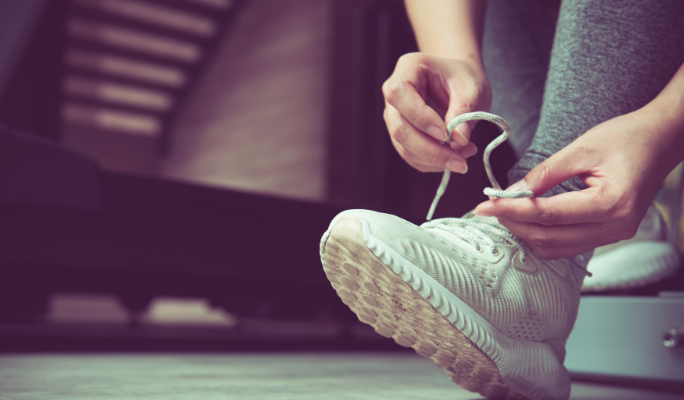
Absolutely not. You do not need a gym membership or fancy workout clothes. However, the one thing you should invest in is a high-quality, supportive pair of walking or running shoes to protect your feet, knees, and lower back from the impact of the pavement.
Disclaimer: The information provided in this article by Folime is for educational and motivational purposes only. It is not intended as a substitute for professional medical advice, diagnosis, or treatment. Always seek the advice of your physician before beginning any new diet or exercise regimen, especially if you are over 55 or have pre-existing health conditions.
latest posts published
Footwear Biomechanics: Why ‘Barefoot’ Shoes Are Dominating Modern Streetwear

The Vintage Revival: How to Source and Authenticate High-End Secondhand Fashion

Proportion Play: The Geometric Rules of Styling Oversized Garments Correctly
The Science of Fabric: Why Polyester is Damaging the Skin (And Healthier Alternatives)

Investment Pieces: The 5 Structural Garments Every Professional Wardrobe Requires

Decoding the Dress Code: A Modern Guide to ‘Smart Casual’ for the Hybrid Workplace

The Death of Fast Fashion: Why ‘Cost Per Wear’ is the Only Metric That Matters
Sustainable Fashion: How to Identify ‘Greenwashing’ When Purchasing Apparel

Dopamine Dressing: The Psychological Impact of Color on Daily Productivity