

1. All ready: the essential equipment
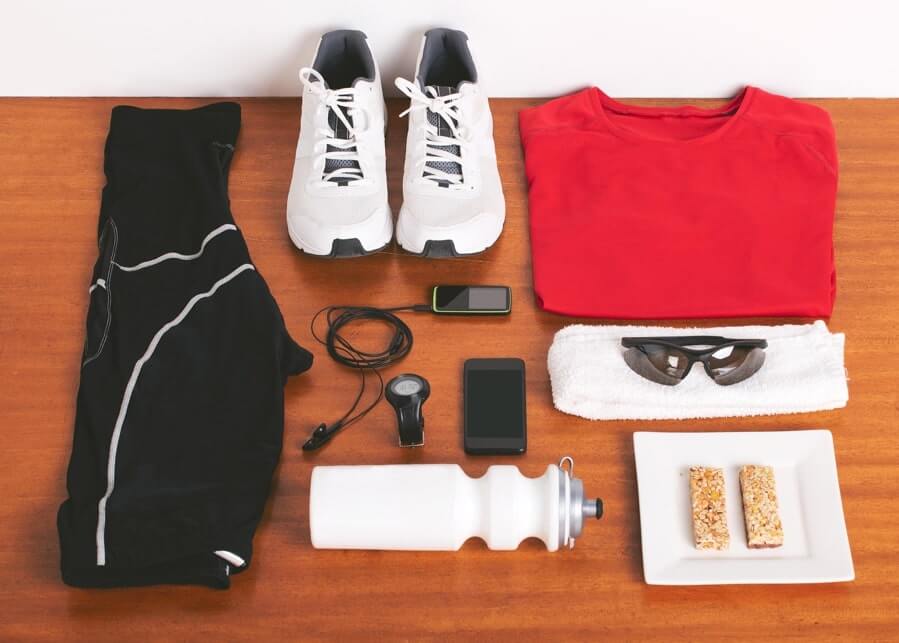
“Your basic equipment remains the same, even when you move from shorter distances to a marathon phase,” says Miguel Batista. «When you start to make progress in your training, I recommend you think about purchasing a hydration vest. This way you can carry some liquids with you to give you the energy you need for longer distances.»
OR footwear It’s an essential part of your gear, no matter how far or fast you run. In a good shop race You can have a gait analysis, where your running style is studied on a treadmill to ensure the fit and size is appropriate for your type of running. Try on shoes in the store because your feet will swell as you run, so you need to make sure the shoes have a gap in the front. Although it depends from runner to runner, it is advisable to change your shoes every 500-800 km or when you notice excessive wear.
AS socks They are also a fundamental investment, which should not be skimped on. Like shoes, they must have a size that does not constrict the foot and that allows the toes to move freely, even if swollen. Proper socks help prevent blisters and wick moisture away from your feet.
A clothing it must be comfortable, good quality and soft so as not to irritate the skin. If you run in times of poor visibility, it is essential that your clothing has reflective stripes.
2. Find the right routes and create running plans

For beginners, the distance of each training session should be proportional to the race distance you are aiming for. If you train 2 or 3 times a week, you should do one longer run and one or two shorter runs. As you improve your performance and fitness, you can modify one of your shorter workouts into a mixed run.
5 km race goal
If your initial goal is 5km, shorter routes should be 2-4km and you can combine running and walking, depending on your physical ability. The longest run should be 5-6 km and can also be a combination of both.
As you get stronger and more experienced, and when you want to improve your 5K time, you can extend the distance of your longest run up to 8-10K. This will increase your speed and strength in your 5K races.
10 km race goal
If the competition is 10km, the shortest midweek runs should be 5-6km, while the longest run should be 10km. As you improve and gain experience, you can increase the length up to 10-12 km or go up to 15 km. These longer runs will increase your endurance so you can run faster without losing stamina.
The half marathon as a race goal
If your goal is a half marathon, your weekly workouts can stay between 5 and 10 km, but progressively increase longer workouts up to the half marathon distance (21.1 km).
“As for the right course to train on, choose one similar to the one your competition will take place on,” advises Jo Wilkinson. «If the race is on the road, train mainly on this type of surface. However, you can vary your training and strengthen your legs by alternating road and paths, grass or paths. Obviously, if the race involves hills, make sure to include this type of difference in altitude in your weekly training, so there will be no surprises on race day.»
Introduction to mixed pace running
Mixed-pace or interval running involves running short distances at a faster-than-usual pace, with recovery periods. A typical interval for beginners might be 8 x 1 jogs with 1 recovery or 5 x 2 minute runs with 1 to 2 minutes of recovery. Recovery periods can be rest or easy walks.
Intervals help improve fitness because they increase your heart rate above normal and force your legs to move faster and your muscles to work harder. They’re a great way to improve your running. However, to do this, you need to be fit and strong. The more you run, the greater the stress and strain on your legs and muscles and if you don’t do adequate physical preparation you could suffer injuries.
3. Avoid injury: Warm up and cool down properly
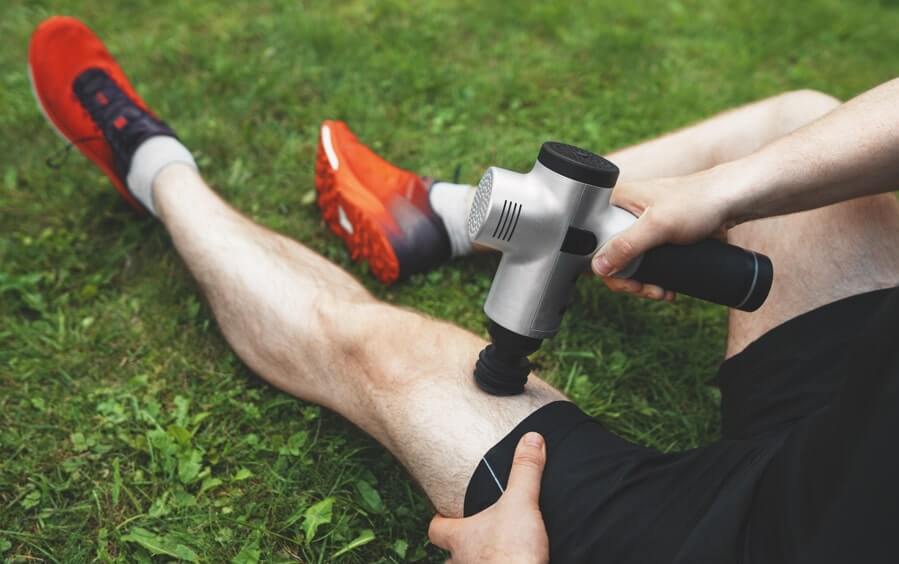 All runners should warm up with an exercise that increases the heart rate and works the aerobic system effectively. You can achieve this by jogging or walking at a brisk pace for 3-5 minutes (gradually increasing to 5-10 minutes).
“Include dynamic exercises to gently move your core muscles, such as arm circles, leg swings, walking on your toes and heels,” suggests Wilkinson. «Then move on to leg jumps and standing jumps, moving the instep slightly, rather than placing the whole foot firmly on the ground. This helps you develop good foot support and strengthens your feet and calves. I recommend finishing with some specific running exercises, such as knee raises and heel kicks.»
Avoid static stretches during your warm-up, as they can increase the risk of injury. Leave the stretches until you cool down. A stretching routine after you finish your run can help calm your muscles: Try holding each stretch for about 60 seconds.
4. Fuel to win: the right fuel for every distance

“Hydration is essential for performance and recovery at all levels of running, ensuring that muscles receive the nutrients they need to repair and rebuild,” recalls Jonny Mellor. «Get used to carrying a bottle of water with you and drinking it throughout the day. Over long distances, electrolytes help replace salts lost through sweating. Sports drinks are also a good idea before, during and after your run.»
Energy bars and recovery gels contain easy-to-digest carbohydrates, mainly sugars, which give you instant energy, however they should only be used when running for more than an hour (and you shouldn’t try a new product on race day).
If you’re running to try to lose weight, don’t fall into the trap of starving yourself or restricting calories. When you exercise intensely, you will find that eating too little will be counterproductive. You’ll notice a lack of energy and won’t recover as quickly between workouts. It also affects the immune system, which can create unnecessary and avoidable problems if you follow a proper diet.
latest posts published

Footwear Biomechanics: Why ‘Barefoot’ Shoes Are Dominating Modern Streetwear

The Vintage Revival: How to Source and Authenticate High-End Secondhand Fashion
Proportion Play: The Geometric Rules of Styling Oversized Garments Correctly

The Science of Fabric: Why Polyester is Damaging the Skin (And Healthier Alternatives)

Investment Pieces: The 5 Structural Garments Every Professional Wardrobe Requires

Decoding the Dress Code: A Modern Guide to ‘Smart Casual’ for the Hybrid Workplace

The Death of Fast Fashion: Why ‘Cost Per Wear’ is the Only Metric That Matters
Sustainable Fashion: How to Identify ‘Greenwashing’ When Purchasing Apparel

Dopamine Dressing: The Psychological Impact of Color on Daily Productivity