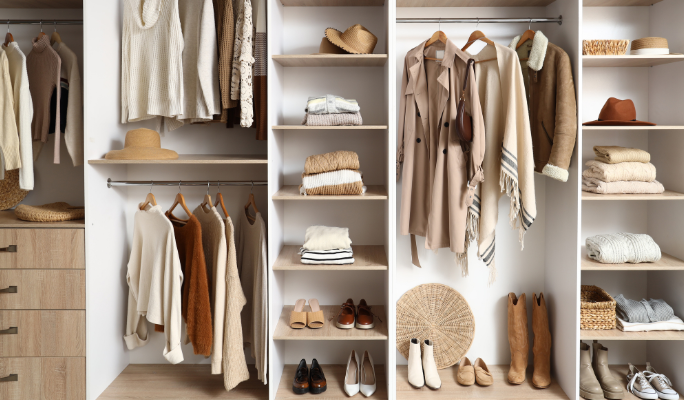
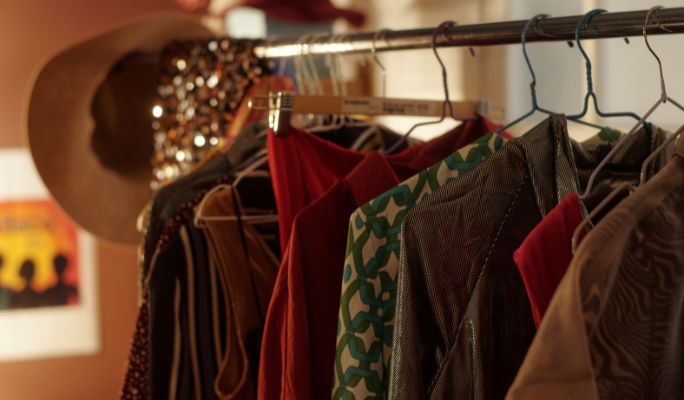
If you want to look into the future of fashion for 2025 and 2026, you don’t need to look at the massive fast-fashion factories. The future is already sitting in our closets.
A massive shift has occurred in the way stylish people consume clothing. The stigma surrounding «second-hand» clothing has been entirely obliterated. Today, Circular Fashion—the act of buying, selling, and upcycling pre-loved clothing—is the ultimate sign of a conscious, fashionable consumer.
Why buy a poorly made, mass-produced jacket for €100 when you can spend that exact same money on a perfectly preserved, 1990s Italian wool blazer that will last a lifetime?
Online thrifting and vintage shopping have exploded into a multi-billion dollar industry. But finding genuine designer pieces requires strategy. In this Folime style guide, we share our expert secrets on how to navigate the massive online resale market, avoid fakes, and score authentic designer vintage pieces for a fraction of their original price.
1. Choose the Right Resale Platform
Not all second-hand apps are created equal. You must choose the right platform based on what you are looking for:
- Vinted & Depop: These apps are the absolute kings of everyday fashion. They are perfect for finding high-street brands, mid-tier labels (like Zara, COS, or Levi’s), and hidden gems. Because everyday users upload items to clear out their closets, you can often negotiate prices heavily.
- Vestiaire Collective & The RealReal: If you are hunting for true luxury items—like a vintage Prada trench coat or a Gucci handbag—these are the platforms you must use. They employ teams of expert authenticators who physically inspect the luxury items before they are shipped to you, ensuring you never waste money on a counterfeit.
- eBay & Etsy: Excellent for highly specific, niche searches, such as «1980s band t-shirts» or «vintage Japanese silk scarves.»
2. Master the Search Filters (Be Hyper-Specific)
The biggest mistake online thrifters make is typing a generic term like «black dress» into the search bar. You will be instantly overwhelmed by 50,000 results, most of them low-quality fast fashion.
To find the gold, you must use hyper-specific keywords and strict filters:
- Filter by Material: Instead of searching for «sweater,» filter the search to only show items made of 100% Cashmere, Merino Wool, or Silk. You will instantly weed out cheap acrylic clothing and find premium vintage garments.
- Use Decade Keywords: If you want a structured, oversized blazer, search for «1990s blazer.» If you want high-waisted, thick denim, search for «1980s Levi’s 501.»
- Filter by Condition: Always check the «New with tags» or «Very Good» condition filters to ensure the piece isn’t heavily damaged.
3. Know Your Exact Measurements (Ignore the Tags!)
Vintage sizing is notoriously completely different from modern sizing. A «Size Medium» dress from 1995 will likely fit like an «Extra Small» today. Relying on the size tag is a guaranteed way to buy clothes that do not fit.
- The Pro Strategy: Take a measuring tape and measure a piece of clothing you currently own that fits you perfectly (measure the chest pit-to-pit, the waist, and the length).
- When you find an item you love online, do not buy it immediately. Message the seller and ask them to provide the exact measurements in centimeters. Compare those numbers to your own clothes. This completely eliminates the guesswork and the hassle of returns.
4. Learn to Spot Quality Vintage Brands
While everyone knows the massive luxury houses like Chanel or Dior, true thrifting experts hunt for «sleeper brands.» These are high-quality, mid-century brands that produced incredibly well-made garments but may no longer be famous today.
Keep an eye out for vintage items produced in countries with historic textile mastery. An item with a faded tag that reads «Made in Italy,» «Made in France,» or «Made in the USA» from the 1980s or 90s is almost always a guarantee of superior stitching and durable fabric, far outlasting anything made in modern fast-fashion factories.
5. Negotiate Like a Professional
The beauty of the circular economy is that the listed price is rarely the final price. On apps like Vinted or Depop, sellers just want to get rid of the items taking up space in their homes.
- The Strategy: If an item has been listed for more than three weeks, the seller is highly likely to accept a lower offer. Do not be insulting by offering €5 for a €50 item, but politely offering €35 or €40 will usually result in a quick accepted deal!
💡 A Sustainable Style Tip from the Folime Team:
Don’t just be a buyer; be a seller! Before you purchase a new vintage piece, force yourself to apply the «One-In, One-Out» rule. Go through your own closet, find an item you haven’t worn in a year, and list it for sale online. Using the money you make from selling your old clothes to fund your new vintage purchases means you can constantly refresh your wardrobe for practically zero cost!
Disclaimer: The information provided in this article by Folime is for educational and lifestyle inspiration purposes only. When purchasing luxury goods online, always use platforms that offer professional authentication services and buyer protection policies to avoid counterfeit scams.
latest posts published

Footwear Biomechanics: Why ‘Barefoot’ Shoes Are Dominating Modern Streetwear
The Vintage Revival: How to Source and Authenticate High-End Secondhand Fashion
Proportion Play: The Geometric Rules of Styling Oversized Garments Correctly
The Science of Fabric: Why Polyester is Damaging the Skin (And Healthier Alternatives)
Investment Pieces: The 5 Structural Garments Every Professional Wardrobe Requires

Decoding the Dress Code: A Modern Guide to ‘Smart Casual’ for the Hybrid Workplace
The Death of Fast Fashion: Why ‘Cost Per Wear’ is the Only Metric That Matters
Sustainable Fashion: How to Identify ‘Greenwashing’ When Purchasing Apparel
Dopamine Dressing: The Psychological Impact of Color on Daily Productivity