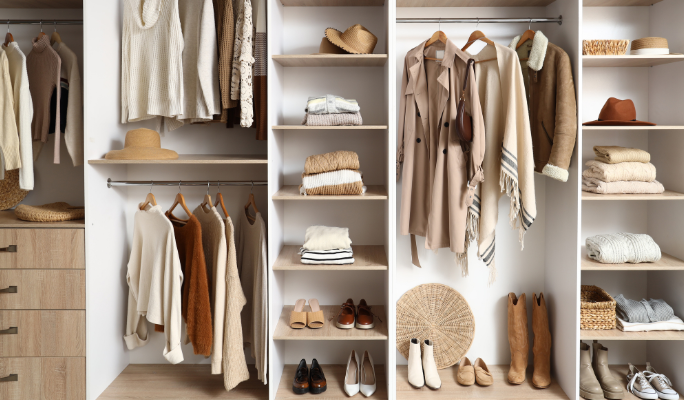

Have you ever bought a beautiful sweater that looked amazing on the mannequin, but when you put it on, it made you look completely exhausted and washed out? Conversely, have you ever worn a specific t-shirt and suddenly everyone tells you, «Wow, you look incredibly rested today!»?
This isn’t magic; it is pure science. Welcome to the world of Color Analysis.
Color Analysis (or Colorimetry) is a highly trending styling technique that determines which exact shades of clothing and makeup harmonize perfectly with your natural skin tone, eye color, and hair color. By finding your specific «Color Season,» you stop fighting against your natural features and start highlighting them.
Knowing your color palette will revolutionize how you shop, drastically reduce clothing waste, and make getting dressed incredibly easy. Here is the Folime beginner’s guide to finding your perfect colors.
Step 1: Determine Your Undertone (Warm vs. Cool)
The foundation of color analysis relies entirely on your skin’s undertone. Your skin’s overtone (how light or dark your skin is) can change if you get a tan in the summer, but your undertone never changes.
There are two primary undertones: Cool and Warm. (If you sit directly in the middle, you are Neutral).
The Vein Test: Look at the veins on the inside of your wrist in natural daylight.
- If your veins look noticeably blue or purple, you have a Cool undertone.
- If your veins look green or olive, you have a Warm undertone.
- If you cannot really tell, or they look like a mix of both, you likely have a Neutral undertone.
The Jewelry Test: Which metal makes your skin naturally glow, rather than looking dull?
- Silver or platinum jewelry generally looks best on Cool undertones.
- Gold jewelry looks vibrant and harmonious on Warm undertones.
Step 2: Determine Your Contrast (High vs. Low)
The second step is looking at the natural contrast between your hair, skin, and eyes.
- High Contrast: You have very dark hair and very light skin, or very dark skin and bright, light eyes. Your features stand out sharply against each other.
- Low Contrast: Your hair, eyes, and skin tone all blend closely together. For example, you have light blonde hair, pale skin, and light blue eyes; or you have dark brown hair, dark brown eyes, and dark skin.
Step 3: Find Your «Season»
Once you know your Undertone and Contrast, you can match yourself to one of the four traditional Color Seasons. Each season corresponds to a specific color palette that will make your skin glow.
🌸 Spring (Warm Undertones + Low Contrast)
If you are a Spring, your overall coloring is light, bright, and warm. You might have golden blonde, strawberry blonde, or light red hair, with light eyes and peachy skin.
- Your Best Colors: You shine in bright, fresh, and clear colors. Think of a sunny spring garden. Wear true red, peach, coral, golden yellow, Kelly green, and warm turquoise.
- Colors to Avoid: Heavy, dark colors like stark black or deep burgundy will overpower your delicate features.
☀️ Summer (Cool Undertones + Low Contrast)
If you are a Summer, your coloring is cool, muted, and soft. You might have ashy blonde or soft brown hair, with blue, gray, or cool hazel eyes.
- Your Best Colors: You look stunning in soft, cool, and dusty pastels. Think of a faded summer sunset. Wear powder blue, lavender, dusty rose, slate gray, and soft navy.
- Colors to Avoid: Intense, warm colors like mustard yellow, bright orange, or earthy rust will make you look tired and washed out.
🍁 Autumn (Warm Undertones + High Contrast)
If you are an Autumn, your coloring is rich, deep, and warm. You likely have dark golden brown, auburn, or deep red hair, with warm brown or green eyes and a golden/olive skin tone.
- Your Best Colors: You are the absolute star of rich, earthy tones. Think of a November forest. Wear mustard yellow, burnt orange, rust, olive green, chocolate brown, and warm beige.
- Colors to Avoid: Icy pastels, stark white, and bright magenta clash aggressively with your rich, warm undertones.
❄️ Winter (Cool Undertones + High Contrast)
If you are a Winter, your coloring is deep, cool, and highly contrasting. You likely have very dark brown or black hair, paired with either very pale porcelain skin or very deep, cool-toned skin, and striking eyes.
- Your Best Colors: You are the only season that can effortlessly rock stark, high-contrast colors. Think of jewels on ice. Wear pure black, stark white, emerald green, sapphire blue, royal purple, and true fuchsia.
- Colors to Avoid: Earthy, muted tones like beige, rust, and olive green will drain the life from your vibrant, high-contrast features.
💡 A Wardrobe Tip from the Folime Team:
Finding out your «season» does not mean you have to throw away half your closet! If you own a favorite shirt that is «out of your season» (for example, a warm mustard sweater on a Cool Winter), you can still wear it! The trick is to keep the «wrong» colors away from your face. Wear a scarf, a collar, or a jacket in your correct color closest to your face, and relegate the «wrong» colors to your trousers or skirts!
Disclaimer: The information provided in this article by Folime is for educational and lifestyle inspiration purposes only. Color analysis is a helpful styling tool, but the ultimate rule of fashion is to wear whatever colors make you feel the most confident and happy!
latest posts published

Footwear Biomechanics: Why ‘Barefoot’ Shoes Are Dominating Modern Streetwear

The Vintage Revival: How to Source and Authenticate High-End Secondhand Fashion

Proportion Play: The Geometric Rules of Styling Oversized Garments Correctly
The Science of Fabric: Why Polyester is Damaging the Skin (And Healthier Alternatives)
Investment Pieces: The 5 Structural Garments Every Professional Wardrobe Requires

Decoding the Dress Code: A Modern Guide to ‘Smart Casual’ for the Hybrid Workplace
The Death of Fast Fashion: Why ‘Cost Per Wear’ is the Only Metric That Matters
Sustainable Fashion: How to Identify ‘Greenwashing’ When Purchasing Apparel
Dopamine Dressing: The Psychological Impact of Color on Daily Productivity