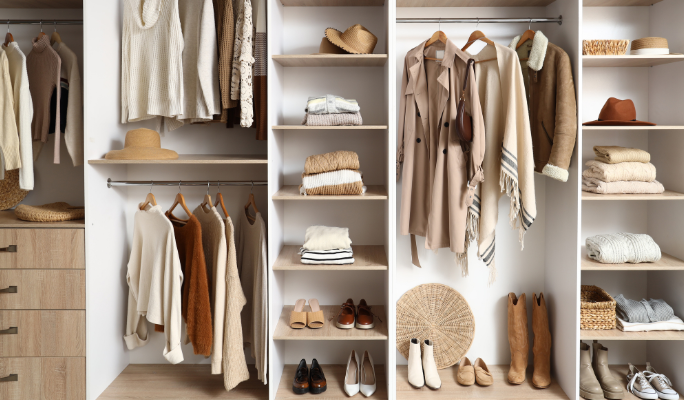

We all know the seasonal struggle: it is freezing cold when you leave for work at 8:00 AM, but by the time you go out for your lunch break at 1:00 PM, the sun is blazing and you are sweating uncontrollably.
Dressing for transitional weather—those unpredictable weeks during the shift from winter to spring, or autumn to winter—can be incredibly frustrating. If you wear a heavy wool coat, you will overheat by noon. If you just wear a light sweater, you will freeze during your morning commute.
The ultimate styling secret to surviving these chaotic temperatures while looking incredibly chic is The Art of Layering.
Layering is the fashion technique of wearing multiple, thinner garments on top of each other rather than relying on one massive, bulky coat. When done correctly, it allows you to easily peel off or add layers as the temperature shifts throughout the day. Here is the Folime masterclass on how to layer your clothes like a street-style professional without looking bulky.
Rule 1: Always Start Thin and Tight
The fundamental rule of layering is to start with your thinnest, tightest pieces closest to your skin and work your way out to thicker, looser fabrics.
- The Base Layer: Your base layer should act as a second skin. Opt for a tight-fitting, thin turtleneck, a smooth bodysuit, or a high-quality cotton long-sleeve shirt. This layer is crucial because it traps your initial body heat without adding any visible bulk.
- Styling Trick: A classic black or white ribbed turtleneck is the ultimate base layer. It looks elegant peeking out from underneath almost any other garment.
Rule 2: Play with Proportions and Lengths
If all your layers end at the exact same spot on your waist, you will create a thick, unflattering horizontal ring around your middle. The secret to looking stylish is allowing the different lengths of your layers to show.
- How to do it: Wear a longer button-down shirt underneath a slightly shorter cropped sweater. Let the crisp collar and the bottom hem of the shirt visibly peek out from under the sweater. This creates a highly intentional, «preppy» look and adds vertical dimension to your outfit, drawing the eye up and down rather than across.
Rule 3: Mix and Match Textures
If you layer three pieces of identical smooth cotton on top of each other, your outfit will look flat and boring. The magic of a great layered outfit is the visual contrast of different textures.
- How to do it: Pair soft, delicate fabrics with rougher, heavy fabrics. For example, wear a delicate silk slip dress (your summer staple) over a thin merino wool turtleneck (winter), and top it off with a heavy, structured leather jacket. The contrast between the shiny silk, the soft wool, and the tough leather creates a complex, highly expensive-looking outfit.
Rule 4: The «Rule of Three»
When building a layered look, fashion stylists swear by the «Rule of Three.» An outfit usually doesn’t look fully «complete» until it has a third piece. (Your pants are piece one, your top is piece two).
- The Third Piece: This is your mid-layer. It is the piece you wear over your base top but under your heavy winter coat. It could be an unbuttoned flannel shirt, a tailored blazer, a denim jacket, or a chunky cardigan.
- Why it works: When you get to the office and take off your heavy winter coat, you aren’t just left in a plain t-shirt. You still have your stylish «third piece» (like the blazer) to keep the outfit looking professional and put together.
Rule 5: Keep the Color Palette Cohesive
Because you are wearing multiple visible garments at once, chaotic color combinations can quickly make you look like a messy clown. To keep the look sophisticated, you must control your color palette.
- The Monochromatic Base: The easiest way to layer successfully is to wear a monochromatic base (e.g., black trousers and a black turtleneck) and use your layers (a camel blazer and a grey trench coat) to add neutral contrast.
- The «One Pop» Rule: If you want to use bright colors or patterns, limit it to just one layer. Let a bright red cardigan or a leopard print shirt be the star of the show, and keep the rest of the layers in solid, neutral tones (beige, navy, white) to anchor the outfit.
💡 A Wardrobe Tip from the Folime Team:
Layering is the ultimate budget hack! It allows you to seamlessly transition your summer clothes into the winter months. Do not pack away your favorite summer slip dresses or thin blouses in October. Simply layer a warm, chunky knit sweater over the dress (turning it into a skirt), or wear a tight, warm turtleneck under the summer blouse. You instantly double the size of your wearable wardrobe!
Disclaimer: The information provided in this article by Folime is for educational and lifestyle inspiration purposes only. Fashion is highly subjective; the most important rule is to wear clothing that makes you feel comfortable, confident, and authentically yourself.
latest posts published

Footwear Biomechanics: Why ‘Barefoot’ Shoes Are Dominating Modern Streetwear

The Vintage Revival: How to Source and Authenticate High-End Secondhand Fashion
Proportion Play: The Geometric Rules of Styling Oversized Garments Correctly
The Science of Fabric: Why Polyester is Damaging the Skin (And Healthier Alternatives)
Investment Pieces: The 5 Structural Garments Every Professional Wardrobe Requires

Decoding the Dress Code: A Modern Guide to ‘Smart Casual’ for the Hybrid Workplace

The Death of Fast Fashion: Why ‘Cost Per Wear’ is the Only Metric That Matters
Sustainable Fashion: How to Identify ‘Greenwashing’ When Purchasing Apparel
Dopamine Dressing: The Psychological Impact of Color on Daily Productivity