
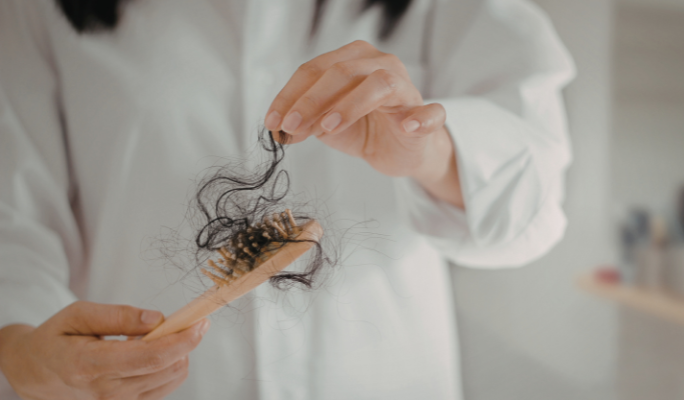
Finding a few hairs in the shower drain is perfectly normal. The average human naturally sheds between 50 and 100 hairs every single day as part of the normal growth cycle. However, when you start noticing widening parts, visible patches of scalp, or clumps of hair coming out in your brush, panic inevitably sets in.
Hair loss (alopecia) and sudden thinning can be a devastating blow to your self-esteem. Before you spend hundreds of euros on «miracle» shampoos heavily marketed on social media, you must understand that hair growth starts from the inside out.
Hair thinning is a complex issue with multiple triggers, ranging from extreme stress and hormonal imbalances to severe nutritional deficiencies. Here is the Folime beauty and wellness guide to identifying the root cause of your hair loss and the proven steps you can take to encourage natural, healthy regrowth.
Step 1: Identify the Root Cause
You cannot fix hair loss until you know exactly why it is falling out. The most common causes include:
- Telogen Effluvium (Stress-Induced Shedding): This is a highly common, temporary condition. Following a massive physical or emotional shock—such as giving birth, a severe illness (like COVID-19), drastic weight loss, or intense psychological trauma—your body prematurely pushes up to 30% of your hair follicles into the «resting» (telogen) phase. About three months after the stressful event, the hair suddenly falls out in terrifying clumps. The good news? Once the stress is resolved, the hair usually grows back entirely on its own.
- Hormonal Imbalances (Androgenetic Alopecia): This is genetic male or female pattern baldness. In women, it is often triggered by menopause, PCOS, or stopping birth control pills. It typically presents as a gradual thinning along the central part of the scalp rather than total baldness.
- Nutritional Deficiencies: Your body views hair as «non-essential» tissue. If you are lacking critical nutrients, your body will cut off the nutrient supply to your hair follicles to protect your vital organs. Severe deficiencies in Iron (Anemia), Vitamin D, Zinc, and Vitamin B12 are massive culprits behind unexplained hair shedding.
Step 2: Feed Your Follicles (The Nutritional Fix)
If your hair is thinning due to a poor diet, no topical serum will save it. You must adjust your nutrition.
- Prioritize High-Quality Protein: Hair is physically made of a protein called keratin. If you are not eating enough protein, your body cannot manufacture new hair. Ensure you are consuming adequate amounts of lean chicken, fish, eggs, tofu, and Greek yogurt every day.
- Get Your Blood Work Done: Do not guess! Go to your doctor and request a full blood panel specifically checking your Ferritin (iron storage), Vitamin D, and Thyroid hormone levels. If you are deficient, your doctor will prescribe a targeted supplement to correct the imbalance, which often stops the shedding in its tracks.
Step 3: Upgrade Your Scalp Care Routine
Healthy hair simply cannot grow from a neglected, clogged, or inflamed scalp. You must treat your scalp with the same care you give your face.
- Exfoliate the Scalp: Dead skin cells, hard water minerals, and dry shampoo buildup can physically clog your hair follicles, preventing new hairs from pushing through. Use a chemical scalp exfoliant (containing Salicylic Acid) once a week to dissolve the buildup and create a clean environment for growth.
- Stimulate Blood Flow: Blood carries oxygen and nutrients to the hair follicle. Spend 3 to 5 minutes every night giving yourself a firm scalp massage using your fingertips (not your nails) or a silicone scalp massager. This physical stimulation dilates the blood vessels, delivering a rush of nutrients directly to the root.
Step 4: The Proven Topical Treatments
Forget the «magic» Instagram oils. If you want clinically proven results, look for these ingredients:
- Minoxidil (Rogaine): This is the only over-the-counter topical medication officially approved by global health authorities to treat genetic hair loss (Androgenetic Alopecia). It works by enlarging the hair follicle and prolonging the growth phase. Note: It requires strict, daily, lifelong commitment. If you stop using it, the new hair will fall out.
- Rosemary Oil: If you prefer a natural route, several clinical studies have shown that Rosemary Essential Oil performs similarly to 2% Minoxidil in stimulating hair growth. Crucial Warning: Never apply pure essential oil directly to your scalp, as it will cause a severe chemical burn! You must dilute 5 drops of Rosemary Oil into a «carrier oil» (like Jojoba or Argan oil) before massaging it into your roots and leaving it on for 2 hours before washing.
Step 5: Stop the Mechanical Damage
While you wait for the new hair to grow, you must protect the fragile hair you currently have.
- Ditch the Tight Hairstyles: Wearing your hair in a tight, slicked-back ponytail or a heavy high bun every single day places immense, constant tension on the roots. Over time, this literally pulls the hair out of the follicle permanently, a condition known as Traction Alopecia. Switch to loose braids and use soft silk scrunchies.
- Turn Down the Heat: Flat irons and daily blow-drying physically snap the hair shaft, making your hair look thinner than it actually is. Embrace your natural texture and strictly limit heat styling to once a week, always using a heat-protectant spray.
💡 A Medical Reminder from the Folime Team:
Hair growth is an incredibly slow biological process. Hair only grows about half an inch (1.25 cm) per month. Even if you completely fix your diet and start the perfect treatment today, you will not see visible new growth for at least 3 to 6 months. Do not get discouraged! Consistency, patience, and a calm mindset are your best tools for recovering your hair.
Disclaimer: The information provided in this article by Folime is for educational and cosmetic awareness purposes only. It is not intended as a substitute for professional medical advice or diagnosis. If your hair loss is sudden, patchy, or accompanied by an itchy, painful scalp, please consult a board-certified dermatologist or trichologist immediately.
latest posts published

Footwear Biomechanics: Why ‘Barefoot’ Shoes Are Dominating Modern Streetwear

The Vintage Revival: How to Source and Authenticate High-End Secondhand Fashion

Proportion Play: The Geometric Rules of Styling Oversized Garments Correctly
The Science of Fabric: Why Polyester is Damaging the Skin (And Healthier Alternatives)

Investment Pieces: The 5 Structural Garments Every Professional Wardrobe Requires

Decoding the Dress Code: A Modern Guide to ‘Smart Casual’ for the Hybrid Workplace

The Death of Fast Fashion: Why ‘Cost Per Wear’ is the Only Metric That Matters
Sustainable Fashion: How to Identify ‘Greenwashing’ When Purchasing Apparel

Dopamine Dressing: The Psychological Impact of Color on Daily Productivity