
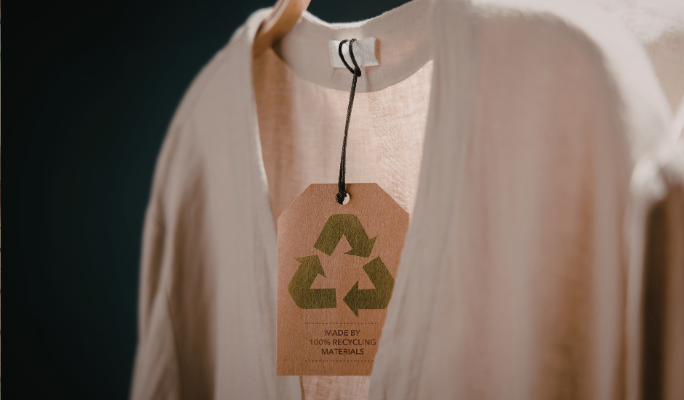
Over the past decade, consumer awareness regarding the environmental devastation caused by the global apparel industry has reached unprecedented heights. Modern shoppers are actively demanding transparency, ethical labor practices, and ecologically responsible manufacturing processes.
In response, almost every major fashion conglomerate has rapidly launched «eco-friendly» initiatives, draped their marketing campaigns in earth tones, and plastered the word «conscious» across their storefronts. However, behind these aesthetic changes, a vast majority of these corporate initiatives are entirely superficial.
This deceptive marketing practice is clinically known as Greenwashing.
Greenwashing occurs when a brand spends significantly more time and money marketing themselves as environmentally friendly than they actually spend minimizing their environmental impact. It is a calculated strategy designed to capitalize on consumer guilt while maintaining highly profitable, destructive supply chains.
In this comprehensive industry analysis, the Folime Fashion Team dissects the sophisticated marketing tactics used to mislead consumers, explains the ecological reality of modern textile production, and provides a strict diagnostic framework to help consumers identify true sustainable fashion.
The Anatomy of Greenwashing: Common Industry Tactics
To avoid funding exploitative practices, consumers must learn to decipher the language of fast-fashion marketing. Greenwashing relies on vagueness, visual manipulation, and statistical misdirection. The most common corporate tactics include:
1. The ‘Conscious Collection’ Illusion
A frequent strategy employed by global fast-fashion retailers is the creation of a specialized «Conscious» or «Eco» sub-collection. A brand may release a small capsule of 30 garments made from organic cotton, heavily promoting this specific line in global advertising campaigns.
The mathematical reality exposes the deception: this small, sustainable capsule often represents less than 1% of the brand’s total inventory. Meanwhile, the remaining 99% of their garments are still mass-produced using virgin petroleum-based polyester in unregulated overseas factories. The brand uses the halo effect of the 1% to artificially sanitize the reputation of the entire company.
2. Vague Terminology Without Certification
Language in the fashion industry is heavily unregulated. Brands frequently utilize buzzwords such as Eco-friendly, Natural, Earth-conscious, or Green. Legally, these terms hold absolutely no weight. A garment can be labeled «natural» simply because it contains 5% cotton, while the other 95% is synthetic acrylic.
True sustainability does not rely on vague adjectives; it relies on strict, third-party certifications. Consumers must actively look for verified acronyms on garment tags, such as:
- GOTS (Global Organic Textile Standard): Ensures the cotton was grown without toxic pesticides and processed ethically.
- Oeko-Tex Standard 100: Certifies that the final garment has been strictly tested and is completely free of harmful chemical substances.
- Fair Trade Certified: Guarantees that the human beings who sewed the garment were paid a living wage and worked in safe conditions.
3. The ‘Recycled Plastic’ Paradox
A rapidly growing trend is the creation of activewear, outerwear, and sneakers marketed as being made from «100% Recycled Plastic Bottles.» While removing plastic bottles from the ocean sounds inherently positive, textile scientists highlight a severe biological flaw in this practice.
When a plastic bottle is recycled into a fleece sweater or a pair of leggings, it creates a new environmental hazard: Microplastics. Every time that recycled synthetic garment is washed in a standard washing machine, it sheds thousands of microscopic plastic fibers. These microplastics bypass municipal water filtration systems, empty directly into the ocean, and are subsequently ingested by marine life, eventually entering the human food chain.
True sustainability requires transitioning away from plastic entirely, not merely changing the shape of the plastic before it inevitably degrades into the ecosystem.
The Functional Audit: How to Shop with Ethical Intent
Consumers possess immense power to dictate industry standards through their purchasing habits. To circumvent greenwashing and build a genuinely sustainable wardrobe, individuals must apply a rigid auditing process before completing a transaction.
Step 1: Analyze the Production Volume
The most accurate metric of a brand’s sustainability is its production volume. If a company is releasing 500 to 1,000 new, distinct styles every single week, they are fundamentally a fast-fashion entity, regardless of the materials they use. True sustainable fashion operates on a model of slow, deliberate production, prioritizing timeless silhouettes and strictly limiting inventory to prevent landfill waste.
Step 2: Demand Supply Chain Transparency
A genuinely ethical brand has nothing to hide. Sustainable companies are highly transparent about exactly where their garments are made, publishing the names and locations of their factories on their websites. If a consumer cannot easily determine the country of origin, the labor conditions, or the source of the raw materials after five minutes of browsing a brand’s website, that opacity is a deliberate corporate choice.
Step 3: Prioritize Natural, Biodegradable Fibers
The foundation of an ecological wardrobe rests on the biological lifespan of the fabric. Consumers should heavily prioritize garments constructed from monomaterials (fabrics made from a single fiber rather than a synthetic blend).
Garments made from 100% Linen, Hemp, Organic Cotton, or Merino Wool are inherently biodegradable. At the end of their lifecycle, these garments can safely decompose back into the earth, whereas a polyester dress will sit in a landfill emitting greenhouse gases for over 200 years.
Frequently Asked Questions (FAQ)
Is purchasing secondhand or vintage clothing considered sustainable?
Purchasing secondhand clothing is widely considered the absolute pinnacle of sustainable fashion. By utilizing the existing supply of garments, the consumer entirely bypasses the massive water consumption, carbon emissions, and labor required to manufacture a new item. It effectively extends the lifecycle of a garment and keeps it out of global landfills.
Why is sustainable fashion significantly more expensive than fast fashion?
Fast fashion prices are artificially deflated through severe labor exploitation and the use of toxic, cheap petroleum derivatives. A $5 t-shirt is only mathematically possible if the farmer, the textile weaver, and the garment worker are not paid a living wage. Sustainable fashion reflects the true, ethical cost of producing a garment: fair human wages, non-toxic agricultural practices, and high-quality, durable materials designed to last a decade rather than a month.
💡 A Fashion Tip from the Folime Team:
«To perform an immediate, real-time audit of a brand’s sustainability claims while shopping online, utilize independent digital transparency tools. Platforms and browser extensions such as ‘Good On You’ meticulously aggregate data regarding a brand’s labor policies, environmental impact, and animal welfare practices. Running a brand through an independent third-party directory instantly cuts through the corporate greenwashing and reveals their actual ethical score, empowering consumers to make highly informed financial decisions in seconds.»
Disclaimer: The investigative and environmental information provided in this article by the Folime team is intended for educational purposes only. Corporate practices, supply chains, and environmental certifications are subject to rapid change. Readers are encouraged to conduct their own independent research into specific brands and verify third-party certifications before making purchasing decisions based on sustainability claims.
latest posts published

Footwear Biomechanics: Why ‘Barefoot’ Shoes Are Dominating Modern Streetwear
The Vintage Revival: How to Source and Authenticate High-End Secondhand Fashion
Proportion Play: The Geometric Rules of Styling Oversized Garments Correctly
The Science of Fabric: Why Polyester is Damaging the Skin (And Healthier Alternatives)

Investment Pieces: The 5 Structural Garments Every Professional Wardrobe Requires

Decoding the Dress Code: A Modern Guide to ‘Smart Casual’ for the Hybrid Workplace
The Death of Fast Fashion: Why ‘Cost Per Wear’ is the Only Metric That Matters
Sustainable Fashion: How to Identify ‘Greenwashing’ When Purchasing Apparel
Dopamine Dressing: The Psychological Impact of Color on Daily Productivity