
For the last twenty years, consumer shopping habits were dictated by a singular obsession: the thrill of the discount. The global explosion of fast-fashion mega-retailers conditioned the public to view clothing as a highly disposable commodity. An entire generation was taught to purchase five low-quality garments for $100, rather than investing that exact same amount in a single, high-quality piece.
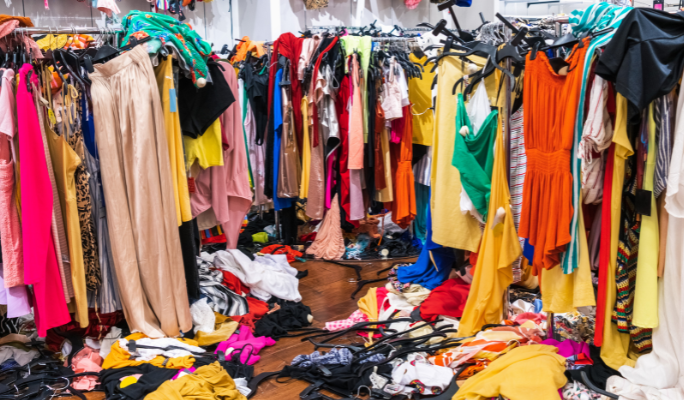
However, as the global economy transitions deeper into 2026, a massive behavioral shift is occurring. Consumers are experiencing severe «wardrobe fatigue.» Closets are overflowing with hundreds of items, yet the overwhelming sentiment remains: «There is nothing to wear.» Garments lose their shape after a single wash, seams unravel, and synthetic fabrics retain permanent odors. The era of cheap, disposable fashion is rapidly losing its cultural and financial appeal.
In its place, sartorial experts and financial advisors are championing a highly logical, mathematical approach to building a wardrobe. In this comprehensive economic analysis, the Folime Fashion Team explores the behavioral trap of «perceived value,» the structural reality of garment manufacturing, and why calculating the Cost Per Wear (CPW) is the only metric that truly dictates whether a purchase is a waste of money or a lifelong investment.
The Psychological Illusion of the «Bargain»
To understand why individuals continuously purchase low-quality clothing, one must examine the psychology of retail marketing. Fast fashion relies on a cognitive bias known as Anchoring.
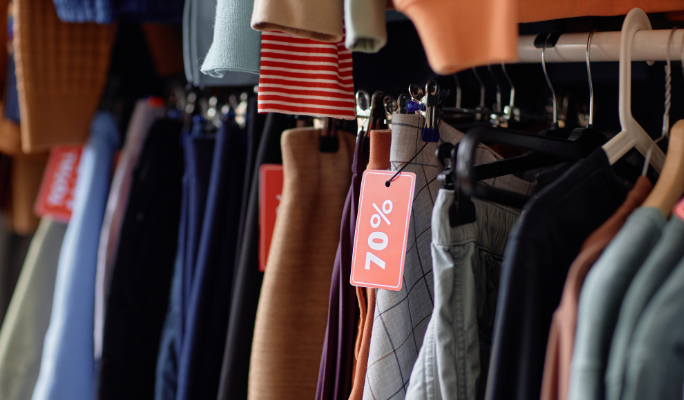
When a retailer displays a synthetic winter coat originally priced at $150 but marked down to $39, the consumer’s brain anchors to the initial high number. The purchase feels like a massive financial victory. The brain releases a surge of dopamine associated with «scoring a deal,» completely ignoring the physical reality of the garment in their hands.
The structural truth is that a $39 winter coat cannot be mathematically produced using high-quality insulation, durable hardware (zippers and buttons), or ethical labor. The manufacturer must cut severe corners to achieve that price point. Consequently, the coat fails to retain body heat, the zipper breaks within two months, and the consumer is forced to purchase another coat the following winter.
The initial «bargain» ultimately initiates a continuous, expensive cycle of rapid replacement.
The Economics of Style: Defining ‘Cost Per Wear’
To break the cycle of disposable consumption, shoppers must transition from viewing the Retail Price to calculating the Cost Per Wear (CPW).
Cost Per Wear is a simple economic formula utilized by professional stylists to determine the true, long-term value of a garment. The formula dictates:
Total Retail Price of the Item ÷ Estimated Number of Times Worn = Cost Per Wear.
By applying this mathematical formula, the illusion of fast-fashion affordability completely shatters. Consider the following clinical comparison of two identical purchasing scenarios:
Scenario A: The Fast-Fashion Trap
An individual purchases a highly trendy, fast-fashion sweater constructed from a blend of polyester and acrylic for $40. Because the silhouette is tied to a fleeting micro-trend, it will look outdated by next season. Furthermore, the synthetic fabric begins to heavily pill (form small balls of fuzz) after just three cycles in the washing machine.
The individual wears the sweater a total of 5 times before it is deemed unwearable and discarded.
- The Math: $40 ÷ 5 wears = $8.00 Cost Per Wear.
Scenario B: The Sartorial Investment
An individual purchases a classic, tailored sweater constructed from 100% natural Merino wool from an ethical brand for $180. Because the silhouette is timeless and the natural fibers are highly durable, it remains a staple in their wardrobe. The individual wears the sweater twice a week during the winter months for five consecutive years.
The individual wears the sweater a total of 200 times.
- The Math: $180 ÷ 200 wears = $0.90 Cost Per Wear.
While the initial retail investment in Scenario B was significantly higher, the mathematical reality is undeniable. The expensive sweater is almost ten times cheaper to own over its lifespan than the «affordable» alternative.
The 3 Rules for Maximizing CPW
Understanding the math is only the first step. To successfully build a wardrobe with an incredibly low Cost Per Wear, consumers must apply rigorous standards before bringing a new item into their closet.
1. The Rule of Three (Versatility)
A garment cannot achieve a low CPW if it can only be worn in one specific scenario. Before purchasing an item, the consumer must mentally construct at least three entirely different outfits using garments they already own. If a new shirt requires the purchase of new trousers and new shoes just to make a cohesive outfit, its versatility is practically zero, and its CPW will remain astronomically high.
2. Prioritizing Natural Fibers
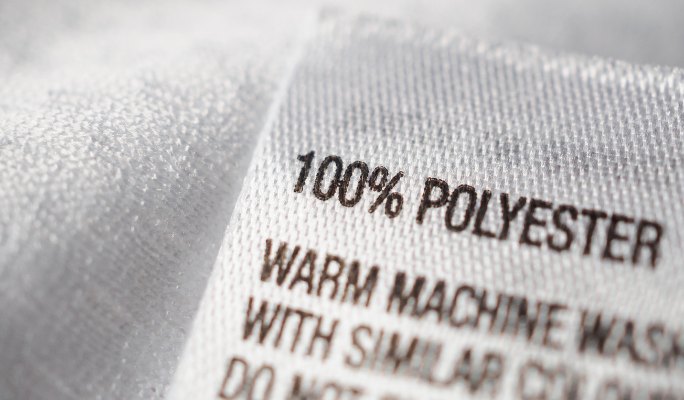
The lifespan of a garment is entirely dependent on its textile composition. Synthetic fibers (polyester, nylon, acrylic) are essentially woven plastics; they degrade rapidly under the heat of standard washing machines and dryers. To maximize longevity, investments should be strictly allocated to natural, breathable fibers: 100% cotton, linen, silk, wool, and genuine leather. These organic materials respond well to tailoring, endure decades of wear, and physically conform to the wearer’s body over time.
3. Calculating Maintenance Costs
When evaluating the true cost of an expensive garment, one must factor in the maintenance required to keep it functional. A $300 pure silk blouse has a high retail price, but if it requires a $15 professional dry-cleaning service after every single use, the CPW will never reach an efficient number. Wardrobe staples should ideally be constructed from high-quality materials that can be safely hand-washed or machine-washed on delicate cycles at home.
Frequently Asked Questions (FAQ)
Does the Cost Per Wear metric apply to formal wear or special occasion garments?
Special occasion garments (such as a tuxedo or a heavily beaded evening gown) inherently have a higher CPW because they are worn infrequently. For these specific items, financial experts highly recommend the rental economy. Renting a high-end designer gown for a single event for $100 is mathematically superior to purchasing a mediocre gown for $300 that will hang in a closet untouched for the next decade.
Is it financially responsible to purchase expensive, trendy items if the quality is high?
No. Even if a garment is manufactured with the highest quality silk or leather, if the aesthetic is tied to a hyper-specific, fleeting trend (such as extreme oversized shoulder pads or neon animal prints), the consumer will naturally stop wearing it when the trend dies six months later. To achieve a low CPW, the physical durability of the garment must be matched by the timelessness of its visual design.
💡 A Fashion Tip from the Folime Team:
«To prevent impulsive, emotionally driven purchases that inevitably result in a high Cost Per Wear, individuals must implement the ’72-Hour Cart Rule’. When shopping online, if a garment catches the eye, place it in the digital shopping cart, close the browser entirely, and forcefully wait 72 hours before completing the transaction. During this waiting period, the initial dopamine spike of the ‘want’ completely subsides. When the individual returns to the cart three days later, the logical prefrontal cortex has regained control, allowing for a clinical evaluation of whether the garment is a true investment or merely a fleeting distraction.»
Disclaimer: The sartorial and financial frameworks discussed in this article by the Folime team are intended for educational and personal styling purposes only. Recommendations regarding financial investments in apparel should always be carefully weighed against an individual’s personal economic situation, budget constraints, and lifestyle requirements.
latest posts published

Footwear Biomechanics: Why ‘Barefoot’ Shoes Are Dominating Modern Streetwear
The Vintage Revival: How to Source and Authenticate High-End Secondhand Fashion
Proportion Play: The Geometric Rules of Styling Oversized Garments Correctly
The Science of Fabric: Why Polyester is Damaging the Skin (And Healthier Alternatives)
Investment Pieces: The 5 Structural Garments Every Professional Wardrobe Requires

Decoding the Dress Code: A Modern Guide to ‘Smart Casual’ for the Hybrid Workplace
The Death of Fast Fashion: Why ‘Cost Per Wear’ is the Only Metric That Matters
Sustainable Fashion: How to Identify ‘Greenwashing’ When Purchasing Apparel
Dopamine Dressing: The Psychological Impact of Color on Daily Productivity