
For the last forty years, the global footwear industry has been locked in a «cushioning arms race.» Athletic brands and luxury fashion houses alike have continuously engineered sneakers with increasingly massive foam midsoles, rigid arch supports, and elevated, wedge-like heels. The underlying consumer promise was simple: more cushioning equals more comfort and protection.
However, as the modern fitness and wellness movements intersect with daily fashion, a massive biomechanical rebellion has occurred. Podiatrists, physical therapists, and style icons are actively rejecting the heavily padded «moon shoes» of the past decade.
In their place, a radically different silhouette has exploded into mainstream streetwear: the «Barefoot» or Minimalist Shoe.
Characterized by paper-thin soles, ultra-wide toe boxes, and zero heel elevation, barefoot shoes are engineered to allow the human foot to function exactly as biology intended. In this comprehensive biomechanical analysis, the Folime Fashion Team explores the structural damage caused by traditional footwear, the clinical science behind the minimalist shoe movement, and how to safely transition into functional footwear without sacrificing modern aesthetic standards.
The Structural Anatomy of Traditional Footwear
To understand the rise of the barefoot movement, one must first analyze exactly how traditional, heavily cushioned shoes actively disrupt human anatomy. The vast majority of standard sneakers and dress shoes feature three severe structural flaws:
1. The Tapered Toe Box (The Bunion Catalyst)
Human feet are biologically designed to splay—meaning the toes should spread wide upon ground contact to provide a stable, shock-absorbing base. However, traditional fashion dictates that shoes should end in a sharp, aesthetic point. Forcing the toes into a narrow, tapered toe box literally binds the metatarsals together. Over years of daily wear, this structural confinement fundamentally alters the skeletal shape of the foot, directly causing painful bunions, hammertoes, and severe plantar fasciitis.
2. The «Heel Drop» (Postural Distortion)
Almost every modern shoe—from running sneakers to men’s dress oxfords to women’s boots—features a «heel drop,» meaning the heel of the shoe is physically elevated higher than the forefoot.
While a one-inch heel may seem harmless, this elevation forces the human body into a permanent downhill posture. To prevent the body from falling forward, the knees must constantly bend, the pelvis tilts anteriorly (forward), and the lower back hyper-extends. This single inch of elevation creates a devastating biomechanical chain reaction that is the root cause of chronic lower back and knee pain for millions of professionals.
3. Artificial Arch Support (Muscular Atrophy)
The human foot contains 26 bones, 33 joints, and over 100 muscles and tendons. The arch of the foot is naturally designed to act as a dynamic, weight-bearing spring. When consumers purchase shoes with massive, rigid arch supports, they essentially place their foot inside a cast. Because the shoe is performing all the structural work, the intrinsic muscles of the foot rapidly atrophy and weaken. The arch collapses not because it is inherently defective, but because it has been rendered entirely lazy by over-supportive footwear.
The Biomechanical Solution: The Minimalist Paradigm
The barefoot shoe movement is not about running through the streets without any protection. It is about wearing a protective covering that refuses to interfere with the foot’s natural mechanics.
To be clinically classified as a «barefoot» or minimalist shoe, the footwear must possess three non-negotiable architectural traits:
- Zero-Drop: The heel and the toes must be on the exact same plane, parallel to the ground. This instantly corrects pelvic tilt and restores a neutral, stacked spinal alignment.
- Anatomical Toe Box: The front of the shoe must be shaped like an actual human foot, allowing the toes to fully splay and grip the ground for balance and proprioception.
- High Flexibility (Thin Soles): The sole must be thin enough to allow the nervous system in the sole of the foot to «feel» the ground. This sensory feedback allows the brain to instantly adjust gait, balance, and impact absorption.
Aesthetic Integration: Barefoot Fashion in 2026
Historically, the primary barrier to adopting barefoot shoes was their glaringly unappealing aesthetics. Early iterations resembled bizarre rubber gloves for the feet, instantly clashing with professional or elevated casual wardrobes.
However, in 2026, the market has undergone a massive aesthetic evolution. Premium footwear brands have successfully disguised minimalist biomechanics within classic, timeless silhouettes.
Consumers can now purchase zero-drop, wide-toe-box shoes constructed from high-quality full-grain leather, sleek suede Chelsea boots, and minimalist white sneakers that look indistinguishable from luxury streetwear brands. The integration is seamless: the wearer projects a highly refined, modern «smart casual» aesthetic while secretly enjoying the physiological benefits of walking barefoot.
The Transition Protocol (Avoiding Injury)
The most dangerous mistake an individual can make is throwing away their heavily cushioned shoes and immediately walking five miles in a minimalist shoe.
Because the intrinsic muscles of the feet and the Achilles tendon have been weakened by decades of wearing elevated heels, they require a clinical transition period to rebuild their strength. If the transition is rushed, the sudden mechanical load can cause severe tendonitis or micro-fractures.
- Phase 1 (The 10% Rule): Begin by wearing barefoot shoes for only 10% of total daily walking. Use them strictly for short errands, walking around the house, or a brief 15-minute stroll.
- Phase 2 (Active Foot Strengthening): While transitioning, individuals must actively rehabilitate their feet. Practicing «toe yoga» (attempting to lift the big toe independently of the other four toes) and rolling the arch of the foot over a lacrosse ball stimulates dormant nerve endings and rebuilds the muscular arch.
- Phase 3 (Full Integration): Over a period of three to six months, as the calves stretch and the foot muscles hyper-trophy, the individual can gradually increase their usage until the minimalist shoe becomes their permanent daily footwear.
Frequently Asked Questions (FAQ)
Can barefoot shoes cure flat feet?
In many clinical cases, yes. «Flat feet» are rarely a permanent genetic sentence; they are usually the result of severe muscular weakness caused by a lifetime of artificial arch support. By transitioning to a minimalist shoe, the foot is forced to support its own weight. Over several months, the intrinsic muscles of the foot naturally rebuild, actively lifting and restoring the natural arch.
Are barefoot shoes appropriate for individuals standing on hard concrete all day?
This depends entirely on the individual’s transition phase. For someone whose feet are heavily atrophied, standing on concrete in a 4mm sole for eight hours will initially cause profound fatigue and bone bruising. However, once the foot muscles have fully adapted and strengthened, the natural fat pads on the bottom of the feet provide adequate protection, allowing individuals to comfortably stand on hard surfaces without artificial foam cushioning.
💡 A Fashion & Biomechanics Tip from the Folime Team:
«To execute a highly accurate, clinical audit of whether a current pair of shoes is structurally damaging the feet, utilize the ‘Insole Trace Test’. Remove the removable foam insole from any standard sneaker or dress shoe and place it flat on the floor. The individual must then stand directly on top of the insole bearing their full body weight. If the toes spill over the edges of the insole, the shoe’s toe box is fundamentally too narrow. The foot is being aggressively crushed to fit the shoe, guaranteeing long-term structural deformation. A functional shoe must always accommodate the full, natural splay of the foot.»
Disclaimer: The biomechanical and podiatric information provided in this article by the Folime team is for educational and wellness purposes only. It is not intended to serve as professional medical advice. Transitioning to zero-drop or barefoot footwear drastically alters the mechanical load on the Achilles tendon and calves. Individuals with a history of severe plantar fasciitis, Achilles tendonitis, or structural foot deformities should consult a licensed podiatrist or physical therapist before altering their footwear.
latest posts published
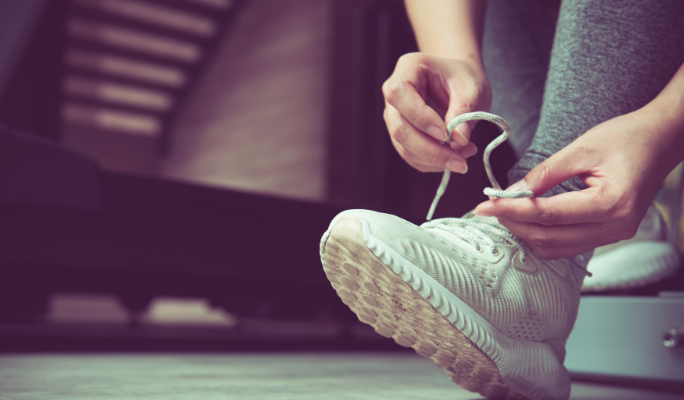
Footwear Biomechanics: Why ‘Barefoot’ Shoes Are Dominating Modern Streetwear

The Vintage Revival: How to Source and Authenticate High-End Secondhand Fashion
Proportion Play: The Geometric Rules of Styling Oversized Garments Correctly
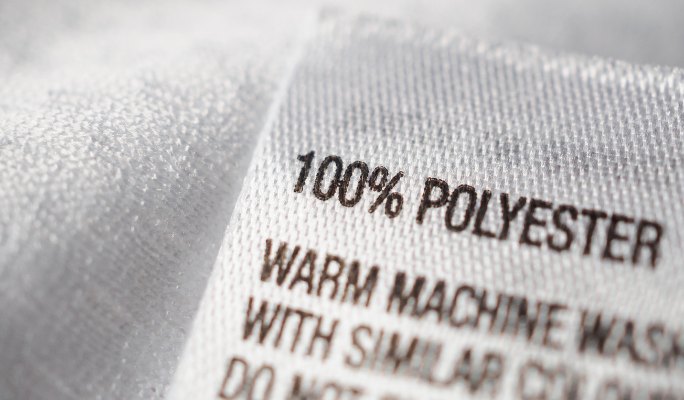
The Science of Fabric: Why Polyester is Damaging the Skin (And Healthier Alternatives)
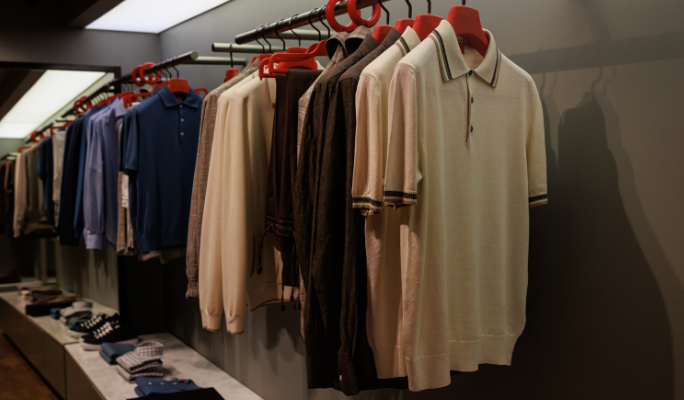
Investment Pieces: The 5 Structural Garments Every Professional Wardrobe Requires
Decoding the Dress Code: A Modern Guide to ‘Smart Casual’ for the Hybrid Workplace

The Death of Fast Fashion: Why ‘Cost Per Wear’ is the Only Metric That Matters
Sustainable Fashion: How to Identify ‘Greenwashing’ When Purchasing Apparel
Dopamine Dressing: The Psychological Impact of Color on Daily Productivity