
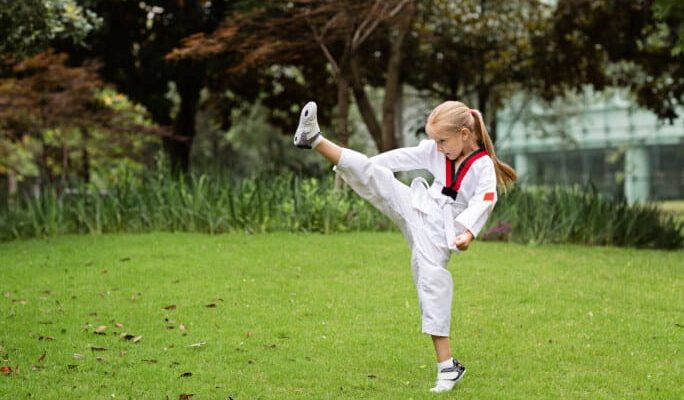
We all know that physical activity is essential for adults, but the benefits of sports for children are equally, if not more, profound. Sadly, modern lifestyles are keeping our kids indoors. According to recent surveys on the sporting habits of school populations, over 60% of primary school students engage in physical activity for less than two hours a week. This is far below the recommendations of the World Health Organization (WHO), which advises at least 60 minutes of moderate-to-vigorous activity every single day.
Playing sports during childhood does much more than just burn off excess energy. It helps children build bone density, strengthen their cardiovascular system, and develop critical social skills, guaranteeing them a healthier, more confident life in the future.
However, you cannot force a toddler to play a highly strategic game of basketball, nor will a teenager be satisfied with basic playground games. The secret to raising an active child is finding the sport best suited to their specific developmental stage. In this Folime guide, we break down the incredible benefits of sports for children and suggest the best activities for every age group.
Why Sports Are Crucial for Child Development
Before diving into the age brackets, it is important to understand that the benefits of sports extend far beyond physical fitness.
- Physical Benefits: Prevents childhood obesity, improves posture, builds muscle strength, and significantly reduces the risk of future cardiovascular diseases.
- Psychological Benefits: Sports teach children how to handle both victory and defeat. It builds mental resilience, reduces stress and anxiety, and massively boosts self-esteem.
- Social Benefits: Team sports, in particular, teach the invaluable life skills of cooperation, empathy, following rules, and respecting authority figures (coaches and referees).
An Age-by-Age Guide to Choosing the Right Sport
Children develop motor skills and cognitive abilities at different rates. Here is how to match their current developmental stage with the perfect physical activity.
Toddlers and Preschoolers (Ages 3 to 5)
At this age, children do not understand complex rules or strategies. Their bodies are still mastering basic balance and coordination. Parents should look for playful activities that prioritize free movement over intensity or competition.
Highly Recommended Sports:
- Swimming: This is the ultimate foundational sport. It exercises almost every muscle in the body and is phenomenal for correcting body posture. Furthermore, learning water safety at this age is a vital life-saving skill.
- Basic Martial Arts (Judo or Karate): At this level, martial arts classes are usually disguised as fun games. They are incredible for developing balance, spatial awareness, and the early principles of discipline and listening to instructions.
- Children’s Gymnastics: A fantastic way to safely channel boundless energy while building flexibility and core strength on soft mats.
Early Primary School (Ages 5 to 7)
As children begin formal schooling, their attention spans grow, and their fundamental motor skills (running, throwing, catching) are solidifying. This is the perfect age to encourage activities that take place outside the home, teaching them to respect nature and build independence.
Highly Recommended Sports:
- Cycling and Roller Skating: Excellent for cardiovascular health and building leg strength, while giving them a thrilling sense of independence.
- Introductory Climbing (Bouldering): Climbing is an incredible, often overlooked sport for kids. It brings massive benefits by helping them overcome a fear of heights and developing mental resilience. It requires agility, flexibility, and teaches them how to make thoughtful, step-by-step decisions.
- Rhythmic Gymnastics: For children who love music and movement, rhythmic gymnastics prevents muscle injuries, strengthens tendons, and is one of the absolute best sports to develop a child’s creative expression.
The «Golden Age» of Skill Development (Ages 7 to 10)
From the age of 7, a major cognitive shift happens. Children begin to understand strategic approaches to games and deeply grasp the concept of teamwork. This is the absolute ideal age to introduce structured, competitive team sports.
Highly Recommended Sports:
- Basketball or Soccer: These are the ultimate team sports. Children who play these develop intense cardiovascular endurance, agility, and hand-eye coordination. More importantly, they learn how to work together, pass the ball, and support their teammates.
- Tennis: A fantastic sport for developing explosive speed, rapid reflexes, and intense, singular focus.
- Chess: Wait, chess? Yes! Although it doesn’t involve running, chess is highly recognized as a mind sport. It improves concentration, strategic vision, and mental agility. The tension of competition actively increases heart rate and teaches children how to anticipate their opponent’s moves.
Pre-Teens and Adolescents (10 Years and Older)
By the age of 10, a child’s motor development and cognitive maturity are sufficient to practice virtually any sport safely. At this stage, sports often involve a heavier element of competition, personal achievement, and identity building.
The Action Plan:
If your child has been playing a sport recreationally and shows a genuine passion for it, now is the time to take it to a more structured level. Encourage them to join a local competitive club, a school team, or a regional league.
However, do not force specialization if they aren’t ready. The goal is to keep them moving through their teenage years. If they don’t like team sports, encourage individual pursuits like athletics (track and field), surfing, or mountain biking.
💡 A Final Tip from the Folime Team:
The most important rule when introducing your child to sports is to never force it. If your child hates soccer, don’t make them play it just because you did. Expose them to a wide variety of activities—from swimming to climbing to dance—until they find the one that makes them genuinely excited to leave the house!
Disclaimer: The information provided in this article by Folime is for educational and developmental guidance purposes only. Always consult a pediatrician before enrolling your child in a high-intensity sports program, especially if they have pre-existing health conditions such as asthma.
latest posts published

Footwear Biomechanics: Why ‘Barefoot’ Shoes Are Dominating Modern Streetwear

The Vintage Revival: How to Source and Authenticate High-End Secondhand Fashion
Proportion Play: The Geometric Rules of Styling Oversized Garments Correctly

The Science of Fabric: Why Polyester is Damaging the Skin (And Healthier Alternatives)

Investment Pieces: The 5 Structural Garments Every Professional Wardrobe Requires

Decoding the Dress Code: A Modern Guide to ‘Smart Casual’ for the Hybrid Workplace

The Death of Fast Fashion: Why ‘Cost Per Wear’ is the Only Metric That Matters
Sustainable Fashion: How to Identify ‘Greenwashing’ When Purchasing Apparel

Dopamine Dressing: The Psychological Impact of Color on Daily Productivity