
All dogs «shed» to some degree, but they certainly do not all do it in the same way. Hair renewal is a natural, healthy process in these mammals. However, many people prefer to avoid having dog hair permanently woven into their car upholstery, sticking to the living room sofa, or floating around the kitchen. As a result, low-shedding dog breeds are becoming increasingly popular.
Furthermore, the hair and dander that dogs shed can drastically increase allergy symptoms in sensitive people. While science confirms that there is no such thing as a 100% hypoallergenic dog, there are specific breeds that are hairless or whose coats shed so little that they are much easier to live with.
Are you looking for a clean home and a new best friend? In this comprehensive guide by the Folime pet team, you will discover the top 10 low-shedding dog breeds, understand why dogs lose their hair, and learn the best tricks to keep your furniture fur-free.
10 Dog Breeds That Shed Very Little Hair
Discover the top dog breeds whose fur sheds in incredibly small, manageable quantities:
1. Poodle
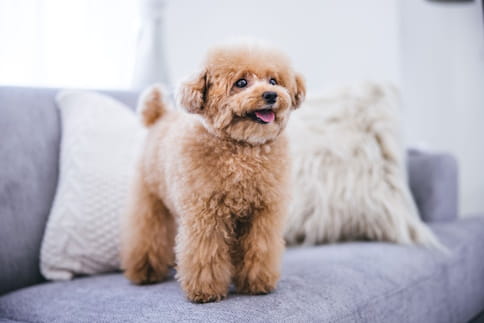
The typical curly, thick, and soft coat of the Poodle (whether Standard, Miniature, or Toy) is what makes them so universally loved. Although their fur tends to tangle if left untreated, this is one of the absolute best breeds for people who hate vacuuming dog hair.
- ✅ Care Tip: From 9 months onwards, a poodle’s puppy coat transitions into its adult curly coat. Remember that to prevent painful matting, you will have to brush them almost daily.
2. Maltese
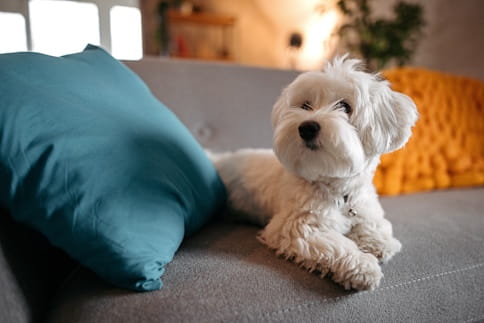
Boasting a stunning, pure white coat, the Maltese is a highly affectionate dog with a playful and happy character. Because this breed does not have a short undercoat (the layer of fur that usually sheds to regulate temperature), they leave almost zero hair around the house.
- ✅ Care Tip: If you have a Maltese, they will need their fur trimmed by a professional groomer every 6 to 8 weeks. Keep the hair around their eyes and muzzle trimmed short to ensure comfortable vision and hygiene.
3. Portuguese Water Dog
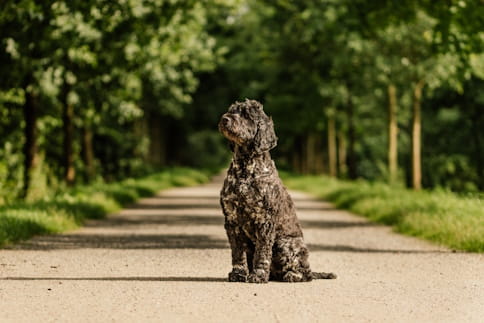
Whether it’s the Portuguese Water Dog or its Spanish cousin, both breeds are famous for being incredibly low shedders. Medium in size, their coat is thick, waterproof, and tightly curled, which helps the hair maintain a strong grip on the skin instead of falling onto your floor.
- ✅ Care Tip: Because the hair doesn’t fall out, it gets trapped in the curls. You must brush your water dog thoroughly every week to prevent severe dreadlocks from forming.
4. Yorkshire Terrier
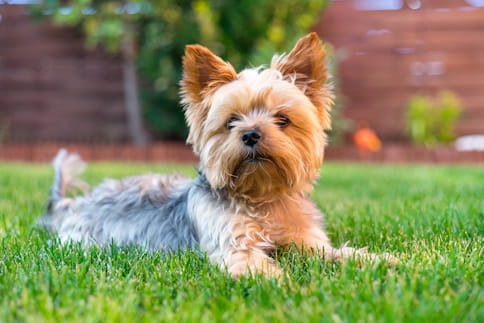
You’ve probably seen them everywhere, and for good reason. Yorkshire Terriers are an extremely popular small breed. Their «portable» size and their unique coat—which is more similar to human hair than typical dog fur—make them one of the top choices for people with mild pet allergies.
- ✅ Care Tip: The fine hair of a Yorkie acts like a broom, sweeping up dust and dirt from the floor. Therefore, they require frequent bathing with specialized dog shampoo.
5. Greyhound (Greyhound / Galgo)
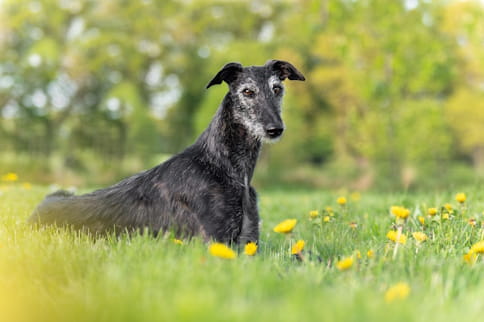
Are you one of those people who prefer large dogs but hate the shedding that usually comes with them? Greyhounds (like the Spanish Galgo) are one of the calmest and most affectionate large breeds in existence. They have a very short, smooth, single-layer coat that is highly unlikely to shed noticeably.
- ✅ Care Tip: Greyhounds have a special personality. They are incredibly fast but surprisingly lazy indoors, making them great apartment dogs. However, their thin skin means they get cold easily; invest in a good dog sweater for winter walks!
6. Shih Tzu
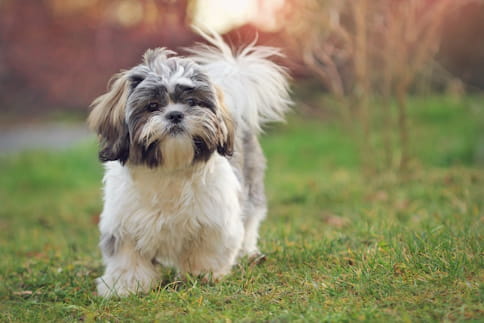
Interestingly, Shih Tzus can grow long, straight coats that cascade all the way to the floor. Despite this massive amount of hair, it is tightly attached to the skin, preventing it from shedding all over your house.
- ✅ Care Tip: Given the length of their fur, daily brushing is mandatory. If you don’t brush them, the dead hair will accumulate against the skin, causing severe tangles and potential skin infections.
7. Dachshund (Teckel)
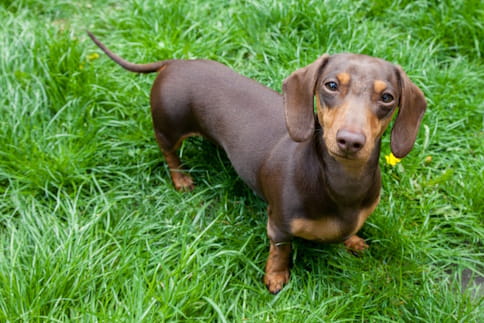
Better known as «sausage dogs» or «wiener dogs,» these courageous little hunters don’t grow much and barely shed. The smooth-haired variety has a very short, hard, and thick coat. You won’t have to work hard at all to clean their hair off your pillows.
- ✅ Care Tip: Dachshunds do experience mild hair renewal during the spring and autumn transitions. During these specific weeks, hair loss may be slightly noticeable, so increase your brushing routine.
8. Xoloitzcuintle (Mexican Hairless Dog)
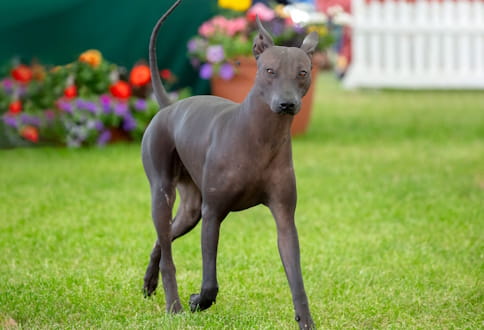
If you want absolutely zero hair, look to the hairless breeds! The Xoloitzcuintle (pronounced «show-low-eats-QUEENT-lee») is a rare breed of Mexican origin, and its skin is completely devoid of fur.
- ✅ Care Tip: Since the «Xolo» is completely naked, they are highly vulnerable to the elements. You must be very careful about applying dog-safe sunscreen in the summer to prevent severe sunburns, and provide warm coats in the winter.
9. Lhasa Apso
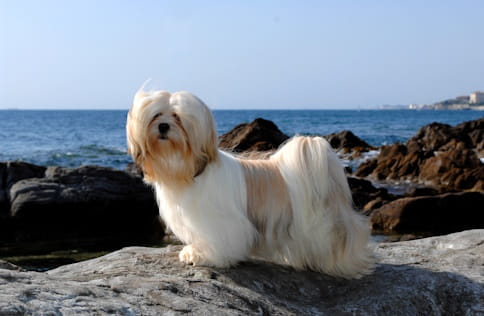
The Lhasa Apso is a small-to-medium dog originally bred to be an indoor sentinel in the Buddhist monasteries of Tibet. Like the Shih Tzu, they have very long, fine, and silky hair, which might lead you to think your house will be covered in fur. However, their shedding is incredibly minimal.
- ✅ Care Tip: To keep their coat shiny, healthy, and their specific color intact, you should brush them several times a week or keep them in a shorter «puppy cut.»
10. Fox Terrier (Wire)
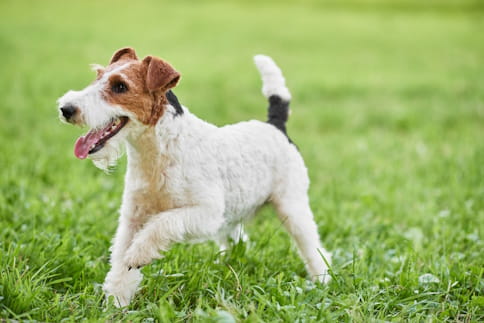
With a bold, energetic, and highly intelligent character, the Wire Fox Terrier is a fantastic medium-sized companion. They have a dense, wiry, slightly curly coat that acts like a tough jacket, keeping shedding to an absolute minimum.
- ✅ Care Tip: To maintain the rough texture of their coat, they require a specific grooming technique called «hand-stripping» every few months, rather than normal clipping.
💡 A Quick Tip from the Folime Team:
Even if your dog is small and doesn’t shed, all dogs are prone to doing silly things—like accidentally knocking over a neighbor’s vase or running into a cyclist. If you live in an apartment building or an urban area, looking into Pet Civil Liability Insurance is a highly affordable way to protect your finances from your dog’s unexpected acts!
Are There Truly «Hypoallergenic» Dog Breeds?
The scientific and medical community is very clear on this: There is no such thing as a 100% hypoallergenic dog.
Many people mistakenly believe that dog hair itself causes allergies. In reality, allergic reactions are triggered by specific proteins (allergens) found in a dog’s dander (dead skin flakes), saliva, and urine.
However, because low-shedding dogs (like Poodles and Schnauzers) drop far less hair and dander into the environment, the allergens stay trapped on the dog rather than floating in the air. This causes much milder symptoms, making it entirely possible for people with light allergies to live comfortably with these specific breeds.
Why Does Dog Hair Fall Out?
Coat replacement is a natural, seasonal phenomenon tied to temperature and sunlight. However, if your usually low-shedding dog suddenly starts losing clumps of hair, it could be due to one of these factors:
- High Stress or Anxiety: Just like humans, when a pet is in pain, stressed, or suffering from separation anxiety, intense hair loss can occur.
- High Temperatures: Unusually hot indoor heating during winter can confuse a dog’s body, triggering an unseasonal shedding phase.
- Hormonal Imbalances: Medical conditions like hypothyroidism or Cushing’s disease can cause severe cutaneous alopecia (bald patches). If you notice bald spots, visit a veterinarian immediately to check your pet’s health.
How to Remove Dog Hair from Sofas and Upholstery
If you do have a dog that leaves a little fur behind, you don’t need expensive vacuums to keep your house clean. Use these simple DIY tricks:
- The Rubber Glove Trick: Put on a standard rubber dishwashing glove, get it slightly damp with water, and rub your hand firmly over the sofa cushions. The wet rubber acts like a magnet, rolling the embedded dog hair into easily removable clumps.
- Squeegees: A clean window squeegee is phenomenal for scraping dog hair out of the trunk of your car or off short-pile carpets.
- Fabric Softener Spray: Mix a few drops of liquid fabric softener with water in a spray bottle. Lightly mist your upholstered furniture and wipe it with a microfiber cloth. The softener breaks the static electric bond holding the hair to the fabric.
Disclaimer: The information provided in this article by Folime is for educational and guidance purposes only. If you have severe pet allergies, consult with an allergist before bringing a new dog into your home. If your dog experiences sudden or severe hair loss, always seek the professional advice of a certified veterinarian.
latest posts published

Footwear Biomechanics: Why ‘Barefoot’ Shoes Are Dominating Modern Streetwear

The Vintage Revival: How to Source and Authenticate High-End Secondhand Fashion
Proportion Play: The Geometric Rules of Styling Oversized Garments Correctly
The Science of Fabric: Why Polyester is Damaging the Skin (And Healthier Alternatives)
Investment Pieces: The 5 Structural Garments Every Professional Wardrobe Requires

Decoding the Dress Code: A Modern Guide to ‘Smart Casual’ for the Hybrid Workplace

The Death of Fast Fashion: Why ‘Cost Per Wear’ is the Only Metric That Matters
Sustainable Fashion: How to Identify ‘Greenwashing’ When Purchasing Apparel
Dopamine Dressing: The Psychological Impact of Color on Daily Productivity