
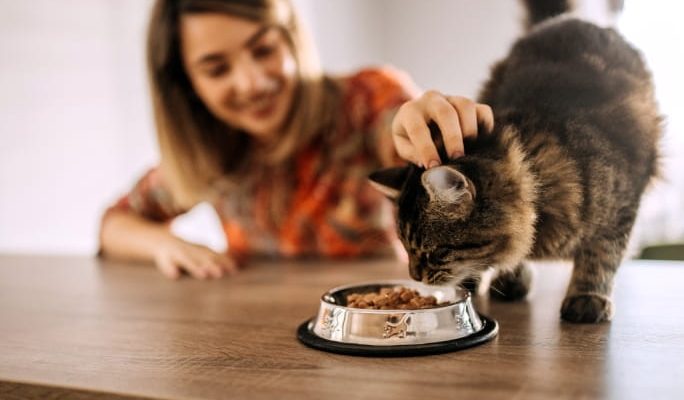
Feeding a cat seems simple enough: open a can or pour some kibble into a bowl, right? In reality, feline nutrition is highly complex. Cats are strictly «obligate carnivores,» meaning their bodies are biologically wired to process animal-based proteins and fats, with very little need for carbohydrates.
A cat’s nutritional needs change drastically as they transition from a playful kitten to a sleepy senior, or if they develop specific medical conditions like kidney disease. Feeding them the wrong food doesn’t just cause weight gain; it can lead to severe, life-threatening illnesses.
In this comprehensive guide by the Folime pet care team, we break down exactly how to feed your cat at every life stage, the human foods that are secretly toxic to them, and how to manage special diets for sensitive felines.
Fueling Growth: Healthy Food for Kittens
Due to the rapid growth phase they go through, kittens have incredibly high energy needs. Surprisingly, an 8-week-old kitten uses four times more energy than a fully grown adult cat, requiring roughly 250 kcal per kilogram of body weight!
Because their immune systems and bones are still developing, kittens need foods exceptionally rich in high-quality fats and proteins. This helps them transition safely from their mother’s milk to solid food.
Always choose specific «Kitten Formula» dry food (kibble) or wet food (pâté), as adult formulas will not provide the dense nutrients they need. If you attempt to prepare your kitten’s food at home, you must consult an animal nutritionist to avoid causing fatal bone density issues from calcium deficiencies.
The Golden Feeding Schedule for Kittens:
- Under 3 months old: Feed them small portions 4 times a day.
- Between 3 and 6 months: Reduce to 3 times a day.
- Older than 6 months: Transition to the standard 2 meals a day.
(Pro Tip: Try to feed them at the exact same times every day to create a comforting, predictable feeding rhythm).
The Danger Zone: 15 Foods You Must Never Give Your Cat
Cats are curious creatures and will often beg for a taste of your dinner. However, to prevent your cat from getting severely sick, you must strictly keep them away from these household foods:
- ❌ Milk and Dairy: Despite the famous cartoon trope, after weaning, most cats develop severe lactose intolerance. Giving them a saucer of cow’s milk will almost certainly cause painful diarrhea and vomiting.
- ❌ Chocolate, Coffee, and Tea: These contain theobromine and caffeine. Cats cannot metabolize these compounds, making them highly toxic and potentially fatal, causing heart arrhythmias and seizures.
- ❌ Onions, Garlic, Leeks, and Chives: These vegetables from the Allium family are incredibly dangerous. They destroy your pet’s red blood cells, causing severe anemia and respiratory failure.
- ❌ Grapes and Raisins: These fruits contain an unknown toxin that causes rapid, acute kidney failure in both cats and dogs.
- ❌ Avocado: This fruit is extremely fatty and contains persin, a fungicidal toxin that can cause vomiting and heart congestion in felines.
- ❌ Fatty Meats (Ham and Sausages): Highly processed meats are loaded with salt and fat that cats cannot easily digest, leading to severe gastric disorders and potentially pancreatitis.
- ❌ Raw Potatoes: Contain solanine, which causes digestive problems and painful urinary stones.
- ❌ Raw Egg Whites: Contain a protein called avidin, which binds to Vitamin B7 (biotin) and prevents its absorption, severely disrupting your cat’s metabolism and skin health.
- ❌ Raw Fish: In addition to the risk of parasites, raw fish contains thiaminase, an enzyme that destroys Vitamin B1. A lack of Vitamin B1 leads to severe neurological disorders and even comas.
- ❌ Cooked Bones: Never give your cat cooked chicken or fish bones. They become brittle when cooked and can easily splinter, piercing the cat’s palate, throat, or intestines.
Special Diets for Unique Needs
As your cat ages, their health status will change. You must adapt their diet accordingly.
1. The Allergic Cat
Does your cat suffer from chronic diarrhea, vomiting, relentless itching, and hair loss? They likely have a food allergy. Start by making an appointment with your vet to establish a strict «exclusion diet» for 12 weeks.
The goal is to eliminate the proteins that most often cause allergic reactions (like beef, chicken, dairy, or wheat) by feeding them a «novel protein» they have never eaten before (like duck or venison). Once the symptoms clear up, you reintroduce the old foods one by one to identify the exact culprit.
2. The Neutered/Spayed Cat
As a general rule, sterilization drastically changes your cat’s metabolism and behavior. Because the reproductive urge is gone, they become less active, sleep more, and their daily caloric needs drop by nearly 30%. If you keep feeding them their old portions, they will rapidly become obese.
You must transition them to a specific «Sterilized Cat» formula, which is lower in calories but high in fiber to keep them feeling full.
3. The Cat with Kidney Failure
Chronic Kidney Disease (CKD) is one of the most common causes of death in cats over 7 years of age. If your cat’s kidneys begin to fail, a highly specific medical diet is the absolute best way to slow the disease and extend their life expectancy.
A kidney-friendly diet must be:
- Rich in Moisture: Cats with CKD urinate frequently and become dehydrated easily. Switch entirely to wet (canned) food to force water into their system.
- Low in Phosphorus: Damaged kidneys cannot filter out phosphorus. High levels in the blood will make your cat incredibly sick. Renal diets strictly limit this mineral.
- High-Quality, Moderate Protein: The body produces toxic waste when it digests protein. A renal diet uses smaller amounts of extremely high-quality protein to reduce the workload on the failing kidneys.
- Low in Sodium: To prevent high blood pressure, which further damages the kidneys.
💡 A Pet Care Tip from the Folime Team:
Veterinary prescription diets (like those required for kidney failure or severe allergies) can be incredibly expensive compared to supermarket brands. Furthermore, diagnosing these issues requires blood tests and ultrasounds. We highly recommend looking into comprehensive Pet Health Insurance while your cat is still young and healthy. A good policy will reimburse a large percentage of diagnostic tests, surgeries, and sometimes even specialized therapeutic diets, ensuring you never have to compromise on your best friend’s health due to cost!
Disclaimer: The information provided in this article by Folime is for educational and guidance purposes only. It is not intended to replace professional veterinary advice. If your cat is vomiting, refusing to eat for more than 24 hours, or showing signs of illness, consult a certified veterinarian immediately.
latest posts published

Footwear Biomechanics: Why ‘Barefoot’ Shoes Are Dominating Modern Streetwear

The Vintage Revival: How to Source and Authenticate High-End Secondhand Fashion

Proportion Play: The Geometric Rules of Styling Oversized Garments Correctly
The Science of Fabric: Why Polyester is Damaging the Skin (And Healthier Alternatives)

Investment Pieces: The 5 Structural Garments Every Professional Wardrobe Requires

Decoding the Dress Code: A Modern Guide to ‘Smart Casual’ for the Hybrid Workplace

The Death of Fast Fashion: Why ‘Cost Per Wear’ is the Only Metric That Matters
Sustainable Fashion: How to Identify ‘Greenwashing’ When Purchasing Apparel

Dopamine Dressing: The Psychological Impact of Color on Daily Productivity