
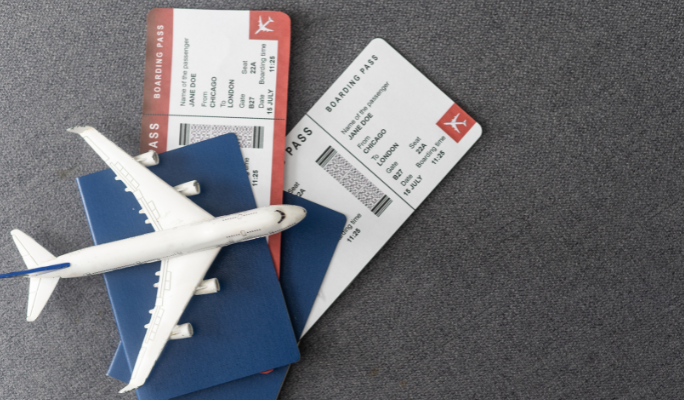
If you are thinking of traveling by plane for your next holiday, take a deep breath and don’t worry: aviation remains the absolute safest means of transport in the world.
However, while you are statistically incredibly safe in the air, the logistics of modern travel on the ground are a different story. If you plan to check a bag or have a tight connection in a busy international hub, there are certain mathematical realities you should prepare for.
Travel is in our blood. In fact, post-pandemic tourist trips to foreign countries have skyrocketed, with millions of people eager to explore the world again. If you are part of this growing list of globetrotters, it is important to understand the hidden statistics behind your itinerary.
Discover these 5 surprising numbers that accompany you on your journey—and prove why every trip should begin with a solid backup plan.
1. Safety: 1 Accident Every 351,000 Flights
Let’s start with the best news. The plane is the safest means of transport ever invented, and the numbers prove it unequivocally. You are statistically ten times more likely to get into an accident driving your car to the airport than you are while flying. According to global aviation data, the chance of being involved in a commercial airline crash is roughly 0.000017%. Rest, relax, and enjoy the in-flight movie, knowing you are in the safest hands possible.
2. Lost Luggage: 6 out of Every 1,000 Bags
While airline safety is nearly perfect, baggage handling is not. Although tracking technology is improving, global statistics show that every year, roughly 6 out of every 1,000 bags are lost, delayed, or misrouted at airports around the world.
To put that into perspective: on a fully booked Airbus A320 (the most popular passenger plane in the world, seating around 160 people), mathematical odds dictate that at least one passenger on your flight will not see their suitcase arrive on the conveyor belt at your destination. Always pack your essential medications and a change of clothes in your carry-on!
3. Flight Delays: The 27% Reality
Arriving at your destination on time can make or break a business trip or a carefully planned vacation. However, relying on split-second punctuality in aviation is risky. Looking at European air traffic data, it is common for up to 27% of commercial flights to take off or arrive late. This means more than 1 in 4 flights will experience some form of delay. If you are booking a connecting flight, never leave yourself a layover window of less than 90 minutes.
4. Passenger Complaints: 8,000 Official Disputes
When things go wrong at the airport, frustrations boil over. In domestic airports alone, civil aviation authorities frequently register nearly 8,000 official passenger complaints per year. At the absolute top of this list are disputes regarding delays that make scheduled flight connections impossible, sudden flight cancellations, and the dreaded «denied boarding» due to airline overbooking.
5. Winter Sports Injuries: 6.7 vs. 0.9
Is your air travel destined for the snowy mountains? If you are flying out to go snowboarding or skiing, you need to look at the numbers on the slopes. A massive study conducted in the United States over a decade showed a stark difference between the two sports. Snowboarders typically suffer 6.7 injuries per 1,000 days of activity (usually wrist and shoulder fractures), whereas traditional skiers suffer just 0.9 injuries in the same period (typically knee strains).
How to Prepare for the Numbers (The Travel Backup Plan)
You cannot control the weather, the baggage handlers, or the airline’s schedule. But you can control how these numbers affect your wallet.
Start preparing for your air travel by gathering all your necessary documents and checking vaccination requirements well in advance. But most importantly, never board a plane without comprehensive Travel Insurance. You only have to pay a small premium once before you leave, and it acts as an invisible financial shield until you return home.
How does Travel Insurance protect you from these statistics?
- Baggage Protection: If your bag is one of the unlucky 6 out of 1,000, insurance provides immediate compensation so you can buy clothes and toiletries at your destination while the airline searches for your luggage.
- Missed Connections: If that 27% delay rate causes you to miss a connecting flight, insurance covers the cost of an unexpected hotel stay and meals for the night.
- Trip Cancellation: Reimburses your expensive non-refundable flights and hotel bookings if you must cancel due to severe illness or force majeure.
- Medical Emergencies Abroad: If you fall into that snowboarding injury statistic, travel insurance covers the exorbitant costs of foreign hospital bills, surgeries, and even emergency medical repatriation back to your home country.
💡 A Travel Tip from the Folime Team:
Standard credit card travel insurance often has very low coverage limits and tricky fine print. If you are planning an active holiday (like skiing, surfing, or hiking), always ensure you add a specific «Extreme Sports» rider to your travel insurance policy so you aren’t left paying out of pocket for a mountain rescue!
latest posts published

Footwear Biomechanics: Why ‘Barefoot’ Shoes Are Dominating Modern Streetwear

The Vintage Revival: How to Source and Authenticate High-End Secondhand Fashion

Proportion Play: The Geometric Rules of Styling Oversized Garments Correctly

The Science of Fabric: Why Polyester is Damaging the Skin (And Healthier Alternatives)

Investment Pieces: The 5 Structural Garments Every Professional Wardrobe Requires

Decoding the Dress Code: A Modern Guide to ‘Smart Casual’ for the Hybrid Workplace

The Death of Fast Fashion: Why ‘Cost Per Wear’ is the Only Metric That Matters

Sustainable Fashion: How to Identify ‘Greenwashing’ When Purchasing Apparel

Dopamine Dressing: The Psychological Impact of Color on Daily Productivity