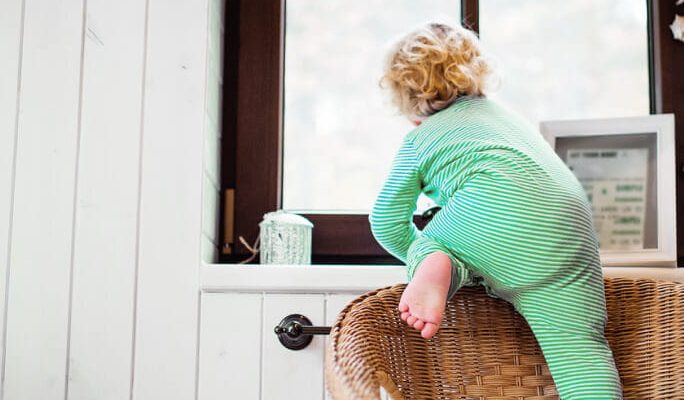
Hits to the head, falls from high places, accidental poisoning, and severe burns. Did you know that more than half of all accidents involving young children happen right inside their own homes?
Contrary to what one might think, the safety of children at home is still highly neglected. We often focus so much on protecting them outside—holding their hands in the street or buckling them into car seats—that we lower our guard the moment we walk through the front door.
We are not suggesting that you turn your beautiful home into a padded, plastic dome. However, parents must seriously evaluate their living space, attempting to minimize hidden risks without destroying the home’s comfort and habitability.
Can you make your house stylish and safe at the same time? Absolutely. Here is the Folime team’s 10-point checklist to baby-proof your home and promote child safety.
1. Never Leave Them Completely Unsupervised
As far as possible, avoid leaving toddlers alone in any room of the house. When they are little, constant vigilance is your first line of defense. However, we know it is impossible to watch them every single second; you have to check the food on the stove, answer the phone, or open the door for a delivery.
To avoid tragedies, remember that these specific situations require 100% of your attention:
- Bath Time: Never leave a child alone in the tub, not even for ten seconds to grab a towel. A child can drown in just a few inches of water.
- Elevated Surfaces: A baby sitting on a sofa, a bed, or a dining chair can easily roll off and suffer a severe head injury.
- Eating: Never take your attention away while a toddler is chewing solid food, as silent choking can happen instantly.
2. Check for the «CE» Mark on Toys
Toys are supposed to be fun, but cheap, unverified toys can pose massive choking and chemical hazards. Always make sure the toys you buy carry the European «CE» mark. This seal guarantees that the manufacturer has passed all European child safety tests and that the paint and plastics used do not pose any toxic risk.
3. Limit Access to the Kitchen (The Danger Zone)
Unless you are actively eating meals, the kitchen is the most dangerous room in the house for little ones. Access should be restricted.
- The Stove: If possible, consider replacing gas and glass-ceramic hobs with an induction hob. Because induction uses magnetic fields, the actual glass surface rarely gets hot enough to cause severe burns if a child touches it.
- Hot Liquids: Do not carry boiling water or hot coffee cups while children are playing or crawling around your feet. Make sure all hot food handling is done strictly on the countertops.
- Sharp Objects: Store all knives, heavy scissors, and graters in a high drawer or a locked cabinet completely out of reach.
- ✅ Folime Tip: Purchase a heat-resistant oven lock. This simple device blocks the oven door from being opened and covers the dials, preventing your toddler from accidentally turning the gas on.
4. Monitor Gas and Electric Heaters
During the coldest days of the winter, many families use portable gas or electric space heaters. While effective, the metal surfaces of these appliances become dangerously hot. Always keep children under strict supervision when these are turned on, and place a physical fireguard around the heater to prevent them from touching the hot metal and suffering third-degree burns.
5. Install Magnetic Drawer and Cabinet Locks
Curious toddlers love to open lower cabinets, which are usually where we store dangerous cleaning chemicals, bleach, and heavy pots. You can drastically increase child safety by installing internal magnetic safety locks on all lower drawers and furniture doors. They are invisible from the outside (keeping your kitchen looking nice) but impossible for a child to pull open.
6. Anchor Heavy Furniture to the Wall
As babies learn to walk, they tend to use furniture to pull themselves up. The safety of children at home is frequently compromised by large, unstable furniture—such as heavy bookshelves, freestanding wardrobes, or televisions placed on low stands. You must buy inexpensive safety brackets and secure these heavy items directly to the wall studs to prevent them from tipping over and crushing the child.
7. Install Security Locks on Windows
Installing simple security cables or child-proof locks on your windows prevents children from opening them wide enough to fall out. It is a simple system that doesn’t cause any discomfort to an adult who wants fresh air, but it keeps children safely away from the windowsill.
8. Tie Up Long Curtains and Blind Cords
When children are learning to stand, they will grab onto anything—including your living room curtains. If they pull hard enough, the heavy metal curtain rod is likely to detach from the wall and fall on their head. To avoid accidents, buy shorter curtains or use a decorative cord to tie them high up. Furthermore, strictly ensure that all window blind cords are tied in a high knot so they do not pose a strangulation hazard.
9. Use Certified Safety Gates
Safety gates (barriers) are essential for limiting a crawling baby’s access to dangerous areas, particularly the top and bottom of staircases.
Important Safety Note: If you choose to put safety nets on your windows to prevent falls, never install permanent metal bars. In the event of a house fire, metal bars compromise the only emergency escape route for you and the firefighters! Always choose certified, heavy-duty synthetic fall protection nets.
10. Utilize Smart Baby Monitors
Technology is a parent’s best friend. Use video surveillance cameras (baby monitors) when they are sleeping in their room or playing independently. Parents can always be aware of what is happening. Modern models feature built-in microphones, allowing you to hear if they are crying and communicate with them instantly.
The Reality of Domestic Accidents in Portugal
Why is this list so important? Because the statistics cannot be ignored. According to recent reports by the Doutor Ricardo Jorge National Institute of Health (INSA), domestic accidents are the leading cause of emergency room visits for children in Portugal. Falls from furniture, accidental poisonings from unlocked cabinets, and burns in the kitchen account for tens of thousands of hospital admissions every year.
By taking one weekend to walk through your house and implement these 10 simple measures, you can transform your home from a potential hazard zone into a true safe haven for your family.
Disclaimer: The information provided in this article by Folime is for educational and child-safety awareness purposes only. Always supervise young children closely and follow the manufacturer’s installation instructions when using child-proofing equipment.