
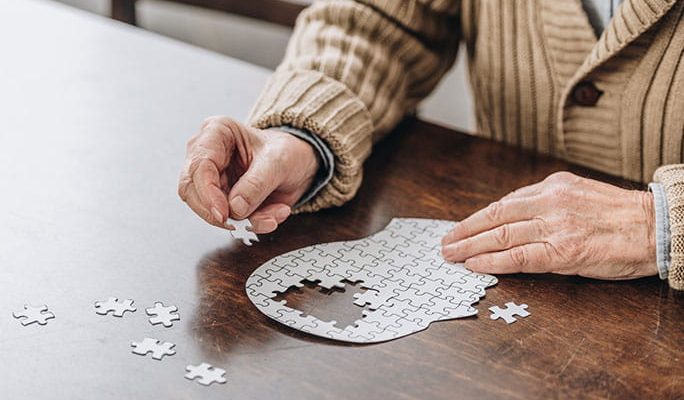
If you are caring for a family member with Alzheimer’s disease or another type of dementia, you already know how quickly their needs can change. It is helpful—and vital—to understand how the physical and cognitive symptoms associated with the disease can lead to severe security problems at home.
Having this awareness allows you to make proactive changes that help prolong the independence, dignity, and quality of life of people with dementia. At the same time, it ensures their environment becomes as safe and comfortable as possible.
In Portugal alone, it is estimated that at least 200,000 people suffer from some type of dementia, with Alzheimer’s accounting for up to 75% of those cases. In this Folime caregiving guide, we break down the main risks and the best ways to adapt your home to protect a person suffering from cognitive decline.
The Main Risks Associated with Dementia
Dementia affects much more than just memory. While struggling to remember names is a hallmark symptom, the disease eventually impacts spatial awareness, vision, and mobility.
Cognitive decline exposes patients to severe daily dangers. They might turn on the gas stove to heat a kettle and completely forget about it, or wander out the front door and become disoriented.
Furthermore, late-stage dementia has a heavy physical impact. It causes muscle weakness and drastically reduces their ability to balance, walk, or get up from a chair. Because the risk of falling becomes incredibly high, implementing a series of environmental precautions is the best way to prevent catastrophic injuries.
General Home Safety Tips for Alzheimer’s Patients
Adapting your home does not mean it has to look like a hospital. These changes can be simple, inexpensive, and unintrusive. Small visual changes make a massive difference to a brain struggling to process information.
- Avoid Shiny Floors: If you are redecorating, opt for floors and walls in matte finishes. To a person with dementia, a highly polished, shiny surface looks like a puddle of water or a slippery sheet of ice, causing them to freeze in fear or alter their gait, leading to falls.
- Choose Solid Colors: Heavily patterned carpets or busy wallpaper can create severe visual confusion and even trigger hallucinations. Choose simple, contrasting colors so they can easily distinguish the floor from the wall.
- Maintain Consistent Flooring: Try to use the exact same type and color of flooring transitioning from room to room. A sudden change in color (like dark wood meeting white tile) can look like a physical step or a deep hole to a dementia patient.
Making the Bathroom Safe (The High-Risk Zone)
The bathroom is statistically the most dangerous room in the house due to hard, slippery surfaces. We highly suggest you:
- Remove Throw Rugs: Completely eliminate small bathmats or loose rugs. They are massive trip hazards. If you need a mat, it must be firmly glued or suctioned to the floor.
- Keep it Dry: Always keep the floor meticulously clean and dry to prevent slipping.
- Check the Sink Overflows: Ensure your sink and bathtub have functional overflow drains. It is very common for patients to turn on the tap, get distracted, and flood the bathroom.
- Install Grab Bars: Install heavy-duty, brightly colored metal grab bars inside the shower and next to the toilet to help them sit down and stand up safely.
Adapting the Kitchen
The kitchen contains fire, sharp objects, and toxic chemicals, making it a critical zone to secure.
- Secure the Stove: Consider installing hidden gas shut-off valves or buying knob covers for the stove so they cannot accidentally turn on the burners.
- Hide the Chemicals: Move all cleaning supplies (bleach, dish pods) to a high, locked cabinet. A person with advanced dementia may mistake brightly colored cleaning liquids for juice.
- Clear the Counters: Keep the countertops free of clutter. Only leave out safe, familiar items, like a bowl of fresh fruit, to prevent overwhelming their senses.
How to Adapt the Lighting
As people age, their pupils shrink and let in less light. A well-lit environment prevents shadows (which can cause terrifying visual hallucinations) and drastically reduces the risk of falls.
- Maximize Natural Light: Keep curtains and blinds wide open during the day. Sunlight helps regulate their circadian rhythm, improving nighttime sleep.
- Upgrade the Bulbs: Install high-wattage, warm-toned LED bulbs in all main ceiling fixtures.
- Automate the Night: Nighttime wandering is a huge risk. Use low-intensity plug-in night lights or install automatic motion-sensor lights along the baseboards in the corridors and landings. This ensures that if they wake up to use the bathroom, their path is safely illuminated without them having to search for a light switch.
💡 A Health Tip from the Folime Care Team:
If you have a family member who is showing early signs of memory loss or profound confusion, do not wait for a crisis to happen. Book a consultation with a neurologist as soon as possible. While there is currently no cure for Alzheimer’s, trying to diagnose dementia quickly can make a massive difference. Early intervention allows doctors to prescribe medications that can significantly slow the progression of symptoms, preserving the patient’s autonomy and safety for much longer.
Disclaimer: The information provided in this article by Folime is for educational and caregiving awareness purposes only. It is not intended as a substitute for professional medical advice, diagnosis, or treatment. Always consult with a neurologist or a certified occupational therapist for specific advice regarding home modifications.
latest posts published

Footwear Biomechanics: Why ‘Barefoot’ Shoes Are Dominating Modern Streetwear

The Vintage Revival: How to Source and Authenticate High-End Secondhand Fashion

Proportion Play: The Geometric Rules of Styling Oversized Garments Correctly

The Science of Fabric: Why Polyester is Damaging the Skin (And Healthier Alternatives)

Investment Pieces: The 5 Structural Garments Every Professional Wardrobe Requires

Decoding the Dress Code: A Modern Guide to ‘Smart Casual’ for the Hybrid Workplace

The Death of Fast Fashion: Why ‘Cost Per Wear’ is the Only Metric That Matters
Sustainable Fashion: How to Identify ‘Greenwashing’ When Purchasing Apparel

Dopamine Dressing: The Psychological Impact of Color on Daily Productivity