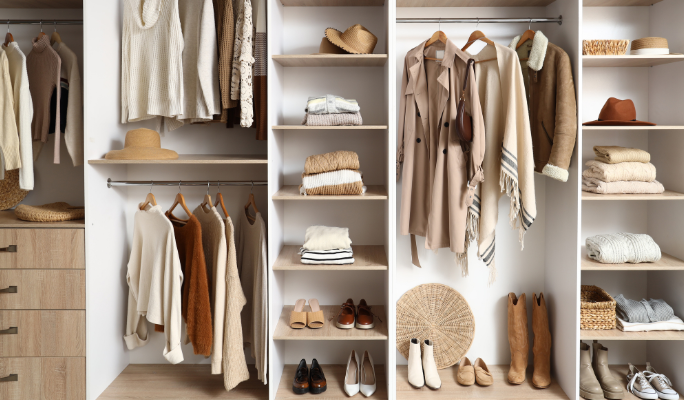
Historically, the global fashion industry has been analyzed almost exclusively through the lenses of aesthetics, cultural trends, and socio-economic status. Clothing is widely understood as a tool for external communication—a method of signaling personal identity to the outside world. However, modern psychological research has uncovered a far more profound, internal function of apparel.
The garments an individual chooses to wear do not merely change how others perceive them; those garments fundamentally alter the wearer’s own brain chemistry, cognitive performance, and emotional baseline.
During periods of global stress or economic downturns, behavioral psychologists observe a sharp spike in the consumption of brightly colored, highly saturated garments. This behavioral coping mechanism is clinically referred to as Dopamine Dressing.
In this comprehensive psychological analysis, the Folime Fashion Team explores the neuroscience behind «Enclothed Cognition,» the biological impact of chromatic stimulation on the human nervous system, and how modern professionals can strategically utilize color to optimize their daily productivity and emotional resilience.
The Neuroscience of ‘Enclothed Cognition’
To understand Dopamine Dressing, one must first examine the foundational science of how apparel interacts with the brain.
In 2012, researchers Hajo Adam and Adam Galinsky from Northwestern University published a groundbreaking study introducing the concept of Enclothed Cognition. This term describes the systematic influence that clothes have on the wearer’s psychological processes.
The researchers conducted an experiment where subjects were asked to perform tasks requiring intense focus and attention to detail. Half the subjects wore their standard clothing, while the other half were instructed to wear a white laboratory coat. The subjects wearing the white lab coats made significantly fewer errors and demonstrated vastly higher levels of sustained attention.
The brain intrinsically associates specific garments with specific psychological archetypes. Because the subjects associated the lab coat with the careful, rigorous attributes of a scientist or medical doctor, their brains unconsciously adopted those exact cognitive traits.
When applied to daily fashion, Enclothed Cognition dictates that clothing is essentially a cognitive primer. If an individual wears a garment they deeply associate with joy, power, or creativity, the brain releases a corresponding surge of neurotransmitters—specifically dopamine, the chemical responsible for motivation, pleasure, and reward.
The Chromodynamics of Mood (The Color Matrix)
While the cut and fabric of a garment influence cognitive framing, the most immediate neurochemical trigger is color.
When the human eye processes the specific light wavelengths of different colors, signals are transmitted directly to the hypothalamus. This region of the brain governs the endocrine system, regulating hormones, sleep cycles, and emotional states. By intentionally selecting specific colors, an individual can essentially «biohack» their daily mood and productivity levels.
1. High-Frequency Colors: The Stimulants
Colors with longer light wavelengths—such as red, bright orange, and vivid yellow—are highly stimulating to the autonomic nervous system.
- Red: Clinical studies show that viewing the color red temporarily increases heart rate and blood flow. In a sartorial context, wearing red is highly effective for days requiring assertiveness, negotiation, or public speaking, as it naturally induces a state of heightened physiological readiness.
- Yellow: Yellow mimics the frequency of sunlight, directly stimulating the production of serotonin. It is the ultimate antidote to lethargy and is highly recommended for creative brainstorming environments where optimism and expansive thinking are required.
2. Low-Frequency Colors: The Stabilizers
Colors with shorter wavelengths—such as blue, green, and cool violet—have a distinctly parasympathetic effect on the body, actively lowering the heart rate and reducing cortisol (stress hormone) levels.
- Blue: Blue is universally recognized in color psychology as the hue of logic, stability, and calm. Wearing deep, saturated blues is highly advantageous for professionals executing complex, data-heavy tasks that require hours of sustained, unbothered focus.
- Green: Because the human eye is biologically adapted to process green with the least amount of optical strain, it acts as a visual resting point. Green garments are optimal for high-stress environments, acting as a stabilizing anchor for the wearer’s nervous system.
Strategic Application: ‘Micro-Dosing’ Color
A common misconception regarding Dopamine Dressing is that it requires an individual to dress entirely in neon, clashing colors from head to toe. For professionals working in conservative corporate environments or those who prefer a minimalist aesthetic, adopting a neon wardrobe is neither practical nor desired.
Instead, fashion psychologists recommend a strategy known as Color Micro-Dosing.
Micro-dosing involves maintaining a neutral, sophisticated base wardrobe (utilizing blacks, grays, navies, and camels) while injecting highly intentional, microscopic bursts of dopamine-triggering colors.
This can be achieved through strategic accessorizing. A vivid emerald green silk scarf, a pair of bright crimson leather loafers, or a vibrant cobalt blue watch strap allows the wearer to experience the psychological benefits of chromatic stimulation without violating professional dress codes or compromising a refined personal aesthetic. The brain registers the bright color in the wearer’s peripheral vision throughout the day, ensuring a steady, subtle drip of dopamine.
The Role of Tactile Stimulation (Texture)
While color is the primary driver of Dopamine Dressing, tactile sensation serves as a powerful secondary trigger. The skin is the largest organ in the human body, and the sensory input from textiles directly impacts the nervous system.
Synthetic, rigid, or scratchy fabrics (such as poorly manufactured polyester or heavy acrylic) create constant, low-level physical friction. This friction registers in the brain as a minor environmental stressor, slowly depleting cognitive energy over an eight-hour workday.
Conversely, luxurious, soft textiles—such as pure cashmere, heavy-weight silk, or brushed cotton—provide positive tactile feedback. The sensation of high-quality fabrics against the skin releases oxytocin and endorphins, providing a continuous sense of physical comfort and emotional security that drastically enhances overall productivity.
Frequently Asked Questions (FAQ)
Does wearing black actually increase personal confidence?
Yes, but through a different psychological mechanism than bright colors. In color psychology, black is not a stimulant; it is an «armor» color. It absorbs light and communicates authority, seriousness, and impenetrability. For many individuals, wearing all black provides a deep sense of psychological safety and protection, which translates externally as high confidence.
Will Dopamine Dressing work if the individual inherently dislikes the color they are wearing?
Absolutely not. Enclothed Cognition relies heavily on the wearer’s personal, associative memory. If a psychological study claims that yellow brings joy, but an individual associates yellow with an uncomfortable childhood uniform or an unpleasant memory, wearing yellow will trigger cortisol, not dopamine. True Dopamine Dressing requires the individual to select colors and garments that genuinely evoke positive internal responses based on their unique life experiences.
💡 A Fashion Tip from the Folime Team:
«For individuals who operate in extremely strict, uniform-based environments (such as healthcare, law, or high-level finance) where external bright colors are strictly prohibited, Dopamine Dressing can be practiced covertly. The psychological benefits of Enclothed Cognition still apply even if the wearer is the only person who knows the garment exists. Investing in vibrant, luxurious undergarments, brightly patterned socks hidden beneath trousers, or jackets with intensely colorful interior linings provides a ‘secret’ psychological boost of autonomy and joy that entirely bypasses professional dress codes.»
Disclaimer: The psychological and behavioral frameworks discussed in this article by the Folime team are intended for educational and personal styling purposes only. While color psychology and sartorial choices can significantly enhance daily mood and productivity, they are not a substitute for professional medical treatment. Individuals experiencing chronic depression, severe anxiety, or mood disorders should seek guidance from a licensed mental health professional.
latest posts published
Footwear Biomechanics: Why ‘Barefoot’ Shoes Are Dominating Modern Streetwear

The Vintage Revival: How to Source and Authenticate High-End Secondhand Fashion
Proportion Play: The Geometric Rules of Styling Oversized Garments Correctly
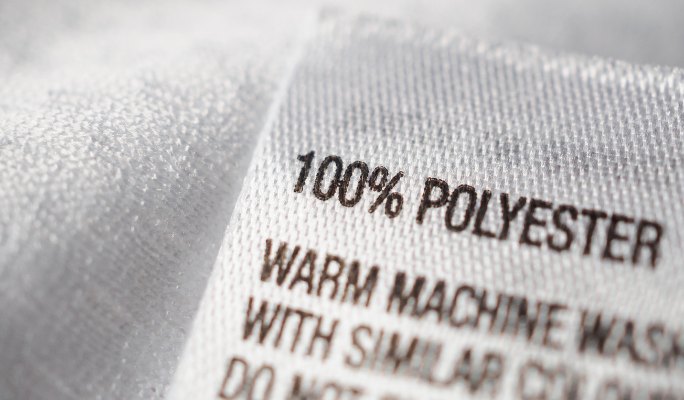
The Science of Fabric: Why Polyester is Damaging the Skin (And Healthier Alternatives)
Investment Pieces: The 5 Structural Garments Every Professional Wardrobe Requires

Decoding the Dress Code: A Modern Guide to ‘Smart Casual’ for the Hybrid Workplace
The Death of Fast Fashion: Why ‘Cost Per Wear’ is the Only Metric That Matters
Sustainable Fashion: How to Identify ‘Greenwashing’ When Purchasing Apparel
Dopamine Dressing: The Psychological Impact of Color on Daily Productivity