
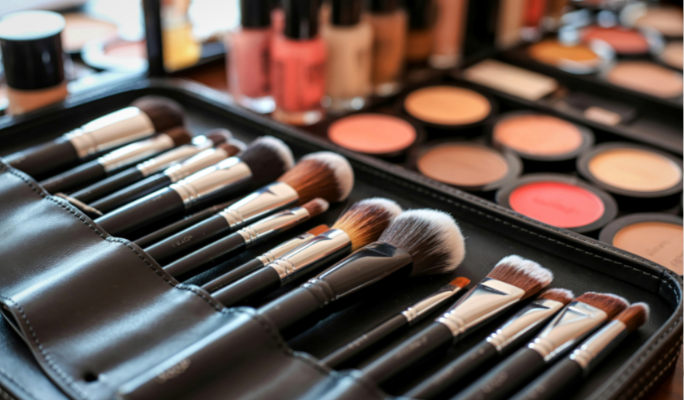
You invest heavily in luxury serums, you religiously double-cleanse every night, and you drink two liters of water a day. Yet, you are still experiencing mysterious, painful acne breakouts along your cheeks and jawline.
Before you blame your hormones or throw away your expensive foundation, ask yourself one brutal, honest question: When was the last time you actually washed your makeup brushes?
If you are like the vast majority of makeup wearers, the answer is probably «months ago.»
Dirty makeup brushes are a microscopic nightmare. They are a breeding ground for stale foundation, dead skin cells, natural face oils, and massive colonies of bacteria. Every time you use a dirty brush, you are smearing that rotting bacterial paste directly back into your clean pores.
Not only does this trigger severe acne and eye infections, but dirty brushes also ruin the application of your makeup, making it look streaky and muddy. Here is the Folime step-by-step guide on how to professionally clean your brushes to protect your skin and prolong the life of your expensive tools.
How Often Should You Clean Them?
Dermatologists and professional makeup artists are very strict about this rule:
- Foundation and Concealer Brushes (Liquid Products): These must be washed at least once a week. Liquid products remain wet deep inside the bristles, creating the perfect damp environment for bacteria and mold to multiply rapidly.
- Powder and Eyeshadow Brushes: These can be washed every two weeks, as dry powders do not breed bacteria as quickly as liquids.
- Beauty Sponges (Blenders): These must be washed after every single use. Because you physically soak them in water to use them, a damp sponge left in a dark makeup bag will grow toxic mold in a matter of days.
Step-by-Step: The Ultimate Deep Cleaning Routine
You do not need to buy expensive, heavily fragranced chemical brush cleaners. The most effective way to clean your brushes requires just two cheap household items: a gentle baby shampoo (or a mild dish soap for heavy foundation) and lukewarm water.
Step 1: The Pre-Rinse (Always Point Down!)
Turn on the tap to lukewarm water. Take your dirty brush and rinse the bristles under the running water to remove the loose, top layer of makeup.
- ⚠️ Crucial Warning: Never hold the brush pointing upward into the running water! If water gets inside the metal band (the ferrule) that holds the bristles together, it will dissolve the internal glue. Within weeks, your expensive brush will begin shedding bristles all over your face and eventually fall apart entirely. Always keep the brush pointing downward.
Step 2: The Deep Massage
Squeeze a drop of gentle baby shampoo into the palm of your clean hand or onto a textured silicone cleansing mat. Gently swirl the wet bristles into the soap using circular motions. You will immediately see the water turn beige or brown as the old makeup dissolves.
Step 3: Rinse and Repeat
Rinse the bristles thoroughly under the downward-flowing tap. If the water runs dirty, repeat Step 2. Keep swirling and rinsing until the water runs 100% crystal clear and the bubbles are bright white.
Step 4: Squeeze Out the Excess
Once the brush is totally clean, turn off the tap. Gently squeeze the wet bristles between your thumb and index finger to push out the excess water. Use your fingers to reshape the wet bristles back into their original, perfect shape.
How to Dry Your Brushes Correctly (Do Not Use a Hairdryer!)
The drying process is where most people accidentally destroy their brushes.
- ❌ The Mistakes: Never blast your brushes with a hot hairdryer! The extreme heat will instantly melt synthetic bristles and permanently fry natural animal hair. Furthermore, never dry your brushes standing upright in a cup. Gravity will pull the remaining water straight down into the glue, rotting the wooden handle from the inside out.
- ✅ The Professional Method: Lay a clean, dry microfiber towel flat on the edge of a table or counter. Lay your wet brushes completely flat on the towel. To ensure perfect air circulation and prevent mildew, arrange the brushes so that the wet bristle heads are hanging slightly off the physical edge of the table, suspended in the air. Let them air-dry overnight.
💡 A Hygiene Tip from the Folime Team:
If you suffer from frequent eye infections, styes, or pink eye (conjunctivitis), your dirty eyeliner brushes and mascara wands are likely the culprits. The mucosal lining of the eye is incredibly vulnerable to bacteria. Be ruthless: wash your eye brushes religiously every weekend, and absolutely never share your mascara or eyeliner pencils with your friends!
Disclaimer: The information provided in this article by Folime is for educational and cosmetic hygiene purposes only. If you suffer from severe cystic acne, styes, or skin infections, please consult a board-certified dermatologist.
latest posts published

Footwear Biomechanics: Why ‘Barefoot’ Shoes Are Dominating Modern Streetwear

The Vintage Revival: How to Source and Authenticate High-End Secondhand Fashion

Proportion Play: The Geometric Rules of Styling Oversized Garments Correctly

The Science of Fabric: Why Polyester is Damaging the Skin (And Healthier Alternatives)

Investment Pieces: The 5 Structural Garments Every Professional Wardrobe Requires

Decoding the Dress Code: A Modern Guide to ‘Smart Casual’ for the Hybrid Workplace

The Death of Fast Fashion: Why ‘Cost Per Wear’ is the Only Metric That Matters

Sustainable Fashion: How to Identify ‘Greenwashing’ When Purchasing Apparel

Dopamine Dressing: The Psychological Impact of Color on Daily Productivity