
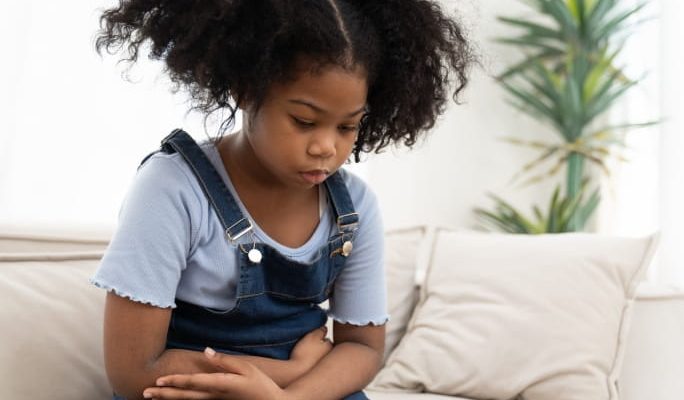
Seeing your child sick with vomiting and diarrhea is one of the most stressful experiences for any parent. The dreaded «stomach bug» can strike at any time of the year, spreading like wildfire through daycares, schools, and eventually, your home.
Gastroenteritis is an inflammation of the stomach and intestines. While it is incredibly common in childhood, it requires careful monitoring because children’s small bodies are highly susceptible to sudden fluid loss.
In this comprehensive guide, we will walk you through everything you need to know: how to identify the type of infection your child has, the golden rules of hydration, the foods that help (and those that hurt), and the critical warning signs that mean it is time to rush to the doctor.
Viral vs. Bacterial Gastroenteritis: What is the Difference?
Before treating the illness, it helps to know what caused it. Most cases in children are caused by viruses (like the highly contagious Rotavirus or Norovirus). However, a significant portion of infections are bacterial, often referred to as food poisoning.
If your child has bacterial gastroenteritis, the primary culprits are usually one of these four bacteria:
1. Salmonella
This is one of the leading causes of food poisoning, especially during the hot summer months. It is typically transmitted through the consumption of contaminated or undercooked food.
- Incubation: Symptoms usually appear between 8 and 72 hours after infection.
- Symptoms: Sudden fever, abdominal cramps, nausea, vomiting, headache, and diarrhea.
- Duration: It usually lasts 4 to 7 days.
2. Escherichia coli (E. coli)
While E. coli affects adults, children are particularly vulnerable, especially infants who are formula-fed. It is highly contagious and easily passes from children to parents.
- Incubation: Symptoms appear approximately 8 hours to 2 days after consuming contaminated food or water.
- Symptoms: Severe watery diarrhea, low-grade fever, intense abdominal cramps, extreme tiredness, and nausea.
- Duration: This can be stubborn, sometimes lasting up to 3 weeks in severe cases.
3. Campylobacter
This bacteria frequently strikes children under 5 years old. It is usually contracted by consuming contaminated water or undercooked poultry.
- Incubation: It takes a bit longer to show up, usually between 2 and 7 days after ingestion.
- Symptoms: Sharp abdominal pain, high fever, profuse diarrhea, and vomiting.
- Duration: Typically resolves in 6 to 7 days.
4. Shigella
Shigella is notorious for spreading rapidly in preschools and daycares, hitting children between 1 and 4 years old the hardest.
- Incubation: Symptoms manifest between 1 and 4 days after exposure.
- Symptoms: High fever, vomiting, abdominal pain, and diarrhea that often contains mucus or blood.
- Duration: Lasts up to 7 days.
How Do Children Catch Bacterial Gastroenteritis?
The most common way for children to get bacterial gastroenteritis is through the consumption of contaminated animal products—specifically undercooked poultry, beef, pork, and raw eggs.
However, food is not the only vector. Children are naturally curious and love animals. It is entirely possible for a child to contract Salmonella through contact with reptiles (like pet turtles or geckos) or amphibians (like frogs). Always ensure they wash their hands thoroughly after touching these animals.
Pro Tip for Summer Outings: A lack of adequate refrigeration is a playground for bacteria. If you are going on a family picnic or spending the day at the beach, make sure you pack a high-quality cooler with ice packs to keep your perishable food strictly cold.
Essential Tips for Treating Gastroenteritis at Home
Most cases of pediatric gastroenteritis resolve on their own within a few days. However, your primary job as a parent during this time is to act as a «hydration monitor» to prevent their condition from worsening.
Hydration is the Golden Rule
Dehydration is the biggest danger of gastroenteritis. You must provide a steady intake of fluids and electrolytes.
Encourage your child to take small, frequent sips of water or an Oral Rehydration Solution (ORS) every 10 to 15 minutes. Do not let them gulp down a whole glass of water at once, as the sudden volume will likely cause their irritated stomach to immediately vomit it back up.
What NOT to give: Never offer sports drinks, energy drinks, sodas, or undiluted fruit juices. The high sugar content in these beverages actually draws more water into the intestines, making diarrhea much worse. Stick to water, clear mild teas, or diluted carrot juice.
The Right Diet for a Sick Tummy
There is a dangerous myth that you should stop feeding a sick child. Unless they are actively vomiting every few minutes, they need nutrients to heal.
- For Babies: If you are breastfeeding, do not stop. Breast milk is perfectly formulated to be easily digested and provides essential antibodies to help your baby fight the infection. If your baby is formula-fed, continue offering formula but in smaller, more frequent amounts.
- For Toddlers and Older Children: Reintroduce bland, easy-to-digest foods. The classic BRAT diet (Bananas, Rice, Applesauce, and Toast) is excellent.
- Foods to Avoid: Exclude anything heavy, greasy, or difficult to digest. Avoid fried foods, sausages, pre-cooked heavily processed meals, and red meat.
- Restoring Gut Health: Once the worst of the vomiting has passed, help restore their intestinal flora by offering plain, unsweetened yogurt that contains active probiotics.
Medications: What to Use and What to Avoid
There is no «magic pill» to cure viral gastroenteritis, and even bacterial cases rarely require antibiotics unless they are severe.
- Fever and Pain: You can use pediatric antipyretics (like Paracetamol or Ibuprofen) to reduce fever and relieve body aches, but always follow the correct dosage for your child’s weight.
- Anti-diarrheal Medicines: Never give over-the-counter anti-diarrheal medications to young children without a pediatrician’s direct order. Diarrhea is the body’s way of flushing out the harmful virus or bacteria. Stopping it can trap the infection inside your child’s body, making them much sicker.
Preventing the Spread: Hygiene and Social Contact
Gastroenteritis is highly contagious. If your child brings Rotavirus or a bacterial bug home, it is very likely to spread to the rest of the family if strict measures aren’t taken.
- Bathroom Quarantine: If possible, dedicate one bathroom solely for the sick child. If you must share, disinfect the toilet seat, flush handle, floor, and sink thoroughly after every single use.
- Strict Handwashing: Hand sanitizers are great, but they do not kill certain stomach bugs (like Norovirus). Vigorously washing hands with warm water and soap for at least 20 seconds is mandatory for the whole family.
- Isolation: Do not take your child to school, daycare, or the playground until they have been completely free of vomiting and diarrhea for at least 48 hours.
When to Go to the Emergency Room
While you can manage most cases at home, you must watch for signs of severe dehydration. Head to the nearest emergency room immediately if you notice:
- No wet diapers for 6 hours (in babies) or no urination for 8 hours (in older children).
- Crying without producing tears.
- A sunken soft spot (fontanelle) on a baby’s head.
- Lethargy, extreme drowsiness, or unresponsiveness.
- Blood in their vomit or stool.
- A fever higher than 39°C (102.2°F).
Peace of Mind for Parents:
When your child falls ill in the middle of the night or on a weekend, the panic is real. This is where having comprehensive health insurance proves its worth. For example, policies like Tranquilidade give parents direct access to online requests for general and family medicine, as well as pediatric consultations via telemedicine.
If an emergency visit is necessary, premium insurance allows you to bypass crowded public waiting rooms and head straight to top-tier private reference hospitals (such as Grupo Luz Saúde, CUF, or Lusíadas). You have the freedom to choose your doctor or clinic, and with modern policies, you can submit your expense reimbursement files online, often receiving your money back within 72 working hours.
Frequently Asked Questions (FAQ)
Can I prevent my child from getting gastroenteritis?
While you cannot prevent it entirely, you can significantly reduce the risk by keeping up with routine vaccinations (the Rotavirus vaccine is highly effective for infants), practicing rigorous handwashing, and ensuring all meats and eggs are cooked thoroughly.
How long is my child contagious?
Children are most contagious while they are actively experiencing symptoms, but they can still shed the virus or bacteria in their stool for up to two weeks after they feel better. This is why continued bathroom hygiene is critical.
Should I give my child water if they keep vomiting it up?
Yes, but change the method. If they vomit, wait 30 to 60 minutes to let their stomach settle. Then, offer just one teaspoon (5 ml) of an Oral Rehydration Solution every 5 minutes. Slowly increasing the volume helps the stomach absorb the liquid without triggering the vomit reflex.
Disclaimer: The information provided in this article is for educational and informative purposes only and does not substitute for professional medical advice, diagnosis, or treatment folime is not responsible for any actions taken based on this content. If your child shows signs of severe dehydration, high fever, or prolonged illness, consult a pediatrician or seek emergency medical care immediately.
latest posts published

Footwear Biomechanics: Why ‘Barefoot’ Shoes Are Dominating Modern Streetwear

The Vintage Revival: How to Source and Authenticate High-End Secondhand Fashion

Proportion Play: The Geometric Rules of Styling Oversized Garments Correctly
The Science of Fabric: Why Polyester is Damaging the Skin (And Healthier Alternatives)

Investment Pieces: The 5 Structural Garments Every Professional Wardrobe Requires

Decoding the Dress Code: A Modern Guide to ‘Smart Casual’ for the Hybrid Workplace

The Death of Fast Fashion: Why ‘Cost Per Wear’ is the Only Metric That Matters
Sustainable Fashion: How to Identify ‘Greenwashing’ When Purchasing Apparel

Dopamine Dressing: The Psychological Impact of Color on Daily Productivity