Have you ever seen a dress look absolutely stunning on a celebrity, but when you ordered the exact same piece online, it looked completely unflattering on you?
This doesn’t mean there is anything wrong with your body. It simply means that the structure of the dress was designed for a completely different body shape.
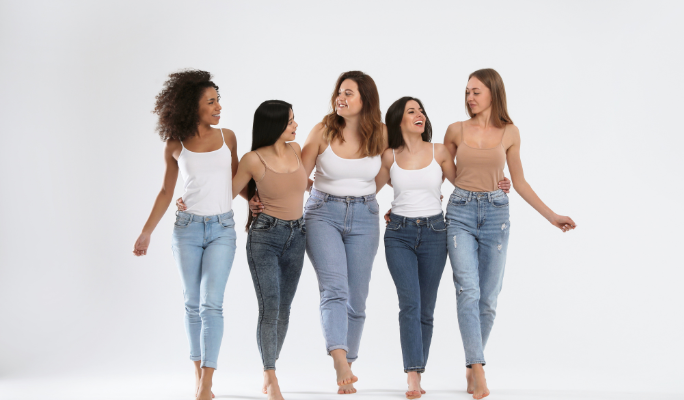
The secret to impeccable style has nothing to do with being a specific size, weight, or height. True style is entirely about proportions. When you understand your natural body architecture, you can use clothing to create optical illusions—balancing your silhouette, defining your waist, and highlighting your absolute favorite features.
Stop fighting your shape and start celebrating it. Here is the Folime style guide on how to identify your unique body type and exactly how to dress to look your absolute best.
Step 1: How to Identify Your Body Type
Grab a soft measuring tape and measure three specific areas of your body: your shoulders/bust, your natural waist (the narrowest part of your torso), and your hips (the widest part). Write these numbers down. Compare the ratios between these three numbers to determine your primary shape:
1. The Pear Shape (Triangle)
Your Proportions: Your hips are visibly wider than your shoulders and bust. You likely have a beautifully defined waist, and your weight is primarily carried in your lower half (thighs and buttocks).
Your Style Goal: To balance your proportions by drawing attention upward to your upper body while elongating your legs.
- What to Wear: Opt for tops with dramatic necklines (like wide V-necks, boat necks, or off-the-shoulder styles) to visually broaden your shoulders. Puffy sleeves, bright colors, and bold patterns belong on your top half. For your lower half, choose dark, solid colors. High-waisted, wide-leg trousers or A-line skirts that glide smoothly over your hips are incredibly flattering.
- What to Avoid: Skinny jeans in light colors, tight pencil skirts, or tops that end exactly at the widest part of your hips (which creates a horizontal line that cuts you in half).
2. The Apple Shape (Inverted Triangle)
Your Proportions: Your shoulders and bust are broader than your narrow hips. You tend to carry weight around your midsection and chest, but you usually have fantastic, slender legs and slim arms.
Your Style Goal: To create the illusion of a defined waist while highlighting your amazing legs and drawing the eye away from your midsection.
- What to Wear: Embrace the «Empire waist» or wrap dresses; these cinch right below the bust (the narrowest part of your torso) and flow loosely over the stomach. Deep V-necks are excellent for breaking up a broad chest. To balance your wide shoulders, wear pants with volume, like flared jeans, bootcut trousers, or pleated skirts. Don’t be afraid to show off those legs with shorter hemlines!
- What to Avoid: High necklines (like turtlenecks) which make the chest look heavier, and tight belts clasped directly around the stomach.
3. The Hourglass Shape
Your Proportions: Your shoulders and hips are roughly the exact same width, and you have a very sharply defined, narrow waist in the middle.
Your Style Goal: To follow your natural curves without hiding them under bulky, shapeless fabrics. It is all about defining the waist!
- What to Wear: Tailored, structured clothing is your best friend. Wrap dresses, belted trench coats, and high-waisted pencil skirts were practically invented for you. V-necks and scoop necklines highlight your collarbones. Always ensure your tops are tucked in or cropped to show exactly where your waist sits.
- What to Avoid: Massive, oversized «boxy» sweaters, shapeless tunic dresses, or stiff, straight-cut shirts. If you hide your waist, the fabric will hang straight down from your bust, making you look much heavier than you actually are.
4. The Rectangle Shape (Athletic/Straight)
Your Proportions: Your measurements for your shoulders, waist, and hips are all very similar. You have an athletic, straight silhouette without a heavily defined waist curve.
Your Style Goal: To use clothing to create the optical illusion of curves and add feminine dimension to your straight frame.
- What to Wear: You can pull off dramatic, voluminous clothing better than anyone else! Wear tops with ruffles, rouching, or breast pockets to add volume to your top half. Pair them with pleated skirts, cargo pants, or belted «paper bag» trousers to add volume to your lower half. Cinch the middle tightly with a wide belt to fake an hourglass waist.
- What to Avoid: Vertical stripes and stiff, straight-cut shift dresses that simply echo the straight lines of your body.
💡 A Style Tip from the Folime Team:
Remember, these categories are just general architectural guidelines, not rigid laws. Many women are actually a combination of two shapes! The most important styling tool you own is a full-length mirror. If you put on an outfit that supposedly breaks the «rules» for your body type, but you feel radiant, powerful, and comfortable—wear it. Confidence is the most flattering accessory you can ever put on!
Disclaimer: The information provided in this article by Folime is for educational and lifestyle inspiration purposes only. Fashion is highly subjective. Every body is beautiful, and clothing should always serve to make you feel comfortable and empowered.
latest posts published

Footwear Biomechanics: Why ‘Barefoot’ Shoes Are Dominating Modern Streetwear
The Vintage Revival: How to Source and Authenticate High-End Secondhand Fashion
Proportion Play: The Geometric Rules of Styling Oversized Garments Correctly
The Science of Fabric: Why Polyester is Damaging the Skin (And Healthier Alternatives)
Investment Pieces: The 5 Structural Garments Every Professional Wardrobe Requires

Decoding the Dress Code: A Modern Guide to ‘Smart Casual’ for the Hybrid Workplace
The Death of Fast Fashion: Why ‘Cost Per Wear’ is the Only Metric That Matters
Sustainable Fashion: How to Identify ‘Greenwashing’ When Purchasing Apparel
Dopamine Dressing: The Psychological Impact of Color on Daily Productivity