
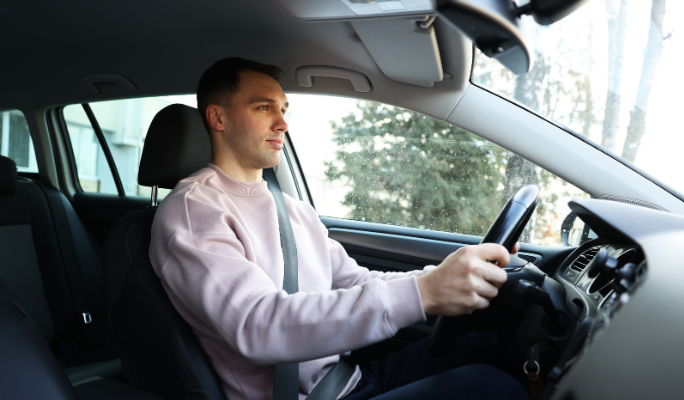
Despite the rise of alternative transport, the car remains the most convenient way to get around our cities. However, the modern urban landscape is changing rapidly. More and more people are choosing to commute on foot, by bicycle, or on electric scooters.
Because a car is essentially a two-ton piece of heavy machinery, motorists carry the ultimate responsibility for road safety. Drivers must pay extraordinary attention to ensure not only their own safety but also the safety of those traveling completely unprotected on the asphalt.
If you commute by car every day, you need to adapt your driving habits. Here are 14 vital precautions you must take to protect yourself and the vulnerable pedestrians and cyclists sharing the road with you.
1. Never Neglect Your Turn Signals
The Highway Code strictly requires the use of direction indicators (blinkers) whenever you change lanes or turn. However, many drivers suffer from «indicator laziness» when they think no one is around them. The problem? Blind spots easily hide a pedestrian or a silent cyclist approaching your rear quarter panel. Create an unbreakable habit: always signal your intentions, even on an empty street.
2. Scan Intersections Twice
Intersections are the number one hotspot for accidents involving cyclists. Because human brains are wired to look for large, fast-moving objects (like other cars), a slim bicycle can easily become «invisible» to a rushed driver. Before turning, it is absolutely essential to stop, look left, right, and left again, specifically scanning the bicycle lanes and sidewalks for approaching runners or bikes.
3. Respect the 1.5-Meter Overtaking Rule
When an athlete is running on the shoulder or a cyclist is pedaling hard, being overtaken by a car flying past them at 60 km/h is terrifying. The sudden rush of wind can easily cause them to lose their balance and fall under your wheels. By law, as a driver, you must maintain a lateral distance of at least 1.5 meters when overtaking pedestrians or cyclists. If the road is too narrow to guarantee this safety distance, you must slow down and patiently wait behind them until it is safe to pass.
4. Beware of the «Dooring» Danger
For a driver, throwing open the car door to get out is a simple, almost unconscious gesture. However, for a cyclist passing by, a suddenly opened door is a lethal brick wall. This phenomenon is known as «dooring» and causes severe injuries. Contribute to everyone’s safety by practicing the «Dutch Reach»: always use your far hand to open the door. This forces your body to naturally twist, making you look over your shoulder and check your side mirror for approaching bikes before you step out.
5. Learn to Read Cyclist Hand Signals
In addition to their positioning on the road, you need to understand the gestural signaling used by cyclists to indicate their intentions. An outstretched left arm means turning left, while an outstretched right arm (or a left arm bent upwards at a 90-degree angle) indicates a right turn. If a cyclist drops their hand down with their palm facing backward, they are braking.
6. Ruthlessly Eliminate Distractions
Taking your eyes off the road for just two seconds at 50 km/h means you have driven completely blind for nearly 30 meters. The biggest distraction is undoubtedly the cell phone. We highly recommend that you avoid touching your phone entirely while driving. Even using a hands-free kit to read a text message drastically reduces your cognitive reaction time. Furthermore, getting caught touching your phone will result in massive fines (between €250 and €1,250) and the loss of points on your license.
7. Use the Horn Only for True Emergencies
Using the horn out of frustration is a bad habit. To a driver inside a soundproofed cabin, a horn seems harmless. However, to a pedestrian or a cyclist balancing on two thin tires, that sudden, deafening noise is terrifying and can easily cause them to swerve into traffic out of panic. Only use your car horn to prevent an immediate, physical accident.
8. Master Your Mirrors and Blind Spots
Get into the habit of actively scanning your center and side mirrors every 10 seconds, not just when you are preparing to change lanes. Your mirrors are your only defense against bicycles creeping up along your sides in slow-moving traffic. Never rely solely on mirrors; always do a quick physical shoulder check to clear your blind spots.
9. Use High-Beams Carefully
When driving at night on dark rural roads, high-beam headlights are essential. However, if you see a cyclist or pedestrian approaching in the opposite direction, you must immediately drop your lights to low-beams. Blinding a cyclist with intense LEDs destroys their night vision, causing severe disorientation and potential falls.
10. Anticipate Pedestrians at Crosswalks
When pedestrians approach marked zebra crossings, they know they legally have the right of way. Therefore, many pedestrians (especially children) tend to step onto the asphalt without looking both ways. Never assume a pedestrian will stop for you. Always lift your foot off the accelerator and hover over the brake pedal every time you approach a crosswalk.
11. Drive Defensively Around Parked Cars and Buses
A stopped city bus or a row of parked vans creates a massive visual blockade. Pedestrians, particularly children, often dart out from directly behind these vehicles to cross the street. Whenever you pass a stopped bus or parallel-parked cars, slow down significantly and give them a wide berth.
12. Reverse at a Snail’s Pace
When reversing out of a driveway or a tight parking spot, it is incredibly difficult to see small pedestrians, toddlers, or low-riding bicycles. Do not rely entirely on your backup camera! Use your mirrors, turn your head to examine all angles physically, and always perform this maneuver at a literal snail’s pace to give others time to react to your movement.
13. Fight «Autopilot» on Familiar Routes
We all have routes we drive every single day—to work, to the gym, to the supermarket. We know every curve like the back of our hand. This feeling of absolute security is deeply counterproductive. It causes our brains to slip into «autopilot.» We stop paying attention to our surroundings and can easily be surprised by a pedestrian stepping off a curb. Always force yourself to stay mentally present, even on the routes you know best.
14. Know the Rules of the Other Side
In addition to respecting the Highway Code for cars, take five minutes to inform yourself about the legal rights and duties of pedestrians and cyclists. For example, did you know cyclists are legally allowed to ride two abreast (side-by-side) in Portugal? Understanding their rules reduces road rage and reminds us that we all share the exact same space.
💡 A Legal Safety Tip from the Folime Team:
Even if you follow all 14 of these suggestions perfectly, accidents can still happen. This is why having active Third-Party Liability Car Insurance is an absolute legal mandate. If a pedestrian or cyclist steps out in front of you and an unavoidable collision occurs, the medical bills and rehabilitation costs for an unprotected human body can run into the hundreds of thousands of euros. Good car insurance isn’t just about fixing your bumper; it is the ultimate financial safety net that ensures the victims are cared for and your personal life savings remain protected.
Disclaimer: The information provided in this article by Folime is for educational and public safety awareness purposes only. Traffic laws and fines are subject to local government changes. Always adhere strictly to the rules of the road and prioritize human life above all else while driving.
latest posts published

Footwear Biomechanics: Why ‘Barefoot’ Shoes Are Dominating Modern Streetwear

The Vintage Revival: How to Source and Authenticate High-End Secondhand Fashion

Proportion Play: The Geometric Rules of Styling Oversized Garments Correctly

The Science of Fabric: Why Polyester is Damaging the Skin (And Healthier Alternatives)

Investment Pieces: The 5 Structural Garments Every Professional Wardrobe Requires

Decoding the Dress Code: A Modern Guide to ‘Smart Casual’ for the Hybrid Workplace

The Death of Fast Fashion: Why ‘Cost Per Wear’ is the Only Metric That Matters

Sustainable Fashion: How to Identify ‘Greenwashing’ When Purchasing Apparel

Dopamine Dressing: The Psychological Impact of Color on Daily Productivity