Good maintenance of your motorcycle is absolutely essential to ensure peak performance, guarantee your safety on the road, and drastically prolong the useful life of your machine.
Unlike a car, where the engine and vital components are hidden safely under a heavy steel hood, a motorcycle’s mechanics are completely exposed to the elements. The chain, the filters, and the braking systems are in constant, direct contact with dust, rain, and road debris. Because of this exposure, it is highly advisable to pay particular attention to routine maintenance.
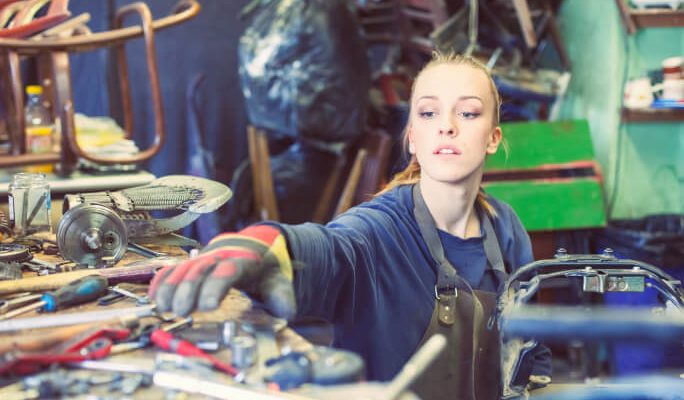
While it is inevitable that you will eventually need to take your motorcycle to a professional workshop for major servicing, the true motorcycling spirit leads many «two-wheel» lovers to get their hands dirty and learn the mechanics themselves.
Take note of these essential steps and make the most of this complete guide to at-home motorcycle maintenance.
1. Deep Cleaning is Essential (Not Just for Looks)
Having a clean motorcycle is not just an aesthetic issue. Being constantly exposed to diverse atmospheric conditions, humidity, and road salt means your components will rust and degrade quickly if left dirty. Therefore, a weekly deep clean is your first line of mechanical defense.
To wash your motorbike properly, use a soft microfiber sponge and a specific motorcycle wash detergent. You can use a soft-bristle toothbrush to gently scrub the hard-to-reach areas around the engine block. It is always preferable to wash the motorcycle in the shade and let it air dry so the sun doesn’t bake the soap onto the paint.
- ✅ Pro Tip! Avoid washing your motorcycle using high-pressure water washers (like those at self-service car washes). The intense pressure can force water past the rubber seals and deep into your wheel bearings, electrical connections, and the drive chain, causing hidden rust. Also, never use standard dish soap, as it is highly abrasive and strips the protective wax off your paint.
2. Tire Condition and Pressure
Safety on two wheels depends entirely on two tiny patches of rubber touching the asphalt. To ensure maximum grip, you must regularly inspect your tires.
- The Tread: Ensure that the tire tread has a depth of at least 1.6 mm (though replacing them at 2 mm is much safer).
- Visual Inspection: Closely observe the sidewalls to see if the tires have dry-rot cracks, cuts, or bulging deformations.
- The Pressure: Checking your tire pressure should be a weekly habit. Always consult your specific manufacturer’s manual (or the sticker on your swingarm) for the correct cold-tire pressure. Riding with under-inflated tires makes the bike handle sluggishly and overheat, while over-inflated tires drastically reduce your grip on the road.
3. Engine Oil Levels
In the world of motorcycles, oil is the lifeblood of your machine. When the engine is running at high RPMs, the oil lubricates the internal components, preventing them from wearing out due to violent friction. Because many motorcycles use the same oil to lubricate both the engine and the gearbox, maintaining pristine oil levels is critical.
- ✅ Remember! Experts recommend checking the oil level through the glass sight window (or using the dipstick) every 30 days or before any long road trip. Always ensure the bike is standing perfectly upright and level when checking the oil, not leaning on its side stand! You should fully change your oil and oil filter every 5,000 to 10,000 kilometers, depending on your manufacturer’s specific guidelines.
4. The Drive Chain: Tension and Lubrication
If your vehicle is driven by a chain (rather than a belt or shaft), you must pay special attention to it. Correct tension, frequent lubrication, and regular cleaning reduce the risk of the chain snapping at high speeds—a highly dangerous scenario.
- Tension: Is the tension well regulated? A chain that is too tight will ruin your gearbox bearings, while a loose chain can slip off the sprocket. Generally, a chain should have about 3 to 5 cm of free vertical «slack» when you push up on it.
- Cleaning and Lube: You should clean the chain with a specialized chain cleaner (or kerosene) and a grunge brush every 500 to 800 kilometers. Once it is clean and dry, apply a high-quality motorcycle chain lube.
- ✅ Pro Tip! Apply the chain lube to the inside of the lower chain loop while manually spinning the rear wheel. Avoid using too much heavy grease. Excess lube will just fling off onto your tires or act as a magnet, trapping sand and dirt inside the chain links.
5. Brake Pads and Fluid
Brakes that show extreme wear will lose their stopping power when you need them most, drastically increasing your risk of an accident.
- Brake Fluid: Check the brake fluid reservoirs (usually located on the handlebars for the front, and near the right footpeg for the rear) weekly. The fluid should be a clear, golden color and sit comfortably between the «Lower» and «Upper» lines. If the fluid is dark brown or black, it has absorbed too much moisture and must be flushed and replaced immediately.
- Brake Pads: Get down with a flashlight and look inside the brake calipers. If the friction material on the pads is less than 2 mm thick, or if you hear a metallic scraping or squeaking sound when you apply the brakes, they must be replaced as soon as possible.
6. The Air Filter and Coolant (The Lungs and Sweat)
Do not forget the systems that help your bike breathe and stay cool!
- Air Filter: Your engine needs massive amounts of clean oxygen to run. If your air filter is clogged with dust and dead bugs, your bike will run «rich,» burning excess fuel and losing horsepower. Inspect the air filter every 10,000 km and replace it if it looks heavily soiled.
- Coolant (For liquid-cooled bikes): If your motorcycle has a radiator, check the coolant reservoir. Ensure the liquid is at the correct level to prevent the engine from overheating during heavy stop-and-go city traffic.
💡 A Rider’s Tip from the Folime Team:
Maintaining your bike prevents mechanical breakdowns, but you still need protection for the unpredictable. When shopping for motorcycle insurance, do not just settle for the minimum mandatory Civil Liability. Look for comprehensive policies that include Roadside Assistance (both nationally and abroad) and specific coverages that guarantee the replacement of your expensive safety gear—like your helmet, armored jacket, and gloves—in the event of a crash.
Disclaimer: The information provided in this article by Folime is for educational and DIY mechanical guidance only. Always refer to your specific motorcycle owner’s manual for exact maintenance schedules, fluid types, and torque specifications. If you are unsure about performing a mechanical task, always consult a certified motorcycle mechanic.