
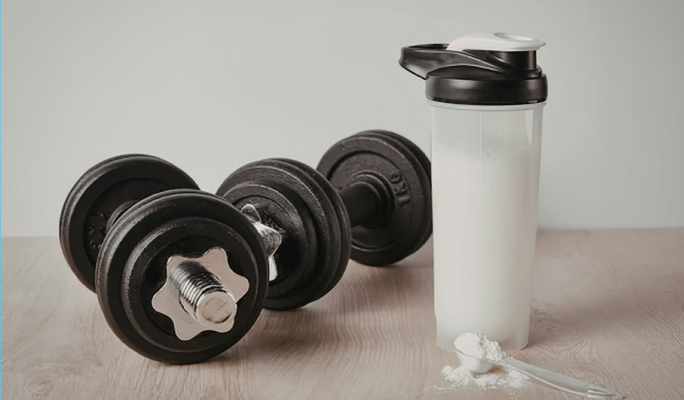
When individuals first begin taking fitness seriously, a common trap is falling victim to the aggressive marketing surrounding protein consumption. Gym environments and supplement advertising often promote the idea that consuming massive quantities of protein—sometimes exceeding 250 grams a day—is the only way to build a healthy, muscular physique.
This leads many beginners to consume excessive amounts of chicken breasts and thick, chalky protein shakes between meals. However, instead of achieving rapid muscle growth, the most common result is severe digestive distress, chronic constipation, visible bloating, and unnecessary lethargy. Many assume this physical discomfort is simply the mandatory price to pay for fitness.
It is not. This phenomenon is deeply rooted in one of the most profitable misconceptions in the health industry: The Great Protein Myth.
For decades, sports supplement companies have exaggerated human biological requirements for protein to increase the sales of powders, bars, and functional snacks. In this comprehensive nutritional breakdown, the Folime Fitness Team explores the clinical data on actual human protein requirements, the biological reasons behind high-protein digestive issues, and how to optimize macronutrient intake without experiencing the dreaded bloat.
The Origin of the «More is Better» Misconception
To understand why excessive protein consumption is so normalized, it is essential to examine the financial incentives of the fitness industry. Protein is the most heavily monetized macronutrient globally. By convincing the public that the human body requires 2 to 3 grams of protein per pound of body weight, supplement companies create a scenario where consumers cannot possibly reach their goals using whole foods alone.
Biologically, this «more is better» concept is entirely flawed.
Muscle growth (hypertrophy) is triggered by mechanical tension during resistance training, not by overfeeding. Protein merely provides the amino acid building blocks required to repair the microscopic tears created in muscle fibers during a workout.
Think of protein like materials for a construction site. If a project requires exactly 100 bricks, delivering 500 bricks to the site does not magically build a larger structure; it simply creates logistical waste. When the body consumes vastly more protein than its Muscle Protein Synthesis (MPS) limit can utilize, the excess is not converted into extra muscle. Instead, it is broken down by the liver, the nitrogen is excreted through urine (which heavily taxes renal function), and the remaining calories are either burned for immediate energy or stored as adipose tissue (body fat).
Exactly How Much Protein is Required? (Clinical Data)
Moving past industry marketing, modern sports science and clinical nutrition offer very clear guidelines. True protein requirements depend entirely on an individual’s activity level and baseline body composition.
1. The Sedentary Adult (Baseline Maintenance)
For individuals who do not engage in regular exercise or resistance training, the biological requirement for protein is surprisingly low. The FDA’s Recommended Dietary Allowance (RDA) suggests roughly 0.36 grams of protein per pound of body weight (0.8g per kg). For a 150-pound adult, this equates to a mere 54 grams of protein a day—a target easily achievable through a standard, balanced diet without any supplements.
2. The Active Gym-Goer (Optimizing Muscle Growth)
For those actively lifting heavy weights 3 to 5 times a week with the specific goal of building muscle, nutritional demands naturally increase. However, the biological ceiling is still much lower than popular fitness culture claims.
Extensive meta-analyses published in the Journal of the International Society of Sports Nutrition have concluded that maximum muscle protein synthesis is achieved at 0.7 to 1.0 gram of protein per pound of body weight (1.6 to 2.2g per kg).
- Clinical Example: For a lean, 160-pound athlete, consuming between 115g to 160g of protein daily is the absolute maximum ceiling. Consuming 200g will yield zero additional muscle growth and only add digestive stress.
3. The Overweight Individual (A Crucial Calculation Error)
A common and dangerous mistake occurs when overweight individuals calculate their protein needs based on their total body weight.
Adipose tissue (body fat) does not require massive amounts of amino acids to maintain itself. If an individual weighs 280 pounds, attempting to consume 280 grams of protein will likely severely disrupt their digestive system.
Instead, clinical nutritionists advise calculating protein intake based on Target Goal Weight or Lean Body Mass. If the healthy target weight is 180 pounds, daily protein intake should be structured around 140g to 180g.
The Biological Causes of High-Protein Bloating
When a high-protein diet results in a constantly swollen, uncomfortable stomach, the digestive system is signaling distress. Protein is the most complex macronutrient for the human gastrointestinal tract to break down. Here are the primary culprits behind fitness-related bloating:
1. The Whey Concentrate Trap
A vast majority of consumers rely on budget-friendly Whey Protein Concentrate powders. Because whey is a byproduct of cheese manufacturing, it is inherently packed with Lactose. For individuals with even a mild dairy sensitivity, consuming 50 grams of liquid lactose in a single shake will immediately trigger severe gas, stomach cramps, and visible abdominal distension.
2. The Sugar Alcohol Epidemic
Many «low-carb, high-protein» functional snacks and bars are heavily sweetened with artificial sugar alcohols such as Sucralose, Maltitol, or Erythritol. The human digestive tract lacks the enzymes to fully absorb these compounds. They pass intact into the large intestine, where gut bacteria ferment them, producing massive amounts of trapped gas.
3. Starving the Gut Microbiome
When transitioning to a high-protein diet, individuals often drastically increase their intake of meat, eggs, and dairy while severely restricting carbohydrates. In doing so, they inadvertently eliminate Dietary Fiber. Fiber acts as the sweeping mechanism for the intestines. Processing heavy amounts of meat without adequate fiber causes gastric motility to slow down, leading to chronic constipation and gastrointestinal discomfort.
Strategies for Optimal Digestion and Muscle Growth
It is entirely possible to build an elite physique and hit appropriate protein targets while maintaining a flat, functional digestive system. It simply requires optimizing food processing.
- Upgrade to Isolate or Plant Blends: For those who rely on supplements, abandoning cheap Whey Concentrate is the first step. Whey Protein Isolate has up to 99% of the lactose filtered out, making it much easier on the gut. Alternatively, high-quality plant-based blends (such as pea and rice protein) offer complete amino acid profiles without dairy-induced inflammation.
- Space Out Intake: The human body can only process a limited amount of protein for muscle synthesis in a single sitting. Consuming a massive 80g protein steak in one meal overwhelms stomach acid production. Dividing protein evenly into 3 or 4 meals containing 30g to 40g each ensures maximum absorption.
- Mechanical Breakdown: Digestion begins in the mouth, not the stomach. Saliva contains crucial enzymes that initiate the breakdown process. Swallowing large, unchewed chunks of dry protein forces the stomach to overwork, often resulting in acid reflux and heaviness.
Frequently Asked Questions (FAQ)
Is there a strict «30-minute anabolic window» after a workout?
No. The concept of an immediate «anabolic window» was largely exaggerated by supplement marketing to encourage the consumption of protein shakes in the locker room. Clinical research confirms that muscles remain highly sensitized to protein synthesis for 24 to 48 hours following a heavy resistance training session. As long as total daily protein goals are met, precise meal timing is largely irrelevant for the average athlete.
Are plant-based diets effective for building muscle?
Yes, plant-based proteins are highly effective for hypertrophy. The primary consideration is that many single-source plant proteins (with exceptions like soy and quinoa) are «incomplete,» meaning they lack one or more essential amino acids. Individuals following a vegan diet simply need to consume a variety of protein sources throughout the day (such as combining legumes with grains) to ensure a complete and effective amino acid profile.
💡 A Fitness Tip from the Folime Team:
«When increasing whole-food protein intake, utilizing natural enzymatic support can prevent gastric distress. Fresh Pineapple contains an enzyme called Bromelain, and fresh Papaya contains Papain. Both naturally occurring enzymes are scientifically proven to aggressively break down tough meat proteins in the stomach. Consuming just three or four pieces of fresh pineapple immediately following a heavy protein meal can rapidly eliminate the feeling of heaviness and aid in faster digestion.»
Disclaimer: The nutritional information provided in this article by the Folime team is for educational and informational purposes only. It is not intended as medical advice. Extremely high-protein diets can pose risks for individuals with pre-existing kidney disease or compromised renal function. Always consult with a registered dietitian or a certified physician before making drastic changes to dietary habits or macronutrient intake.
latest posts published

Footwear Biomechanics: Why ‘Barefoot’ Shoes Are Dominating Modern Streetwear

The Vintage Revival: How to Source and Authenticate High-End Secondhand Fashion

Proportion Play: The Geometric Rules of Styling Oversized Garments Correctly

The Science of Fabric: Why Polyester is Damaging the Skin (And Healthier Alternatives)

Investment Pieces: The 5 Structural Garments Every Professional Wardrobe Requires

Decoding the Dress Code: A Modern Guide to ‘Smart Casual’ for the Hybrid Workplace

The Death of Fast Fashion: Why ‘Cost Per Wear’ is the Only Metric That Matters

Sustainable Fashion: How to Identify ‘Greenwashing’ When Purchasing Apparel

Dopamine Dressing: The Psychological Impact of Color on Daily Productivity