
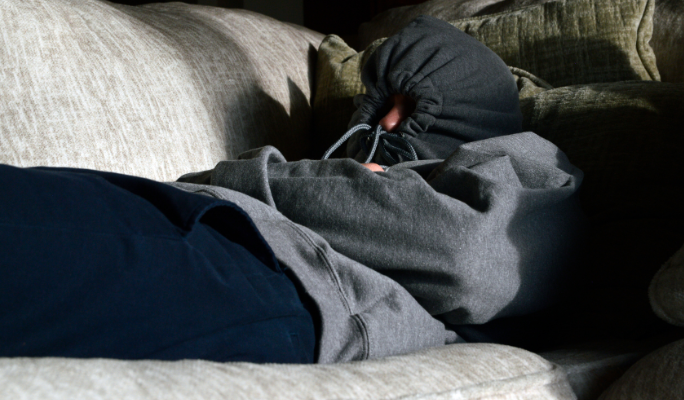
It is a remarkably common scenario: an individual returns home from a lively dinner party, a corporate networking event, or a family holiday gathering, and feels as though they have just completed a grueling physical marathon. Their muscles ache, their cognitive processing feels incredibly slow, and the mere sound of a phone vibrating induces severe irritability.
Despite not consuming a single drop of alcohol, the individual wakes up the following morning feeling completely drained, emotionally fragile, and desperate to isolate themselves in a dark, quiet room.
For decades, society has mislabeled this sudden need for isolation as «antisocial behavior» or a character flaw. However, modern psychological science strongly disagrees. This profound exhaustion is a very real, measurable physiological phenomenon clinically referred to as an Introvert Social Hangover (or Social Burnout).
In this comprehensive behavioral analysis, the Folime Mindset Team explores the actual neuroscience dictating why social interaction drains introverted energy reserves, how to clinically spot the physical symptoms of an impending crash, and the exact psychological boundaries required to recover energy without experiencing an ounce of guilt.
The Neuroscience of the Social Battery
To eliminate the guilt associated with post-social exhaustion, one must first understand that a social hangover is not a mood or an attitude problem. It is a biological response to severe neurological overstimulation.
Leading psychological research dictates that extroverted and introverted brains process chemical rewards using entirely different neurotransmitter pathways.
Extroverts are highly responsive to Dopamine. High-stimulation environments—such as loud music, crowded rooms, and rapid-fire conversations—trigger a massive dopamine release in an extroverted brain. This chemical surge leaves them feeling energized, highly alert, and socially fulfilled.
Introverts, conversely, possess a much lower biological threshold for dopamine. What excites an extrovert rapidly overwhelms an introvert’s central nervous system. Instead, the introverted brain thrives on Acetylcholine, a neurotransmitter intrinsically linked to deep thinking, internal reflection, and the activation of the parasympathetic nervous system (the body’s «rest and digest» mode).
When an introvert, or a Highly Sensitive Person (HSP), is placed in a high-stimulation environment for an extended period, their nervous system essentially short-circuits from data overload. A social hangover is simply the brain’s emergency brake. It physically forces the body to shut down and retreat to a low-stimulation environment so the brain can safely process the massive amount of sensory data it just absorbed.
Clinical Symptoms of an Impending Crash
Many individuals inadvertently push themselves into a deep, multi-day social hangover because they ignore the early biological warning signs. The autonomic nervous system will always signal when the «social battery» is reaching critical depletion. Clinical indicators of an impending crash include:
- The «Wall of Apathy»: Occurs when an individual is in the middle of a conversation and suddenly experiences a physical inability to care about the topic. Verbal responses involuntarily downgrade from engaged, complex sentences to simple, monotonous nods.
- Sensory Intolerance (Hyperacusis): The background music in a restaurant suddenly feels physically painful or deafening. Overhead lighting appears blindingly bright. The overlapping voices in a crowded room begin to sound like aggressive static.
- The Escape Fixation: The individual entirely loses the ability to be present in the moment, and instead begins obsessively fantasizing about the exact logistical steps required to return to their bedroom and lock the door.
The Preventative Boundary Protocol
An individual does not need to adopt a reclusive lifestyle to protect their neurological peace. Surviving a highly extroverted world simply requires becoming exceptionally intentional regarding energy expenditure. Psychologists recommend the following operational blueprint for social survival:
1. Mandatory «Buffer Zones»
The most common error introverts make is scheduling their calendars based on an extroverted capacity. If an individual endures a chaotic, meeting-heavy workday on a Wednesday, scheduling a loud dinner party for Wednesday evening guarantees a crash.
- The Intervention: Solitude must be treated with the exact same rigidity as a corporate meeting or a medical appointment. If a high-energy event is scheduled for Saturday night, the individual must deliberately block out Sunday morning as a non-negotiable «Buffer Zone.» During this time, absolutely zero plans or obligations are permitted. The recovery must be scheduled before the hangover actually occurs.
2. The Graceful Departure
Many introverts remain at social events hours longer than their biology can handle because they feel socially obligated to engage in a prolonged, 30-minute process of saying goodbye to every single attendee. This drawn-out farewell alone can drain the final 10% of their cognitive energy.
- The Intervention: Adults possess the autonomy to leave an environment the moment their biological limit is reached. In a large, crowded event, it is highly recommended to practice the «Irish Exit»—simply slipping out the door without making a grand announcement. In smaller gatherings, the individual should locate the host, express genuine gratitude, and clearly state: «It has been a wonderful evening, but I must head home now.» Inventing fabricated excuses or offering profound apologies for needing rest is entirely unnecessary.
3. Pre-Communicating «Low Battery» Status
When an individual is in the absolute depths of a social hangover, they may unintentionally snap at their partner, children, or roommates. Because the introvert is desperately craving silence, loved ones often misinterpret this withdrawal as personal anger or rejection.
- The Intervention: Physiological needs must be communicated clearly before the crash fully manifests. It is incredibly healthy for an individual to inform their household: «I care about you, but my social battery is completely depleted right now. I am heavily overstimulated and require an hour alone in my room to decompress. We can engage when my energy returns.» Interpersonal relationships respect clear, kind boundaries significantly more than silent, building resentment.
Frequently Asked Questions (FAQ)
Can «Ambiverts» experience social hangovers as well?
Absolutely. Ambiverts exist squarely in the middle of the introversion-extroversion spectrum. While they possess the capacity to enjoy socializing and can even gain temporary energy from it, they still possess a definitive biological limit. Once an ambivert crosses their specific threshold of external stimulation, they will experience the exact same physical and mental exhaustion as a profound introvert.
What is the typical duration of a social hangover?
The recovery timeline is heavily dependent on the intensity of the triggering event and the individual’s baseline stress levels. A mild hangover stemming from a loud dinner may only require a quiet morning to resolve. Conversely, a severe social hangover—such as returning from a multi-day family wedding or a massive, highly stimulating corporate conference—can require anywhere from 24 to 72 hours of low-stimulation rest for the nervous system to fully recalibrate.
💡 A Mindset Tip from the Folime Team:
«When an individual finds themselves trapped in a highly stimulating environment (such as a mandatory corporate networking event) and feels the initial stages of a social hangover creeping in, they should immediately execute a ‘Micro-Retreat’. This involves excusing oneself to a private space, such as a restroom stall. Running extremely cold water over the wrists (which actively calms the vagus nerve) and taking ten deep, slow breaths with closed eyes can provide a 3-minute sensory deprivation break. This rapid intervention effectively resets the nervous system just enough to survive the remainder of the engagement without suffering a total systemic burnout.»
Disclaimer: The neurological and psychological information provided in this article by the Folime team is intended for educational and self-improvement purposes only. While introversion and occasional social fatigue are healthy, normal personality traits, the chronic, paralyzing avoidance of all social interaction due to severe panic may indicate Social Anxiety Disorder or Agoraphobia. If anxiety prevents an individual from maintaining relationships or retaining employment, it is strongly advised to consult a licensed mental health professional.
latest posts published

Footwear Biomechanics: Why ‘Barefoot’ Shoes Are Dominating Modern Streetwear

The Vintage Revival: How to Source and Authenticate High-End Secondhand Fashion
Proportion Play: The Geometric Rules of Styling Oversized Garments Correctly
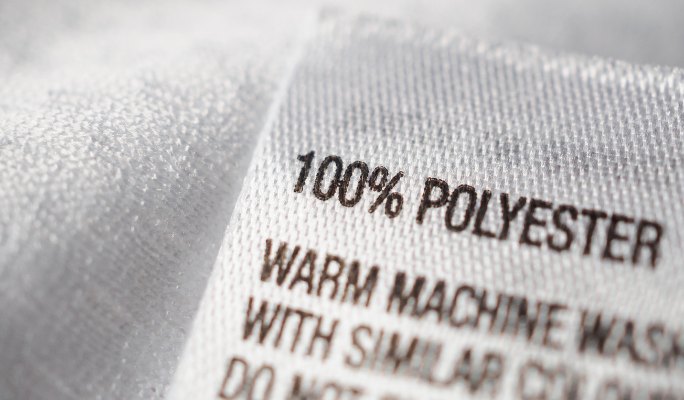
The Science of Fabric: Why Polyester is Damaging the Skin (And Healthier Alternatives)

Investment Pieces: The 5 Structural Garments Every Professional Wardrobe Requires

Decoding the Dress Code: A Modern Guide to ‘Smart Casual’ for the Hybrid Workplace
The Death of Fast Fashion: Why ‘Cost Per Wear’ is the Only Metric That Matters
Sustainable Fashion: How to Identify ‘Greenwashing’ When Purchasing Apparel

Dopamine Dressing: The Psychological Impact of Color on Daily Productivity