For the past decade, the global fashion industry was heavily dominated by «logomania»—the practice of wearing garments completely covered in massive, highly visible designer logos. The primary objective of this trend was conspicuous consumption, allowing consumers to instantly broadcast their financial status to the public. However, as the global economy and cultural values shift toward 2026, a massive structural rejection of flashy fashion has emerged.
The modern consumer is actively abandoning overt branding in favor of a highly sophisticated, understated aesthetic known by fashion historians and cultural analysts as Quiet Luxury (or «Stealth Wealth»).
Quiet luxury is characterized by garments made from elite materials, featuring impeccable tailoring and a total absence of visible logos. It whispers wealth rather than shouting it. In this comprehensive sartorial analysis, the Folime Fashion Team explores the socio-economic drivers behind the quiet luxury movement, the architectural rules of building a sustainable «Capsule Wardrobe,» and the mathematical logic of investing in timeless apparel.
The Socio-Economic Drivers of Quiet Luxury
To understand why fashion trends shift, one must examine the broader economic landscape. Historically, during periods of economic uncertainty or high inflation, displaying overt, flashy wealth becomes culturally distasteful.
During these periods, ultra-high-net-worth individuals pivot toward anonymity. They opt for $1,000 cashmere sweaters and bespoke trousers that appear entirely generic to the untrained eye, but are instantly recognizable to peers of the same socio-economic status through the drape of the fabric and the quality of the stitching.
Beyond economic factors, environmental consciousness is driving this evolution. The modern consumer is acutely aware of the catastrophic environmental impact of «Fast Fashion»—the rapid mass production of cheap, disposable clothing. Quiet luxury inherently promotes sustainability. By prioritizing garments that are structurally designed to last a lifetime, consumers actively withdraw from the toxic cycle of rapid consumption and disposal.
The Framework: Constructing a Capsule Wardrobe
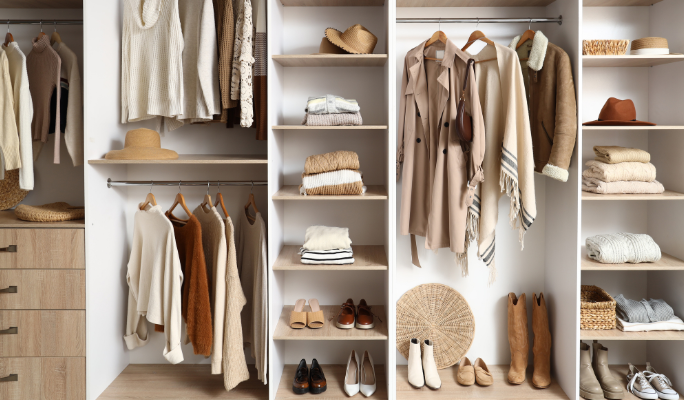
The physical manifestation of the quiet luxury mindset is the Capsule Wardrobe. Originally coined in the 1970s by London boutique owner Susie Faux, a capsule wardrobe is a highly curated collection of versatile, interchangeable garments that can be combined to create a massive variety of outfits.
A true capsule wardrobe generally consists of 20 to 30 core items (excluding gym wear and undergarments). Constructing this wardrobe requires adhering to strict aesthetic and architectural rules.
1. The Mastery of the Color Palette
A highly functional wardrobe must be built upon a cohesive color theory. Without a strict color palette, garments cannot be interchanged, leading to the common phenomenon of owning a closet full of clothes but having «nothing to wear.»
- The Base Neutrals: The foundation of the wardrobe should consist of three core neutral colors, such as Navy, Camel, and Charcoal (or Black, White, and Beige). These colors act as the anchoring canvas for every outfit.
- The Tonal Accents: Once the base is established, one or two accent colors (such as Olive Green, Burgundy, or Muted Blue) can be integrated. Because all items share a complementary color scheme, an individual can blindly select a top and a bottom from the closet and guarantee they will match flawlessly.
2. Prioritizing Textile Integrity
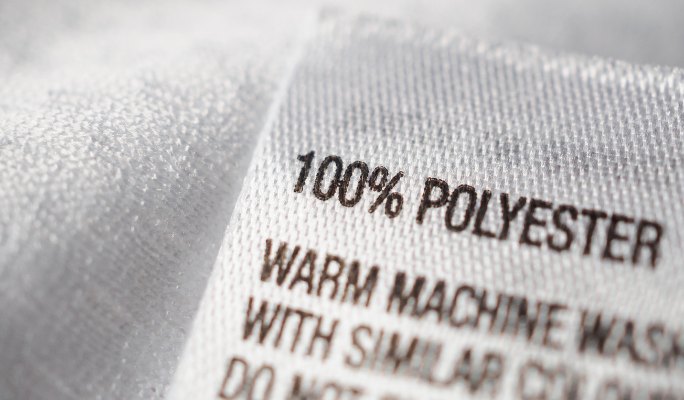
In the absence of logos, the fabric itself becomes the primary indicator of luxury and quality. Synthetic fabrics, such as polyester and acrylic, reflect light poorly, retain body odor, and degrade rapidly after a few washing cycles.
To achieve the quiet luxury aesthetic, consumers must learn to read garment care tags. Wardrobes should be heavily weighted toward natural, breathable textiles:
- Merino Wool and Cashmere for knitwear.
- 100% Cotton or Linen for shirting and summer garments.
- Silk for formal blouses and evening wear.
Natural fibers drape beautifully over the human silhouette, regulate body temperature effectively, and age gracefully over time.
3. Structural Silhouette Over Micro-Trends
Fast fashion relies on «micro-trends»—highly specific cuts or patterns that become wildly popular for three months and then look incredibly outdated by the next season. A capsule wardrobe rejects micro-trends entirely.
Instead, it relies on foundational silhouettes that have remained stylish for decades: the perfectly tailored trench coat, the straight-leg denim jean, the crisp white button-down oxford shirt, and the classic leather loafer. These structural pieces defy the passage of time and trend cycles.
The Mathematics of Style: ‘Cost Per Wear’
The most significant barrier to adopting a quiet luxury wardrobe is the initial financial investment. High-quality, natural-fiber garments are undeniably more expensive than fast-fashion alternatives. However, financial advisors and fashion consultants utilize a specific metric to justify the expense: Cost Per Wear (CPW).
The Cost Per Wear equation is simple: Total Cost of the Item ÷ Number of Times Worn.
Consider two different purchasing scenarios:
- Scenario A: An individual purchases a trendy, fast-fashion synthetic sweater for $30. It looks outdated after one season and begins to pill and unravel after three washes. The individual wears it a total of 5 times before discarding it. The Cost Per Wear is $6.00.
- Scenario B: An individual invests in a high-quality, timeless merino wool sweater for $200. Because it is a neutral staple piece of a capsule wardrobe, it is worn twice a week during the winter for five years. The individual wears it a total of 200 times. The Cost Per Wear is $1.00.
While the initial investment in Scenario B is significantly higher, the mathematical reality proves that investing in high-quality, timeless fashion is exponentially cheaper over the span of a lifetime.
Frequently Asked Questions (FAQ)
Does quiet luxury require purchasing high-end designer brands?
Not at all. The philosophy of quiet luxury is based on fabric quality and tailoring, not brand names. Many mid-tier and direct-to-consumer brands offer 100% cotton shirting and pure wool knitwear without the exorbitant designer markup. The focus should always be on the materials and the fit, rather than the label sewn inside the collar.
How often should a capsule wardrobe be updated?
A well-constructed capsule wardrobe rarely requires a complete overhaul. Instead, it operates on a «one-in, one-out» policy. If an individual purchases a new winter coat, an old or damaged piece of outerwear should be donated or recycled. This strictly maintains the curated size of the wardrobe and prevents unnecessary hoarding.
💡 A Fashion Tip from the Folime Team:
«When attempting to transition into a capsule wardrobe, individuals often struggle to identify which garments they actually wear versus which garments they simply hoard. To conduct a clinical wardrobe audit, implement the ‘Reverse Hanger Method’. At the beginning of the year, turn every single hanger in the closet so the hook faces backward. Whenever an item is worn and washed, return it to the closet with the hanger facing forward. After six months, any hanger still facing backward indicates a garment that is not serving the wardrobe. These items should be immediately sold, donated, or discarded.»
Disclaimer: The sartorial and lifestyle information provided in this article by the Folime team is intended for educational and personal styling purposes. Recommendations regarding financial investments in clothing should be weighed against an individual’s personal economic situation. Sustainable fashion choices are encouraged to reduce environmental impact, but readers should research brand ethics independently before making purchasing decisions.
latest posts published

Footwear Biomechanics: Why ‘Barefoot’ Shoes Are Dominating Modern Streetwear
The Vintage Revival: How to Source and Authenticate High-End Secondhand Fashion
Proportion Play: The Geometric Rules of Styling Oversized Garments Correctly
The Science of Fabric: Why Polyester is Damaging the Skin (And Healthier Alternatives)
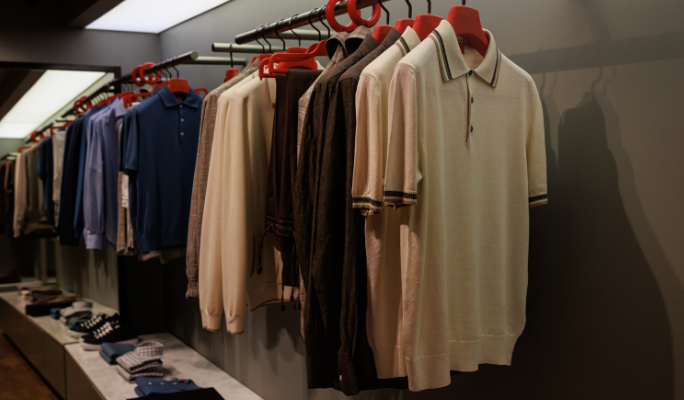
Investment Pieces: The 5 Structural Garments Every Professional Wardrobe Requires

Decoding the Dress Code: A Modern Guide to ‘Smart Casual’ for the Hybrid Workplace
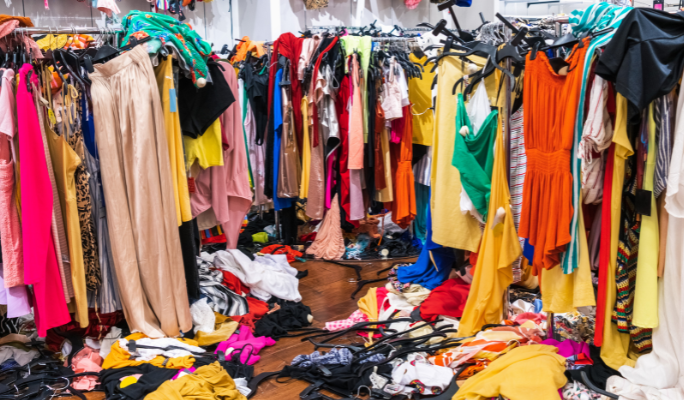
The Death of Fast Fashion: Why ‘Cost Per Wear’ is the Only Metric That Matters
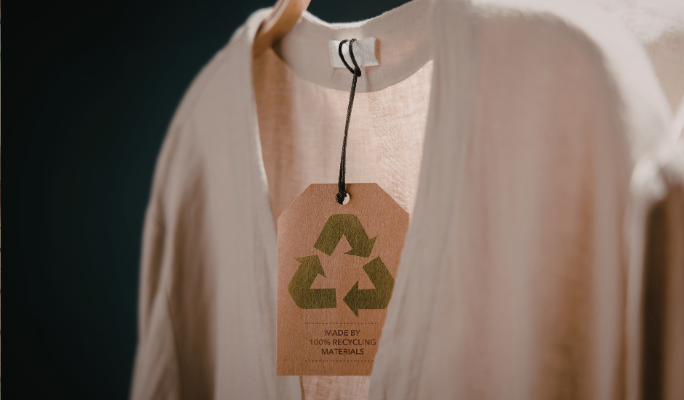
Sustainable Fashion: How to Identify ‘Greenwashing’ When Purchasing Apparel
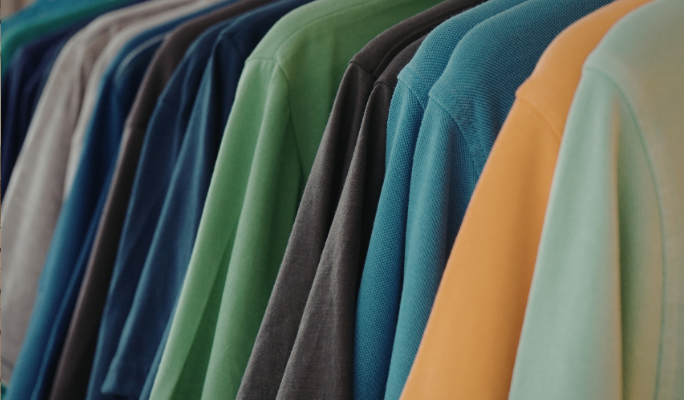
Dopamine Dressing: The Psychological Impact of Color on Daily Productivity