
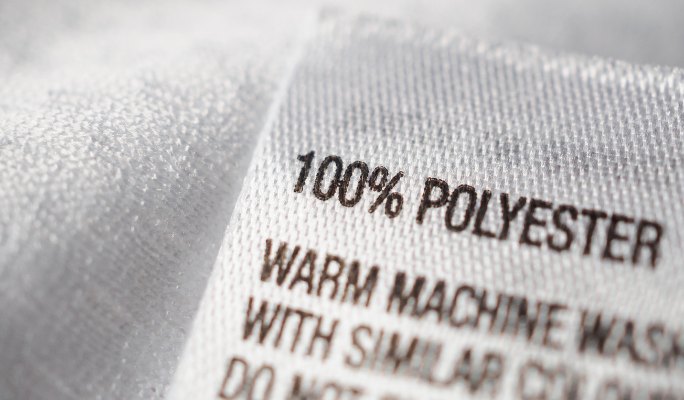
When consumers evaluate a new garment, the decision-making process is almost exclusively driven by aesthetics: the silhouette, the color, and the retail price. Rarely does the average shopper inspect the tiny white tag sewn inside the side seam to identify the chemical composition of the fabric.
However, dermatologists and textile scientists argue that this small tag is the most critical component of the entire garment.
The human skin is the body’s largest organ. It is highly porous, constantly absorbing environmental elements and regulating core body temperature through sweat production. When individuals drape this sensitive organ in cheaply manufactured, petroleum-based synthetic fibers for 16 hours a day, the biological consequences extend far beyond simple discomfort.
In this comprehensive dermatological and textile analysis, the Folime Fashion Team explores the hidden, toxic science of synthetic fabrics, explaining exactly how materials like polyester actively disrupt the human microbiome, and identifying the healthiest natural alternatives required to build a biologically safe wardrobe.
The Chemistry of Synthetics: What Exactly is Polyester?
To understand the damage caused by modern fast fashion, one must first understand how the materials are engineered.
Polyester is the most widely used fiber in the global apparel industry, accounting for nearly 60% of all clothing manufactured today. Despite its soft texture, polyester is not a natural agricultural product; it is a synthetic polymer. In clinical terms, polyester is essentially the exact same chemical plastic used to manufacture disposable water bottles (polyethylene terephthalate, or PET).
Creating this fabric requires a highly toxic manufacturing process. Raw petroleum is extracted from the earth, subjected to extreme heat, and treated with an array of harsh chemicals—including antimony, formaldehyde, and various heavy metals—to spin the liquid plastic into a woven thread.
The Biological Impact on the Human Body
When an individual wears a polyester blouse, acrylic sweater, or nylon activewear, they are effectively wrapping their body in a layer of non-porous plastic. This creates three severe biological disruptions:
1. The Disruption of Thermoregulation (The «Greenhouse» Effect)
Human skin relies on the evaporation of sweat to cool the body. Natural fibers naturally absorb moisture and pull it away from the skin. Polyester, being a plastic, is entirely hydrophobic (water-repellent).
Instead of absorbing sweat, the synthetic fabric traps the moisture directly against the skin, creating a micro-greenhouse effect. The body’s core temperature artificially rises, causing the individual to sweat profusely. This inability to naturally thermoregulate leads to severe physical discomfort, fatigue, and increased anxiety levels in high-stress corporate environments.
2. The Destruction of the Skin Microbiome (Body Odor)
It is a common misconception that human sweat inherently smells bad. Fresh sweat is virtually odorless. Body odor only occurs when the bacteria naturally living on the surface of the skin break down the sweat molecules.
Because polyester traps moisture and body heat, it creates the ultimate dark, damp breeding ground for Micrococci—the specific strain of bacteria responsible for the most pungent body odors. Furthermore, synthetic fibers absorb and lock onto oil molecules produced by the skin. This is why a polyester gym shirt will often retain a permanent, foul odor even after undergoing multiple rigorous cycles in a washing machine.
3. Contact Dermatitis and Endocrine Disruption
The chemical dyes, formaldehyde resins (used to make clothing «wrinkle-free»), and flame retardants embedded in synthetic clothing do not remain locked inside the fabric. As the body sweats and the pores open, these microscopic chemicals leach out of the garment and are absorbed directly through the skin barrier.
For individuals with sensitive skin, this chemical transfer frequently triggers severe contact dermatitis, eczema flare-ups, and unexplained chronic rashes. More alarmingly, recent endocrinology studies suggest that prolonged, daily exposure to the specific plasticizers (like BPA) found in synthetic activewear can act as endocrine disruptors, subtly interfering with the body’s natural hormone production over time.
The Antidote: Transitioning to Biocompatible Textiles
To protect the skin barrier and ensure optimal biological comfort, consumers must aggressively transition their wardrobes toward biocompatible, natural textiles. When auditing a closet or shopping for new garments, the following materials should be highly prioritized:
The Cellulose Fibers (Plant-Based)
- 100% Organic Cotton: The undisputed king of breathability. Cotton allows air to circulate freely around the skin, naturally wicking away moisture. Consumers should prioritize «organic» cotton to ensure the fabric is free from the toxic pesticides used in conventional farming.
- Linen: Woven from the flax plant, linen is structurally highly porous. It dries much faster than cotton and possesses a stiff, natural drape that prevents it from clinging to sweaty skin, making it the ultimate biological choice for high-heat environments.
The Protein Fibers (Animal-Based)
- Merino Wool: Often misunderstood as a winter-only fabric, high-micron merino wool is a biological marvel. It is actively thermoregulating (keeping the body warm in winter and cool in summer) and possesses incredible antimicrobial properties. The keratin in the wool naturally destroys odor-causing bacteria, allowing the garment to be worn multiple times between washes without smelling.
- Silk: Woven by silkworms, true silk is highly hypoallergenic. Because its protein structure closely mimics human skin, it provides zero friction, making it the premier textile for individuals suffering from severe eczema, psoriasis, or sensory processing sensitivities.
Frequently Asked Questions (FAQ)
Are «blended» fabrics (e.g., 60% cotton, 40% polyester) safe to wear?
Blended fabrics are certainly a biological upgrade from 100% synthetic garments, but they still compromise the breathability of the natural fiber. A small percentage of synthetic fiber (such as 2% to 5% Elastane or Spandex) is often necessary in modern clothing to provide stretch and shape retention, particularly in denim and activewear. However, anything exceeding 10% synthetic composition will begin to trap significant heat and moisture against the skin.
Is Bamboo fabric (Viscose/Rayon) considered a natural material?
This is a highly debated topic within the textile industry. While the raw source material is a natural bamboo plant, the intense chemical process required to turn hard bamboo wood into a soft, wearable fabric (creating Viscose or Rayon) involves highly toxic solvents. Therefore, while it feels softer and breathes slightly better than polyester, it is technically classified as a «semi-synthetic» fiber, not a pure natural textile.
💡 A Fashion Tip from the Folime Team:
«To execute a rapid, tactile audit of clothing quality while shopping in a physical retail store, utilize the ‘Squeeze and Release’ test. Take a handful of the garment’s fabric, squeeze it tightly in a fist for five seconds, and then release it. If the fabric immediately springs back to its original shape with zero creasing, it is almost certainly a plastic-based synthetic. If the fabric retains a network of sharp, highly visible wrinkles, it indicates a high concentration of natural, breathable fibers like cotton or linen. Natural fibers inherently crease; embracing those wrinkles is the sartorial trade-off for superior biological health.»
Disclaimer: The dermatological and textile information provided in this article by the Folime team is for educational and wellness purposes only. It is not intended to serve as professional medical advice. Individuals experiencing chronic skin rashes, severe eczema, unexplained hives, or suspected chemical allergies should consult a board-certified dermatologist or an allergist for proper clinical diagnosis and treatment.
latest posts published

Footwear Biomechanics: Why ‘Barefoot’ Shoes Are Dominating Modern Streetwear

The Vintage Revival: How to Source and Authenticate High-End Secondhand Fashion
Proportion Play: The Geometric Rules of Styling Oversized Garments Correctly
The Science of Fabric: Why Polyester is Damaging the Skin (And Healthier Alternatives)

Investment Pieces: The 5 Structural Garments Every Professional Wardrobe Requires

Decoding the Dress Code: A Modern Guide to ‘Smart Casual’ for the Hybrid Workplace
The Death of Fast Fashion: Why ‘Cost Per Wear’ is the Only Metric That Matters
Sustainable Fashion: How to Identify ‘Greenwashing’ When Purchasing Apparel
Dopamine Dressing: The Psychological Impact of Color on Daily Productivity