
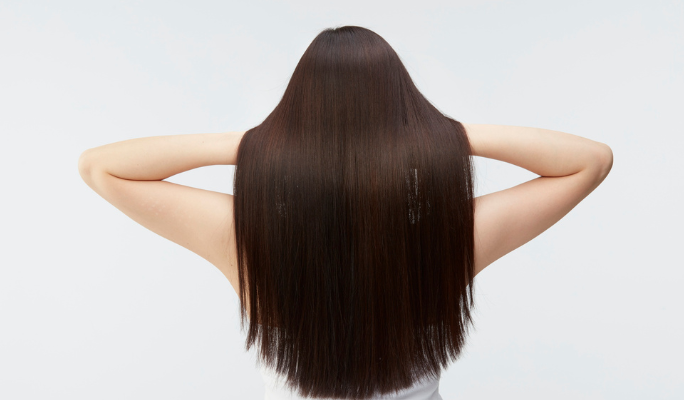
You buy the expensive shampoos, you apply the deeply hydrating masks, and you strictly avoid dyeing your hair. Yet, every time you look in the mirror, your hair looks dull, dry, and plagued by an uncontrollable halo of frizz.
Why is it so difficult to maintain healthy, shiny hair? The answer usually has very little to do with the products you are buying, and everything to do with your daily physical habits.
Hair is incredibly fragile, especially when it is wet. The physical friction and heat we expose our hair to on a daily basis slowly chip away at the protective outer layer of the hair shaft (the cuticle). Once that cuticle is broken, moisture escapes, leaving the hair brittle and prone to snapping.
If you are dreaming of long, glossy, «salon-fresh» hair, the Folime beauty team has identified the 5 worst daily mistakes you are making—and exactly how to fix them today.
1. You Are Brushing It While Soaking Wet
This is the most common and destructive habit. Human hair is highly elastic, but when it is completely saturated with water, it swells and becomes incredibly weak.
The Mistake: Taking a heavy plastic brush and forcefully yanking it through soaking wet hair straight out of the shower. This violently stretches the wet hair past its breaking point, causing massive amounts of snapping and split ends.
The Fix: Wait until your hair is at least 70% dry before brushing it. If you absolutely must detangle it while wet, do it in the shower while it is heavily coated in a slippery conditioner, using only a wide-toothed comb or a specialized flexible detangling brush (like a Tangle Teezer). Always start brushing gently from the very bottom ends, slowly working your way up to the roots.
2. The «Aggressive Towel Rub»
Step out of the shower, flip your head upside down, wrap a heavy cotton bath towel around your head, and aggressively rub the water out. Sound familiar?
The Mistake: Standard cotton bath towels are covered in thousands of tiny, rough loops. When you rub this rough texture against your fragile wet hair, it physically shreds the hair cuticle. This rough friction is the absolute number one cause of post-shower frizz.
The Fix: Ditch the heavy cotton towel for your head. Invest in a smooth microfiber hair turban, or use an old, clean 100% cotton t-shirt! Instead of aggressively rubbing the hair, simply wrap it in the t-shirt and gently press or squeeze the fabric to absorb the excess water.
3. Applying Heat Without a Shield
We all know that using a 200°C (400°F) flat iron or curling wand damages hair. But many people skip the most crucial protective step simply because they are in a rush in the morning.
The Mistake: Applying direct, extreme heat to bare hair literally boils the natural moisture trapped inside the hair shaft. The water turns to steam, expands, and blows microscopic holes right through the hair cuticle, creating permanent damage.
The Fix: You must use a high-quality, silicone-based Heat Protectant Spray every single time you use a hot tool. These sprays coat the hair in an invisible, microscopic thermal shield. This shield absorbs the brunt of the heat and seals the cuticle, allowing the flat iron to glide smoothly without boiling the moisture inside.
4. Over-Washing Your Scalp
There is a huge misconception that clean hair requires washing it every single day.
The Mistake: Shampoos contain surfactants (detergents) designed to strip away grease and dirt. If you wash your hair every day, you completely strip away the natural, healthy sebum (oil) produced by your scalp. Without this natural oil traveling down the hair shaft to moisturize the ends, your hair becomes chronically dry and brittle.
The Fix: Try to «train» your hair to go longer between washes. Aim for washing it only 2 to 3 times a week. On the days you don’t wash it, use a dry shampoo at the roots to absorb excess oil and give your hair volume. Folime Tip: When you do wash it, only apply shampoo directly to the scalp/roots, never to the ends! The suds will naturally clean the ends as they rinse down the drain.
5. Sleeping on Cotton Pillowcases
You spend 8 hours every night tossing, turning, and rubbing the side of your head against a pillow.
The Mistake: Standard cotton pillowcases are highly absorbent. They suck the moisture out of your hair while you sleep. Furthermore, the rough texture of the cotton catches on the individual hair strands, creating severe friction, tangles, and breakage overnight.
The Fix: Swap your cotton pillowcase for a 100% pure silk or high-quality satin pillowcase. Silk is completely smooth and non-absorbent. Your hair will effortlessly glide over the fabric as you move in your sleep, meaning you will wake up with perfectly smooth, frizz-free hair!
💡 A Hair Care Tip from the Folime Team:
Are you suffering from extreme split ends? Don’t fall for the marketing traps! No serum, oil, or expensive hair mask can permanently «glue» a split end back together once the fiber is physically torn. The only true cure for a split end is a pair of sharp scissors. Schedule a small «dusting» trim with your hairdresser every 8 to 12 weeks to cut off the dead ends before they split further up the hair shaft!
Disclaimer: The information provided in this article by Folime is for educational and cosmetic awareness purposes only. If you are experiencing sudden, severe hair loss or scalp inflammation, please consult a board-certified dermatologist or trichologist immediately.
latest posts published
Footwear Biomechanics: Why ‘Barefoot’ Shoes Are Dominating Modern Streetwear

The Vintage Revival: How to Source and Authenticate High-End Secondhand Fashion
Proportion Play: The Geometric Rules of Styling Oversized Garments Correctly
The Science of Fabric: Why Polyester is Damaging the Skin (And Healthier Alternatives)

Investment Pieces: The 5 Structural Garments Every Professional Wardrobe Requires

Decoding the Dress Code: A Modern Guide to ‘Smart Casual’ for the Hybrid Workplace
The Death of Fast Fashion: Why ‘Cost Per Wear’ is the Only Metric That Matters
Sustainable Fashion: How to Identify ‘Greenwashing’ When Purchasing Apparel
Dopamine Dressing: The Psychological Impact of Color on Daily Productivity