
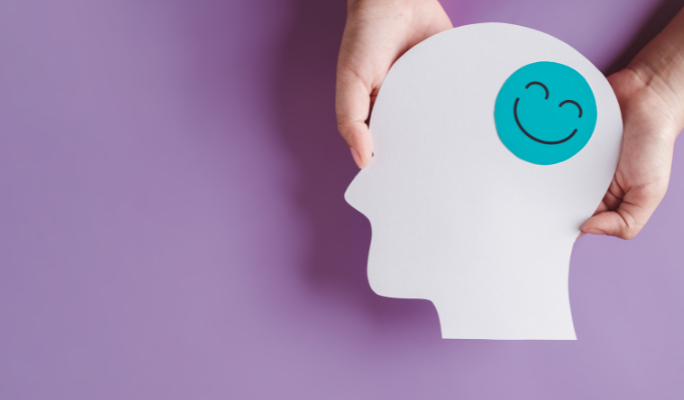
Have you ever picked up your smartphone just to check the time, only to suddenly realize you have been scrolling through short videos for 45 minutes? Or perhaps you sit down at your desk to work on an important, career-defining project, but your brain physically craves checking your email or social media notifications every three minutes.
If you are nodding your head right now, please do not feel guilty. I used to do the exact same thing. I thought my attention span was permanently broken.
The reality is that we are living in an era of weaponized overstimulation. As we navigate 2026, the digital economy is specifically engineered to hijack our natural biological drives, flooding our brains with cheap, instant rewards. The result? Our internal motivation system gets completely short-circuited, leaving us feeling chronically exhausted, unfocused, and entirely unmotivated to do hard things.
But what if you could press a «factory reset» button on your brain’s reward system? In this comprehensive, science-backed guide by the Folime Mindset Team, we are going to dive into the widely popular concept of a Dopamine Detox—exposing what it actually is, identifying the signs that your brain is overloaded, and providing a realistic 24-hour blueprint to reclaim your focus and drive.
The Biological Truth: What is a Dopamine Detox?
Before you can reset your focus, we must clear up a massive internet misconception. You cannot actually «detox» your body from dopamine.
Dopamine is not a toxic chemical; it is a crucial neurotransmitter. It is the molecule of motivation, anticipation, and craving. It is the chemical that makes you want to get out of bed in the morning, pursue a mate, or build a business.
However, human biology was designed to release dopamine slowly, in response to effort (like hunting for food or building a shelter). Modern life, on the other hand, floods our brains with unnaturally massive spikes of dopamine with zero effort (like getting hundreds of likes on a photo, eating highly processed sugar, or watching hyper-stimulating videos).
When your brain gets used to these massive, effortless spikes, your dopamine receptors become desensitized. Suddenly, normal, healthy activities—like reading a book, going for a walk, or doing deep work—feel agonizingly boring.
A «Dopamine Detox» (originally coined by Dr. Cameron Sepah as Dopamine Fasting) is actually a Cognitive Behavioral Therapy (CBT) technique. It involves temporarily restricting highly stimulating, addictive behaviors so your brain’s dopamine receptors can heal, downregulate, and return to their normal baseline. Once reset, doing hard work actually feels rewarding again.
3 Major Signs Your Reward System is Hijacked
Not sure if your focus is genuinely broken or if you are just tired? Here are the three biggest red flags that your baseline dopamine levels are dangerously out of balance:
1. The «Second Screen» Syndrome
You can no longer consume just one piece of media at a time. If you are watching a movie or a television show, you feel a compulsive need to have a «second screen» (your smartphone) in your hand, scrolling through social media or playing a game simultaneously because the movie alone is not stimulating enough.
2. Morning Tech Dependency
The very first action you take when you open your eyes—before your feet even touch the floor—is reaching for your phone. You immediately check your messages, the news, or your social feeds, injecting your brain with high-stress or high-reward stimuli before you are even fully awake.
3. The Boredom Panic
You find it physically uncomfortable to sit in silence. If you have to wait in line at the grocery store for two minutes, or sit in a waiting room, you immediately reach for your phone to numb the silence. You have lost the ability to simply let your mind wander.
How to Execute a Realistic 24-Hour Dopamine Fast
You do not need to move to a cabin in the woods for a month to fix your brain. A structured, intentional 24-hour reset (usually done on a Saturday or Sunday) is enough to break the immediate cycle of addiction. Here is your step-by-step action plan:
Step 1: Define Your «Unplug» List (The Triggers)
For 24 hours, you must strictly avoid the specific behaviors that give you instant, cheap gratification. This is not a fast from all joy; it is a fast from effortless joy. For the average person, this restriction list must include:
- No social media (TikTok, Instagram, X, Reddit, etc.)
- No internet browsing or YouTube rabbit holes.
- No video games or Netflix binge-watching.
- No highly processed junk food or sugary drinks.
- No online shopping.
Step 2: Plan Your «Analog» Menu (The Replacements)
If you simply sit on your couch staring at a blank wall for 24 hours, you will fail. You need to replace the highly stimulating habits with low-dopamine, grounding activities. Your allowed list for the day should include:
- Going for a long walk in nature (without headphones or music).
- Reading a physical book.
- Journaling your thoughts, goals, and frustrations.
- Cooking a healthy meal from scratch using whole ingredients.
- Engaging in deep, face-to-face conversations with friends or family.
- Organizing your physical environment (cleaning your room or desk).
Step 3: Embrace the Withdrawal (The Healing Phase)
Around hour three or four, your brain will start screaming for a distraction. You will feel restless, agitated, and profoundly bored. Do not give in; this means the cure is working.
Embrace the boredom. In the modern world, we treat boredom like a disease, but neurologically, boredom is the exact space where human creativity, problem-solving, and deep thinking are born. When you force your brain to sit through the discomfort of being under-stimulated, your dopamine receptors begin to recalibrate.
Frequently Asked Questions (FAQ)
Can I still use my phone for emergencies during a detox?
Absolutely. A dopamine fast is not about cutting off vital communication or punishing yourself. It is about cutting out cheap entertainment. You should keep your phone on ring for important calls from family, and you can use it for navigation (GPS) if needed. The trick is to delete your social media and entertainment apps for the day to completely remove the visual temptation to scroll.
Will I see results after just one day?
Yes. While a 24-hour fast will not magically cure a lifelong behavioral addiction, the immediate contrast is shocking. You will wake up the following morning feeling a profound sense of mental clarity. The colors outside might seem brighter, your baseline anxiety will drop, and your ability to sit down and focus on a single work task will dramatically improve.
💡 A Mindset Tip from the Folime Team:
«To maintain your regained focus long after your 24-hour detox is over, implement the ‘Phone-Free Morning’ rule. Commit to not looking at any screens for the first 60 minutes after you wake up. Use this golden hour to hydrate, stretch, journal, or plan your day. This single daily habit prevents your brain from seeking cheap dopamine spikes right out of the gate, setting a calm, focused baseline for the rest of your entire day.»
Disclaimer: The information provided in this article by the Folime team is for educational and self-improvement purposes only. It is not intended to be a substitute for professional medical advice, diagnosis, or treatment. If you are experiencing severe depression, chronic ADHD, or deeply rooted behavioral addictions that are destroying your quality of life, please consult a licensed therapist, psychiatrist, or healthcare provider.
latest posts published

Footwear Biomechanics: Why ‘Barefoot’ Shoes Are Dominating Modern Streetwear

The Vintage Revival: How to Source and Authenticate High-End Secondhand Fashion
Proportion Play: The Geometric Rules of Styling Oversized Garments Correctly
The Science of Fabric: Why Polyester is Damaging the Skin (And Healthier Alternatives)

Investment Pieces: The 5 Structural Garments Every Professional Wardrobe Requires

Decoding the Dress Code: A Modern Guide to ‘Smart Casual’ for the Hybrid Workplace

The Death of Fast Fashion: Why ‘Cost Per Wear’ is the Only Metric That Matters
Sustainable Fashion: How to Identify ‘Greenwashing’ When Purchasing Apparel

Dopamine Dressing: The Psychological Impact of Color on Daily Productivity