
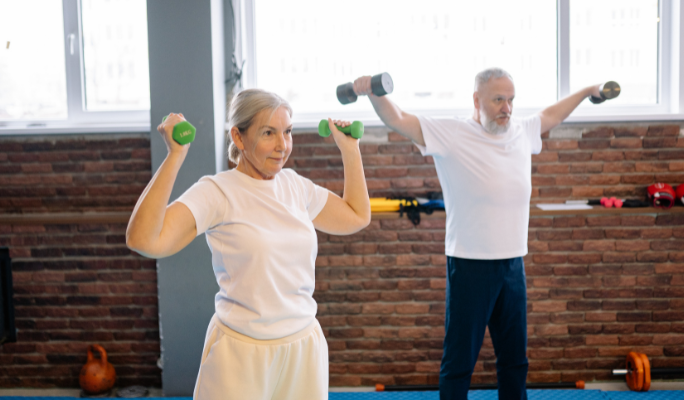
When evaluating overall health and predicting life expectancy, the modern medical community traditionally relies on well-known metrics: blood pressure, cholesterol levels, resting heart rate, and Body Mass Index (BMI). While these measurements remain essential, longevity researchers and clinical physiologists are increasingly shifting their focus toward a much simpler, yet astonishingly accurate biological marker.
An inability to firmly shake a hand or the struggle to twist the lid off a new jar of food is often dismissed as a harmless, natural side effect of getting older. However, clinical science views this very differently. A weakening physical grip is now recognized as a glaring internal alarm system.
In this comprehensive physiological breakdown, the Folime Fitness Team explores the fascinating clinical science behind why Grip Strength is considered the single most accurate predictor of biological age, all-cause mortality, and overall human vitality. Furthermore, this guide provides the exact functional training protocols required to build a resilient, injury-proof body.
The Biology: Why the Hands Reveal the Health of the Heart
To be perfectly clear, possessing strong hands does not magically cure disease. Squeezing a stress ball while sitting on a couch will not prevent a cardiovascular event.
Instead, in clinical medicine, grip strength is recognized as an Indispensable Proxy Biomarker. A proxy biomarker is an external, easily measurable physical trait that accurately reflects the invisible, internal health of the entire biological system. But why do the hands reveal so much about the heart and the brain?
1. The Central Nervous System (CNS) Connection
Grip strength acts as an incredibly accurate, real-time monitor of the Central Nervous System. The act of tightly gripping a heavy object requires a massive, instantaneous electrical signal to travel from the brain, down the spinal cord, and into the extremities to recruit thousands of fast-twitch muscle fibers simultaneously.
If grip strength is unusually weak for an individual’s age bracket, it indicates that the central nervous system is degraded, chronically fatigued, or neurologically aging faster than it should. A robust, highly responsive nervous system is biologically mandatory for surviving illnesses, recovering from physical trauma, and maintaining cognitive sharpness into old age.
2. The Indicator of Systemic Sarcopenia
Sarcopenia is the medical term for the age-related loss of skeletal muscle mass, strength, and function. It is one of the leading causes of physical frailty, catastrophic falls, and the loss of independent living in older adults.
Because the muscles of the forearm and hand are utilized in almost every daily human action, they serve as the «canary in the coal mine» for systemic muscle loss. If grip strength is rapidly declining, clinical data guarantees that the critical muscle mass supporting the spine, hips, and cardiovascular system is also wasting away. Skeletal muscle is widely considered the organ of longevity; it actively regulates blood glucose levels and protects the skeletal structure. When muscle is lost, the biological aging clock rapidly accelerates.
The Clinical Evidence: The PURE Study
The assertion that hand strength predicts lifespan is not a fitness industry theory; it is backed by some of the most rigorous epidemiological data in modern medicine.
The most definitive proof comes from the PURE (Prospective Urban Rural Epidemiology) study, which was published in The Lancet, one of the world’s most prestigious and highly vetted medical journals.
Researchers tracked nearly 140,000 adults across 17 different countries over a period of four years. They utilized a simple clinical device known as a dynamometer to test the maximum grip strength of the participants. The results fundamentally altered the medical perspective on aging:
- For every 11-pound (5 kg) decrease in grip strength, researchers noted a 16% increased risk of death from any cause.
- That exact same 11-pound drop was linked to a 17% greater risk of cardiovascular death, and a 7% increased risk of suffering a major heart attack.
- Most surprisingly, the clinical researchers concluded that grip strength was a more accurate and reliable predictor of cardiovascular mortality than measuring an individual’s systolic blood pressure.
In a very literal physiological sense, the hands tell the exact story of the heart.
3 Functional Protocols to Build Life-Saving Grip Strength
Improving this biomarker requires more than isolating the hands; it requires integrating the grip into functional, full-body movements. Grip strength is highly responsive to progressive resistance training. Below are the three most effective, science-backed exercises to integrate into a weekly fitness routine.
1. The Dead Hang (The Ultimate Baseline Test)
The dead hang is the purest expression of raw grip strength, while simultaneously acting as a highly effective stretch for shoulder mobility and spinal decompression. It serves as an excellent diagnostic tool for current biological age.
- Execution: Utilize a standard pull-up bar. Jump up, grasp the bar with a firm overhand grip, and hang with the arms fully extended and the feet entirely off the ground. The core should remain slightly engaged to prevent excessive swinging.
- Clinical Benchmarks: For a healthy adult male, the baseline goal is to hang continuously for 60 seconds. For a healthy adult female, the benchmark is 30 to 40 seconds. If an individual can only hold on for 10 seconds before the hands painfully force themselves open, grip strength requires immediate, targeted intervention.
2. The Farmer’s Walk (Full-Body Integration)
There is virtually no exercise that translates more directly to human longevity and real-world physical capability than the Farmer’s Walk.
- Execution: Pick up a heavy kettlebell or dumbbell in each hand. Stand perfectly upright, pull the shoulders back to create a proud chest, tightly brace the abdominal muscles, and walk in a straight, controlled line for 50 to 100 feet. Set the weights down safely, rest, and repeat.
- Physiological Benefit: The Farmer’s Walk does not merely exhaust the forearms; it forces the entire core musculature to stabilize the spine against moving, shifting gravity. This replicates the exact movement pattern required to carry heavy groceries, luggage, or children, ensuring total physical independence as the body ages.
3. Eliminating the Reliance on Lifting Straps
In modern commercial gyms, it is highly common to see gym-goers using lifting straps (nylon bands that wrap around the barbell and the wrist) when performing pulling movements like deadlifts, rows, or lat pull-downs.
- Execution: While straps are mechanically useful for elite powerlifters lifting extreme maximal loads, the average individual seeking longevity should avoid them. If the back muscles can pull 150 pounds, but the hands can only grip 90 pounds, artificially strapping the hands to the bar bypasses a critical weakness. Allowing the hands to naturally adapt, develop calluses, and build the requisite neurological strength ensures the body grows uniformly and safely.
Frequently Asked Questions (FAQ)
Can an individual improve their lifespan just by using a spring-loaded hand gripper at their desk?
Using a spring-loaded hand gripper is beneficial for localized forearm strength, but it does not directly increase lifespan. Because grip strength is a proxy biomarker, artificially inflating hand strength without improving the rest of the body defeats the purpose. True longevity requires systemic, full-body resistance training. The grip must be strengthened by lifting heavy objects that simultaneously challenge the heart, lungs, and skeletal structure.
Is there a verified link between grip strength and cognitive decline?
Yes. Recent neurological studies have uncovered a powerful correlation between grip strength and brain health. Because gripping requires such intense, rapid neurological signaling, a rapidly weakening grip is often utilized by neurologists as one of the earliest physical biomarkers of declining brain volume, signaling an increased risk for cognitive disorders and Alzheimer’s disease.
💡 A Fitness Tip from the Folime Team:
«To seamlessly integrate grip training into daily life without requiring a gym membership, individuals should implement the ‘One-Trip Grocery Rule’. When purchasing daily supplies, avoid using a rolling shopping cart. Instead, utilize two handheld baskets. Fill them and carry them throughout the store, and subsequently carry all grocery bags from the vehicle to the kitchen in a single, heavy trip. By transforming a mundane daily chore into a functional Farmer’s Walk, individuals can passively build life-saving grip strength and cardiovascular endurance.»
Disclaimer: The physiological and biomechanical information provided in this article by the Folime team is for educational and longevity-focused purposes only. It is not intended to diagnose, treat, or cure any medical condition. If sharp, shooting nerve pain occurs in the wrists, elbows, or shoulders while attempting these exercises, or if there is a known history of cardiovascular disease, please consult a certified physician or physical therapist prior to beginning any resistance training program.
latest posts published
Footwear Biomechanics: Why ‘Barefoot’ Shoes Are Dominating Modern Streetwear

The Vintage Revival: How to Source and Authenticate High-End Secondhand Fashion
Proportion Play: The Geometric Rules of Styling Oversized Garments Correctly
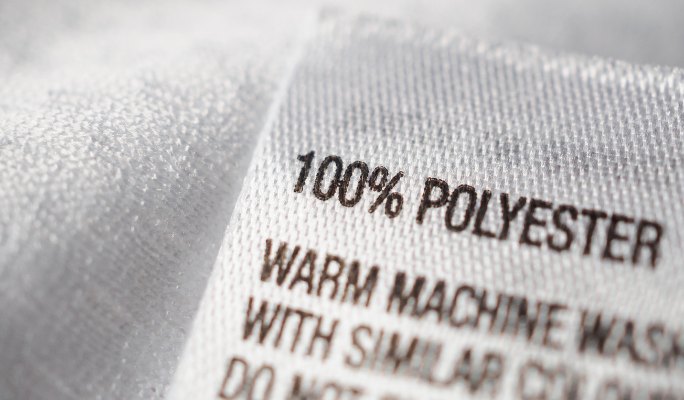
The Science of Fabric: Why Polyester is Damaging the Skin (And Healthier Alternatives)

Investment Pieces: The 5 Structural Garments Every Professional Wardrobe Requires

Decoding the Dress Code: A Modern Guide to ‘Smart Casual’ for the Hybrid Workplace

The Death of Fast Fashion: Why ‘Cost Per Wear’ is the Only Metric That Matters
Sustainable Fashion: How to Identify ‘Greenwashing’ When Purchasing Apparel
Dopamine Dressing: The Psychological Impact of Color on Daily Productivity