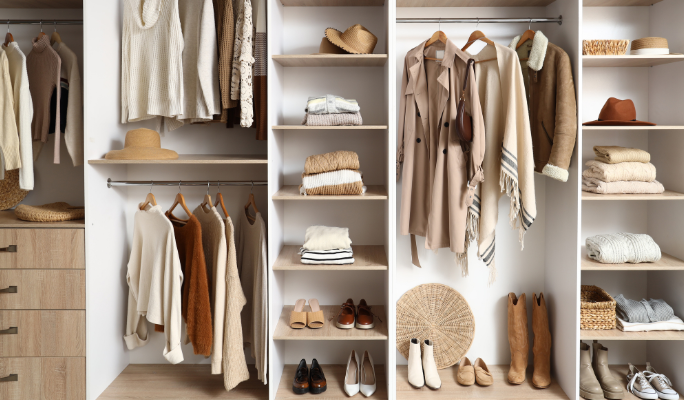

You have spent hours perfecting your CV, you survived the initial phone screening, and now you have finally landed the in-person job interview. Congratulations! But as the interview day approaches, a massive wave of anxiety hits you when you look into your closet: «What on earth am I supposed to wear?»
Twenty years ago, the answer was easy. Regardless of the job, you wore a stiff, dark-colored, three-piece business suit. Today, the corporate landscape has completely transformed. With the rise of tech startups, flexible working hours, and remote environments, corporate dress codes have become incredibly confusing.
If you show up to a modern creative agency wearing a formal tuxedo, you will look completely out of touch with their company culture. If you show up in ripped jeans, you look disrespectful. So, where is the middle ground? Here is the Folime style guide on how to master the modern «Smart Casual» dress code and dress for interview success.
Rule 1: Research the Company Culture First
The ultimate secret to interview styling is mirroring the company’s internal culture, but elevating it by 10%.
Before you pick an outfit, you must do your research. Look at the company’s «About Us» page on their website, check their Instagram, or search for their employees on LinkedIn. How are they dressed in their office photos?
- The Corporate Office (Law, Finance, Banking): If they are wearing ties and formal dresses in their photos, you absolutely must wear a traditional, well-tailored business suit in navy, black, or charcoal gray.
- The Modern Startup/Agency (Tech, Marketing, Design): If they are wearing t-shirts and jeans in their photos, a formal suit will make you look rigid. This is where you must deploy the «Smart Casual» strategy.
What Exactly is «Smart Casual»?
Smart casual is the sweet spot between a formal suit and your weekend clothes. It shows that you respect the formality of the interview, but you also understand modern aesthetics.
The Perfect Smart Casual Formula for Men:
- The Base: Ditch the stiff collar and tie. Instead, wear a high-quality, perfectly ironed, solid-colored t-shirt (white or navy) or a fine-knit merino wool crewneck sweater.
- The Trousers: Do not wear standard blue jeans. Opt for well-tailored Chinos or structured dark denim (strictly no rips, fading, or distressing).
- The Jacket: This is the anchor of the outfit. Add a well-fitted blazer or a smart, unstructured sports coat over the t-shirt. This instantly elevates the look from «weekend» to «business.»
- The Shoes: Skip the formal, shiny dress shoes and the gym sneakers. Choose a clean, minimalist leather sneaker (like a plain white tennis shoe) or a classic suede loafer.
The Perfect Smart Casual Formula for Women:
- The Base: A silk blouse, a high-quality cotton mock-neck shirt, or a fine-knit turtleneck. Avoid anything with a plunging neckline, loud neon prints, or massive brand logos.
- The Bottoms: Tailored, wide-leg trousers are incredibly modern and powerful. Alternatively, a pleated midi skirt or dark, structured straight-leg jeans work perfectly.
- The Jacket: The oversized, structured blazer is the ultimate modern power piece. Throwing a slightly oversized neutral blazer (camel, beige, or black) over a simple outfit screams competence and style.
- The Shoes: A comfortable leather block heel, a sleek ankle boot, or a sophisticated leather loafer. (If you cannot walk confidently in stilettos, do not wear them to an interview!).
Rule 2: Grooming is Just as Important as the Clothes
You could be wearing the most expensive outfit in the world, but if your personal grooming is chaotic, it will ruin your professional presentation.
- Iron Everything: Wrinkles communicate laziness. Ensure every piece of clothing is meticulously steamed or ironed before you leave the house.
- Mind the Fragrance: Never wear heavy perfume or strong cologne to a job interview. You do not know if your interviewer has allergies or is sensitive to smells in a small, closed meeting room. Stick to deodorant and a clean shower.
- Clean Your Shoes: People instinctively look at shoes. Make sure your leather is polished and the white rubber soles of your sneakers are scrubbed clean.
Rule 3: The Psychology of Color
The colors you choose to wear actually trigger subconscious psychological reactions in the interviewer’s brain. Use this to your advantage!
- Blue: The absolute best color to wear to an interview. Navy blue subconsciously communicates trust, loyalty, and calm confidence.
- Gray: Communicates logical thinking, analytical skills, and professionalism.
- Black: Extremely powerful, but can sometimes come across as overly dominant or severe. Use it for high-level management roles.
- Red: Avoid wearing red as a primary color (like a full red suit or dress). Red is aggressive, dominant, and signals conflict—not exactly the «team player» vibe you want to project on day one.
💡 A Career Tip from the Folime Team:
The most important part of your outfit is your physical comfort! If your trousers are too tight or your shirt keeps un-tucking, you will spend the entire interview fidgeting and adjusting your clothes. This nervous body language makes you look insecure. Before the interview, put on your entire outfit at home and sit down in a chair for 10 minutes to ensure you feel 100% physically comfortable.
(Once you have the job secured, check out our guide on [How to Write the Perfect CV to Change Jobs] to keep climbing the corporate ladder!)
Disclaimer: The information provided in this article by Folime is for educational and career-guidance purposes only. Dress codes vary drastically by geographic region and specific industry. Always lean toward dressing slightly more formally if you are unsure of the company’s specific culture.
latest posts published

Footwear Biomechanics: Why ‘Barefoot’ Shoes Are Dominating Modern Streetwear
The Vintage Revival: How to Source and Authenticate High-End Secondhand Fashion
Proportion Play: The Geometric Rules of Styling Oversized Garments Correctly
The Science of Fabric: Why Polyester is Damaging the Skin (And Healthier Alternatives)
Investment Pieces: The 5 Structural Garments Every Professional Wardrobe Requires
Decoding the Dress Code: A Modern Guide to ‘Smart Casual’ for the Hybrid Workplace
The Death of Fast Fashion: Why ‘Cost Per Wear’ is the Only Metric That Matters
Sustainable Fashion: How to Identify ‘Greenwashing’ When Purchasing Apparel
Dopamine Dressing: The Psychological Impact of Color on Daily Productivity