
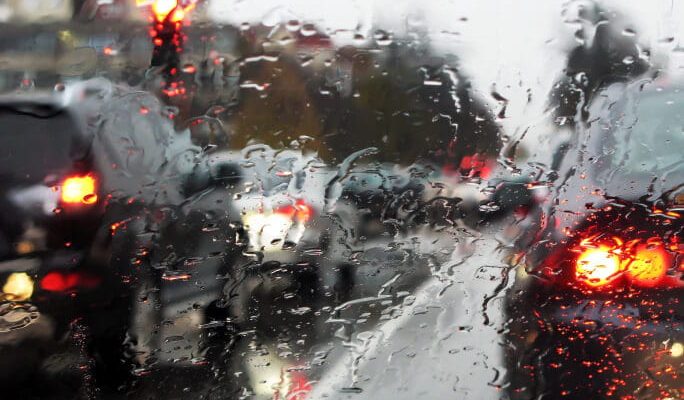
On days when the rain doesn’t stop and the ground gets heavily saturated, driving can quickly become a stressful and dangerous task. The risk of skidding, aquaplaning, and losing control of your vehicle skyrockets.
However, many drivers do not realize that the danger level is not consistent throughout a rainstorm. Let’s answer a critical question that every motorist must know: When is the absolute most dangerous time to drive during a rainy day?
The answer might surprise you: The moment it first starts to rain.
The scientific reason for this is simple. During dry periods, cars constantly leave microscopic residues on the asphalt, including worn tire rubber particles, engine oil, and exhaust grease. When the very first drops of rain hit the road, the water mixes with these hardened, baked-on oils. This creates a thin, incredibly slick, soap-like film on the surface of the asphalt.
During these first 10 to 15 minutes of a shower, the road conditions are at their most slippery and treacherous. Conversely, when it has been raining heavily for a long time, this oily coating is eventually washed away, leaving the road wet, but actually providing better grip than when the storm began.
Knowing how wet roads affect your car’s handling will help you drive safely. Staying out of the ditch is simple if you make a conscious effort to practice these 9 expert tips:
1. Check Your Equipment Before You Drive
Do not wait until you are on the highway to realize your wipers are broken. Before you start the engine, verify that your headlights, taillights, and windshield wipers are working efficiently. Most importantly, check the tread depth of your tires. Bald or «slick» tires cannot channel water away from the rubber, drastically reducing your traction on wet roads.
2. Slow Down (Obey the Conditions, Not Just the Limit)
When driving in heavy rain, you should not aim to hit the posted speed limit. You must drive much slower than normal. Because water creates a barrier between your tires and the road, your car’s physical reaction time to braking and steering is significantly slower. Reducing your speed is the absolute best way to prevent an accident.
3. Turn on Your Low-Beam Headlights
Even if it is just a light afternoon drizzle, turning on your vehicle’s headlights is mandatory. This is not necessarily to help you see better, but rather to drastically increase the ability of other drivers to see your car through the spray of water kicked up by highway traffic. (Note: Use low-beams, as high-beams will reflect off the rain and blind you).
4. Adjust Your Windshield Wipers
While this may seem like common sense, some people wait too long to turn on their wipers when the rain is light. Do not let water accumulate on your glass. Adjust the wiper speed to match the rainfall. Consider applying a commercial window water-repellent spray to your windshield; these products cause water droplets to bead up and roll off aerodynamically.
5. Double Your Safe Following Distance
Because your tires have less grip, it takes much longer to bring your heavy car to a complete stop when it rains. Therefore, you must increase the distance between your vehicle and the car in front of you. Aim for a minimum following distance of 4 to 5 seconds.
6. Avoid Sudden Braking and Disable Cruise Control
Never use Cruise Control when it is raining! If your car begins to hydroplane while cruise control is engaged, the system will actually accelerate to maintain speed, making the skid much worse. Try to slow the car down naturally by taking your foot off the accelerator earlier than usual, preparing to stop without having to slam on the brake pedal.
7. Be Highly Cautious of Standing Water
Driving through deep puddles can cause aquaplaning (hydroplaning), a terrifying phenomenon where your tires completely lose contact with the road and ride on top of a layer of water. To avoid this, watch the road far ahead. Whenever possible, safely change lanes to avoid areas where large amounts of water have visibly accumulated.
8. What to Do If You Hydroplane
Hydroplaning is one of the most common causes of wet-weather crashes because drivers panic. If your steering wheel suddenly feels «light» and the car begins to slide, do not slam on the brakes and do not jerk the steering wheel. Calmly take your foot completely off the accelerator. Keep the steering wheel pointed in the direction you want the front of the car to go, and wait for the tires to naturally reconnect with the asphalt as the car slows down.
9. Defog Your Windows Properly
Rain drastically increases the humidity level inside your cabin, causing your windows to fog up and destroy your visibility. To clear the glass quickly, turn on your car’s Air Conditioning (A/C) and set the temperature to warm. The A/C system acts as a dehumidifier, pulling the moisture out of the air before blowing the warm air against the cold windshield. If you lose visibility completely, put on your hazard lights and safely pull over until the glass clears.
💡 A Safety Tip from the Folime Team:
Even the best drivers can fall victim to unpredictable weather. If you find yourself sliding off the road or immobilized in a flooded street, do not attempt to push your car out yourself. Ensure your auto insurance policy includes a robust Roadside Assistance package (Assistência em Viagem). Knowing you can instantly call a tow truck to your exact GPS location provides invaluable peace of mind during severe winter storms.
Disclaimer: The information provided in this article by Folime is for educational and preventative safety purposes. Always adjust your driving to the current weather and road conditions. In the event of a severe accident, prioritize human safety and call your local emergency services immediately.
latest posts published

Footwear Biomechanics: Why ‘Barefoot’ Shoes Are Dominating Modern Streetwear

The Vintage Revival: How to Source and Authenticate High-End Secondhand Fashion

Proportion Play: The Geometric Rules of Styling Oversized Garments Correctly

The Science of Fabric: Why Polyester is Damaging the Skin (And Healthier Alternatives)

Investment Pieces: The 5 Structural Garments Every Professional Wardrobe Requires

Decoding the Dress Code: A Modern Guide to ‘Smart Casual’ for the Hybrid Workplace

The Death of Fast Fashion: Why ‘Cost Per Wear’ is the Only Metric That Matters

Sustainable Fashion: How to Identify ‘Greenwashing’ When Purchasing Apparel

Dopamine Dressing: The Psychological Impact of Color on Daily Productivity